
Before Memmo my notes were scattered across PDFs. Now a workspace pulls everything into one place — I see exactly what's still left to study.
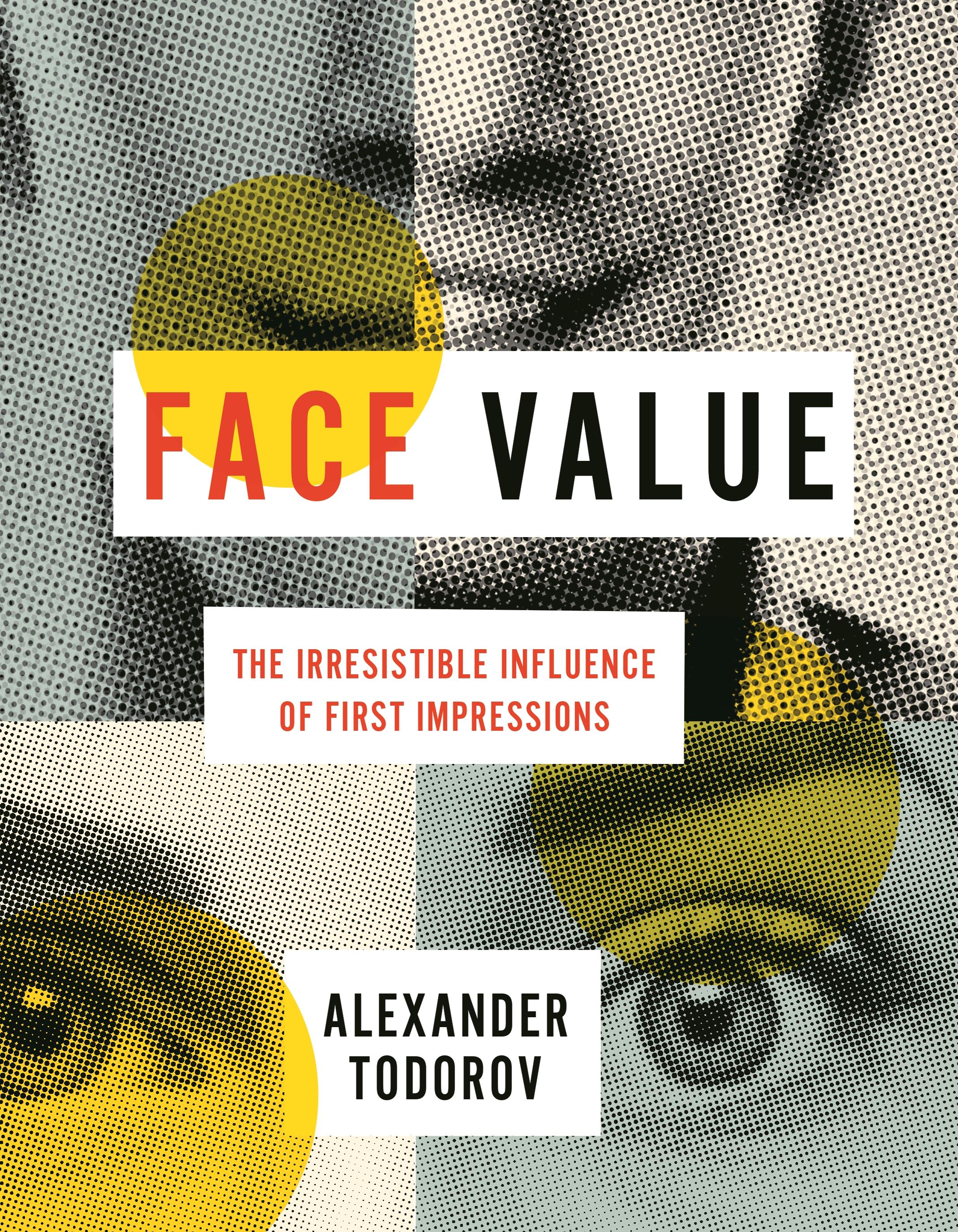
The scientific story of first impressions—and why the snap character judgments we make from faces are irresistible but usually incorrect
We make up our minds about others after seeing their faces for a fraction of a second—and these snap judgments predict all kinds of important decisions. For example, politicians who simply look more competent are more likely to win elections. Yet the character judgments we make from faces are as inaccurate as they are irresistible; in most situations, we would guess more accurately if we ignored faces. So why do we put so much stock in these widely shared impressions? What is their purpose if they are completely unreliable? In this book, Alexander Todorov, one of the world's leading researchers on the subject, answers these questions as he tells the story of the modern science of first impressions.
Drawing on psychology, cognitive science, neuroscience, computer science, and other fields, this accessible and richly illustrated book describes cutting-edge research and puts it in the context of the history of efforts to read personality from faces. Todorov describes how we have evolved the ability to read basic social signals and momentary emotional states from faces, using a network of brain regions dedicated to the processing of faces. Yet contrary to the nineteenth-century pseudoscience of physiognomy and even some of today's psychologists, faces don't provide us a map to the personalities of others. Rather, the impressions we draw from faces reveal a map of our own biases and stereotypes.
A fascinating scientific account of first impressions, Face Value explains why we pay so much attention to faces, why they lead us astray, and what our judgments actually tell us.
Before Memmo my notes were scattered across PDFs. Now a workspace pulls everything into one place — I see exactly what's still left to study.
Memmo's summaries are gold before exams. I don't have to re-read 800 pages two weeks before — just the important parts.
The AI chat has saved me the night before an exam more than once. I just keep asking until I get it — no waiting on a study group to reply.
The quizzes hit exactly what I need to know. Memmo tracks what I get stuck on — so I only practice what's worth it.
Flashcards with spaced repetition are magic. Memmo knows when I'm about to forget something and brings it back.
The AI podcasts are my favorite. I listen on my way to school and get a recap without sitting at a computer.

Handbok i kvalitativa metoder
281 kr

Hållbar utveckling: en introduktion för ingenjörer och andra problemlösare
334 kr

Brymans Samhällsvetenskapliga metoder
390 kr

Projektledning
491 kr

Den orättvisa hälsan: om socioekonomiska skillnader i hälsa och livslängd
326 kr

Vetenskapsteori för nybörjare
196 kr

Organizational Leadership
429 kr

På väg mot läraryrket
172 kr

Det sociala livet i skolan: Socialpsykologiska perspektiv
253 kr

Betygsättningens didaktik
151 kr

Personality
402 kr

Studying Leadership
404 kr

Managing Innovation
477 kr

Introduktion till samhällsvetenskaplig metod
347 kr

The Psychology of Sex and Gender
698 kr

Evidens och kunskap för socialt arbete
207 kr

Introduction to Leadership
605 kr