
Before Memmo my notes were scattered across PDFs. Now a workspace pulls everything into one place — I see exactly what's still left to study.
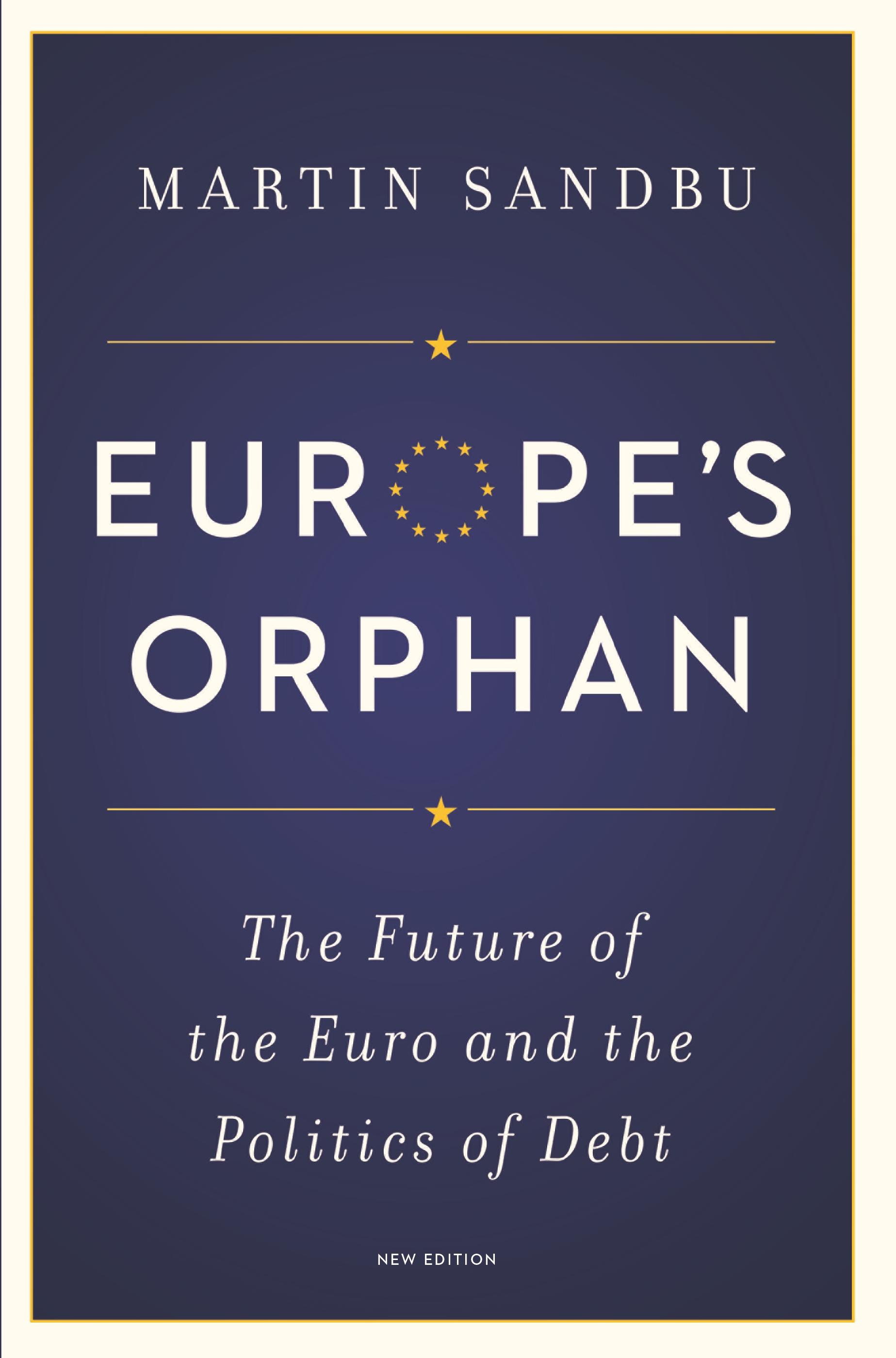
A timely account of the Euro crisis that challenges our assumptions about debt and economic recovery
Originally conceived as part of a unifying vision for Europe, the euro is now viewed as a millstone around the neck of a continent crippled by vast debts, sluggish economies, and growing populist dissent. In Europe's Orphan, leading economic commentator Martin Sandbu presents a compelling defense of the euro. He argues that rather than blaming the euro for the political and economic failures in Europe since the global financial crisis, the responsibility lies firmly on the authorities of the eurozone and its member countries. The eurozone's self-inflicted financial calamities and economic decline resulted from a toxic cocktail of unforced policy errors by bankers, politicians, and bureaucrats; the unhealthy coziness between finance and governments; and, above all, an extreme unwillingness to restructure debt.
Sandbu traces the origins of monetary union back to the desire for greater European unity after the Second World War. But the euro’s creation coincided with a credit bubble that governments chose not to rein in. Once the crisis hit, a battle of both ideas and interests led to the failure to aggressively restructure sovereign and bank debt. Ideologically informed choices set in motion dynamics that encouraged more economic mistakes and heightened political tensions within the eurozone. Sandbu concludes that the prevailing view that monetary union can only work with fiscal and political union is wrong and dangerous—and risks sending the continent into further political paralysis and economic stagnation.
Contending that the euro has been wrongfully scapegoated for the eurozone’s troubles, Europe’s Orphan charts what actually must be done for the continent to achieve an economic and political recovery.
This revised edition contains a new preface addressing the economic and political implications of Brexit, as well as updated text throughout. Europe’s Orphan charts what actually must be done for the continent to achieve a full recovery.
Before Memmo my notes were scattered across PDFs. Now a workspace pulls everything into one place — I see exactly what's still left to study.
Memmo's summaries are gold before exams. I don't have to re-read 800 pages two weeks before — just the important parts.
The AI chat has saved me the night before an exam more than once. I just keep asking until I get it — no waiting on a study group to reply.
The quizzes hit exactly what I need to know. Memmo tracks what I get stuck on — so I only practice what's worth it.
Flashcards with spaced repetition are magic. Memmo knows when I'm about to forget something and brings it back.
The AI podcasts are my favorite. I listen on my way to school and get a recap without sitting at a computer.

Handbok i kvalitativa metoder
281 kr

Hållbar utveckling: en introduktion för ingenjörer och andra problemlösare
334 kr

Brymans Samhällsvetenskapliga metoder
390 kr

Projektledning
491 kr

Den orättvisa hälsan: om socioekonomiska skillnader i hälsa och livslängd
326 kr

Vetenskapsteori för nybörjare
196 kr

Organizational Leadership
429 kr

På väg mot läraryrket
172 kr

Det sociala livet i skolan: Socialpsykologiska perspektiv
253 kr

Betygsättningens didaktik
151 kr

Personality
402 kr

Studying Leadership
404 kr

Managing Innovation
477 kr

Introduktion till samhällsvetenskaplig metod
347 kr

The Psychology of Sex and Gender
698 kr

Evidens och kunskap för socialt arbete
207 kr

Introduction to Leadership
605 kr