
Before Memmo my notes were scattered across PDFs. Now a workspace pulls everything into one place — I see exactly what's still left to study.
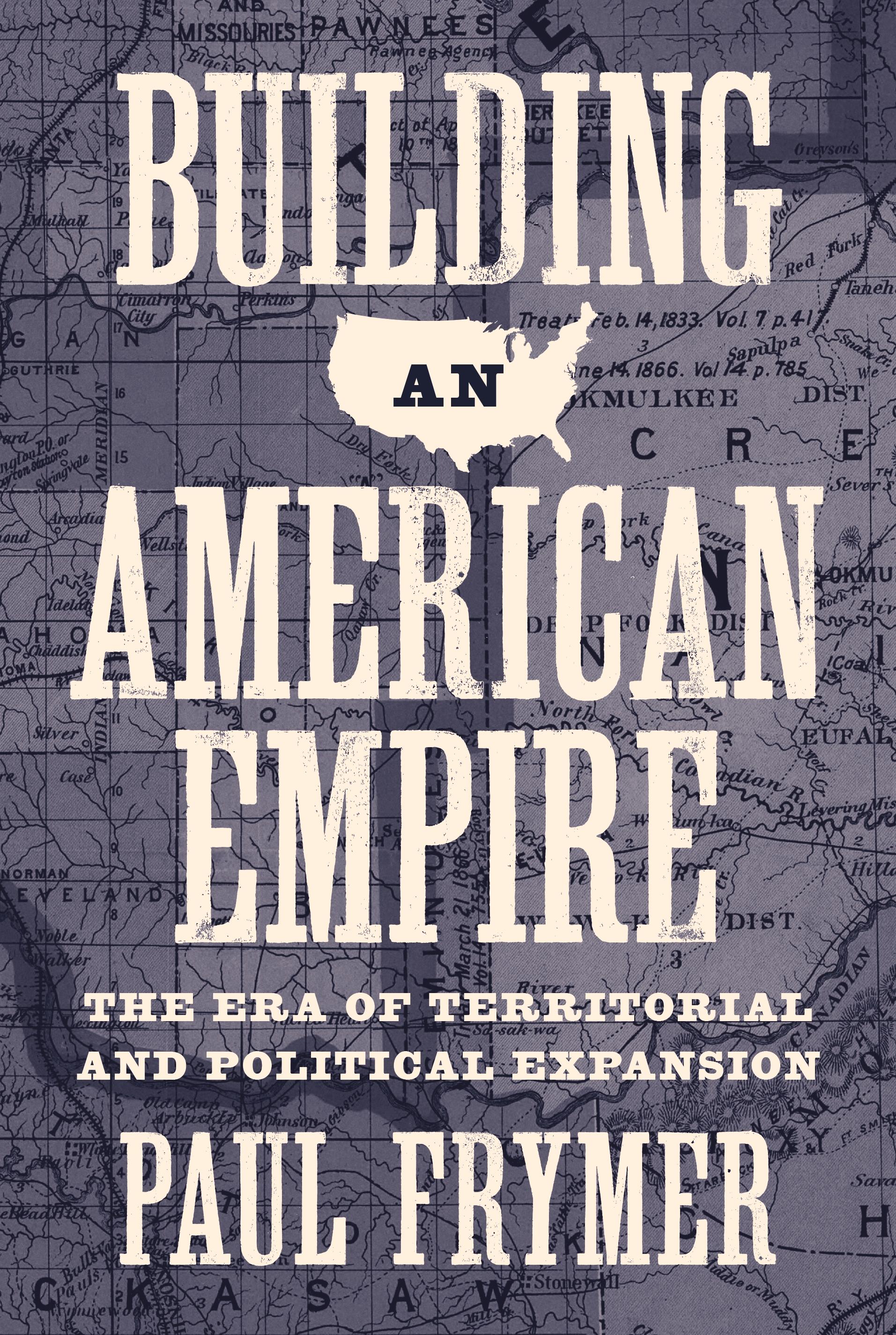
How American westward expansion was governmentally engineered to promote the formation of a white settler nation
Westward expansion of the United States is most conventionally remembered for rugged individualism, geographic isolationism, and a fair amount of luck. Yet the establishment of the forty-eight contiguous states was hardly a foregone conclusion, and the federal government played a critical role in its success. This book examines the politics of American expansion, showing how the government's regulation of population movements on the frontier, both settlement and removal, advanced national aspirations for empire and promoted the formation of a white settler nation.
Building an American Empire details how a government that struggled to exercise plenary power used federal land policy to assert authority over the direction of expansion by engineering the pace and patterns of settlement and to control the movement of populations. At times, the government mobilized populations for compact settlement in strategically important areas of the frontier; at other times, policies were designed to actively restrain settler populations in order to prevent violence, international conflict, and breakaway states. Paul Frymer examines how these settlement patterns helped construct a dominant racial vision for America by incentivizing and directing the movement of white European settlers onto indigenous and diversely populated lands. These efforts were hardly seamless, and Frymer pays close attention to the failures as well, from the lack of further expansion into Latin America to the defeat of the black colonization movement.
Building an American Empire reveals the lasting and profound significance government settlement policies had for the nation, both for establishing America as dominantly white and for restricting broader aspirations for empire in lands that could not be so racially engineered.
Before Memmo my notes were scattered across PDFs. Now a workspace pulls everything into one place — I see exactly what's still left to study.
Memmo's summaries are gold before exams. I don't have to re-read 800 pages two weeks before — just the important parts.
The AI chat has saved me the night before an exam more than once. I just keep asking until I get it — no waiting on a study group to reply.
The quizzes hit exactly what I need to know. Memmo tracks what I get stuck on — so I only practice what's worth it.
Flashcards with spaced repetition are magic. Memmo knows when I'm about to forget something and brings it back.
The AI podcasts are my favorite. I listen on my way to school and get a recap without sitting at a computer.

Handbok i kvalitativa metoder
281 kr

Hållbar utveckling: en introduktion för ingenjörer och andra problemlösare
334 kr

Brymans Samhällsvetenskapliga metoder
390 kr

Projektledning
491 kr

Den orättvisa hälsan: om socioekonomiska skillnader i hälsa och livslängd
326 kr

Organizational Leadership
429 kr

Vetenskapsteori för nybörjare
196 kr

På väg mot läraryrket
172 kr

Det sociala livet i skolan: Socialpsykologiska perspektiv
253 kr

Betygsättningens didaktik
151 kr

Personality
402 kr

Studying Leadership
404 kr

Managing Innovation
477 kr

Introduktion till samhällsvetenskaplig metod
347 kr

The Psychology of Sex and Gender
698 kr

Evidens och kunskap för socialt arbete
207 kr

Introduction to Leadership
605 kr