
Before Memmo my notes were scattered across PDFs. Now a workspace pulls everything into one place — I see exactly what's still left to study.
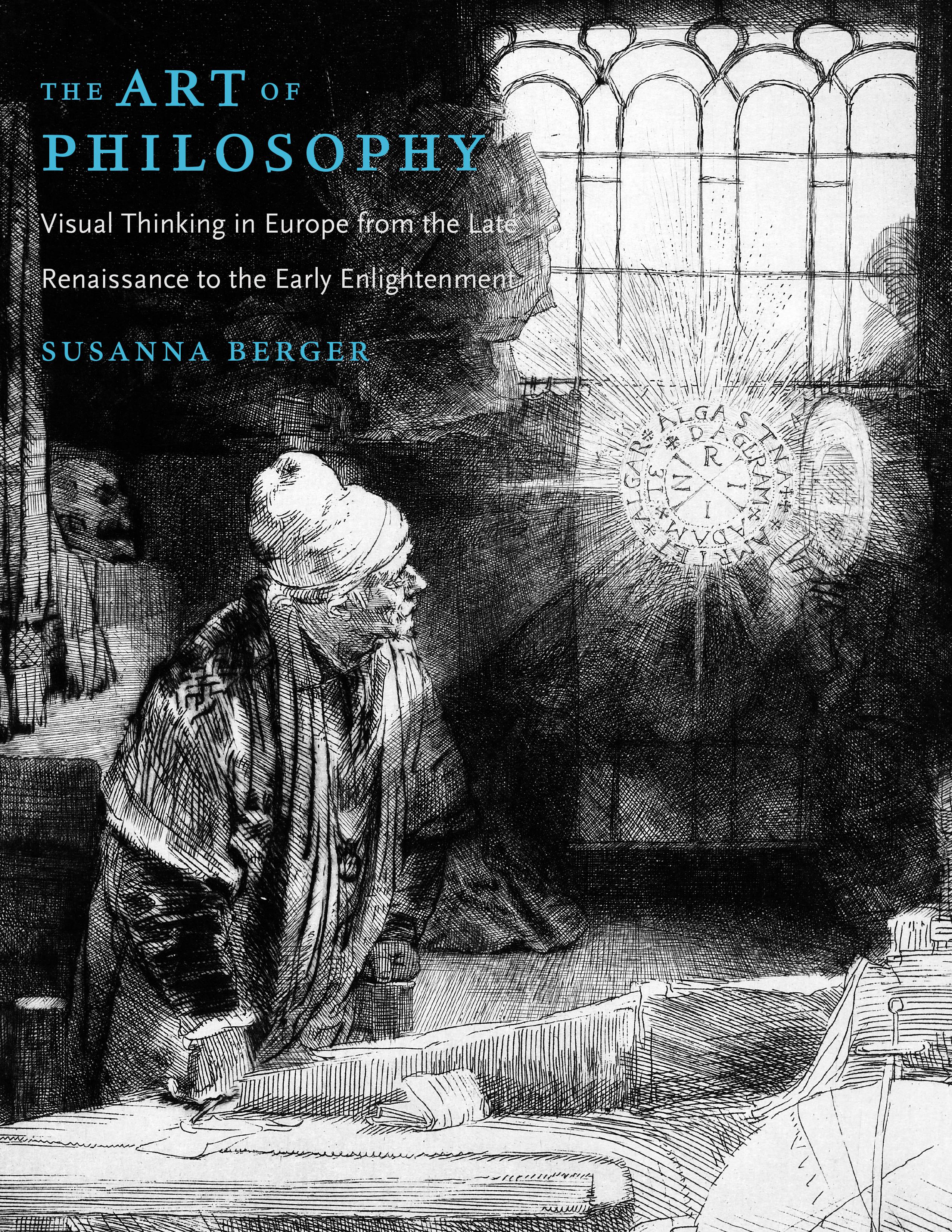
The first book to explore the role of images in philosophical thought and teaching in the early modern period
Delving into the intersections between artistic images and philosophical knowledge in Europe from the late sixteenth to the early eighteenth centuries, The Art of Philosophy shows that the making and study of visual art functioned as important methods of philosophical thinking and instruction. From frontispieces of books to monumental prints created by philosophers in collaboration with renowned artists, Susanna Berger examines visual representations of philosophy and overturns prevailing assumptions about the limited function of the visual in European intellectual history.
Rather than merely illustrating already existing philosophical concepts, visual images generated new knowledge for both Aristotelian thinkers and anti-Aristotelians, such as Descartes and Hobbes. Printmaking and drawing played a decisive role in discoveries that led to a move away from the authority of Aristotle in the seventeenth century. Berger interprets visual art from printed books, student lecture notebooks, alba amicorum (friendship albums), broadsides, and paintings, and examines the work of such artists as Pietro Testa, Léonard Gaultier, Abraham Bosse, Dürer, and Rembrandt. In particular, she focuses on the rise and decline of the "plural image," a genre that was popular among early modern philosophers. Plural images brought multiple images together on the same page, often in order to visualize systems of logic, metaphysics, natural philosophy, or moral philosophy.
Featuring previously unpublished prints and drawings from the early modern period and lavish gatefolds, The Art of Philosophy reveals the essential connections between visual commentary and philosophical thought.
Before Memmo my notes were scattered across PDFs. Now a workspace pulls everything into one place — I see exactly what's still left to study.
Memmo's summaries are gold before exams. I don't have to re-read 800 pages two weeks before — just the important parts.
The AI chat has saved me the night before an exam more than once. I just keep asking until I get it — no waiting on a study group to reply.
The quizzes hit exactly what I need to know. Memmo tracks what I get stuck on — so I only practice what's worth it.
Flashcards with spaced repetition are magic. Memmo knows when I'm about to forget something and brings it back.
The AI podcasts are my favorite. I listen on my way to school and get a recap without sitting at a computer.

Handbok i kvalitativa metoder
281 kr

Hållbar utveckling: en introduktion för ingenjörer och andra problemlösare
334 kr

Brymans Samhällsvetenskapliga metoder
390 kr

Projektledning
491 kr

Den orättvisa hälsan: om socioekonomiska skillnader i hälsa och livslängd
326 kr

Vetenskapsteori för nybörjare
196 kr

Organizational Leadership
429 kr

På väg mot läraryrket
172 kr

Det sociala livet i skolan: Socialpsykologiska perspektiv
253 kr

Betygsättningens didaktik
151 kr

Personality
402 kr

Studying Leadership
404 kr

Managing Innovation
477 kr

Introduktion till samhällsvetenskaplig metod
347 kr

The Psychology of Sex and Gender
698 kr

Evidens och kunskap för socialt arbete
207 kr

Introduction to Leadership
605 kr