
Before Memmo my notes were scattered across PDFs. Now a workspace pulls everything into one place — I see exactly what's still left to study.
How the optimism gap between rich and poor is creating an increasingly divided society
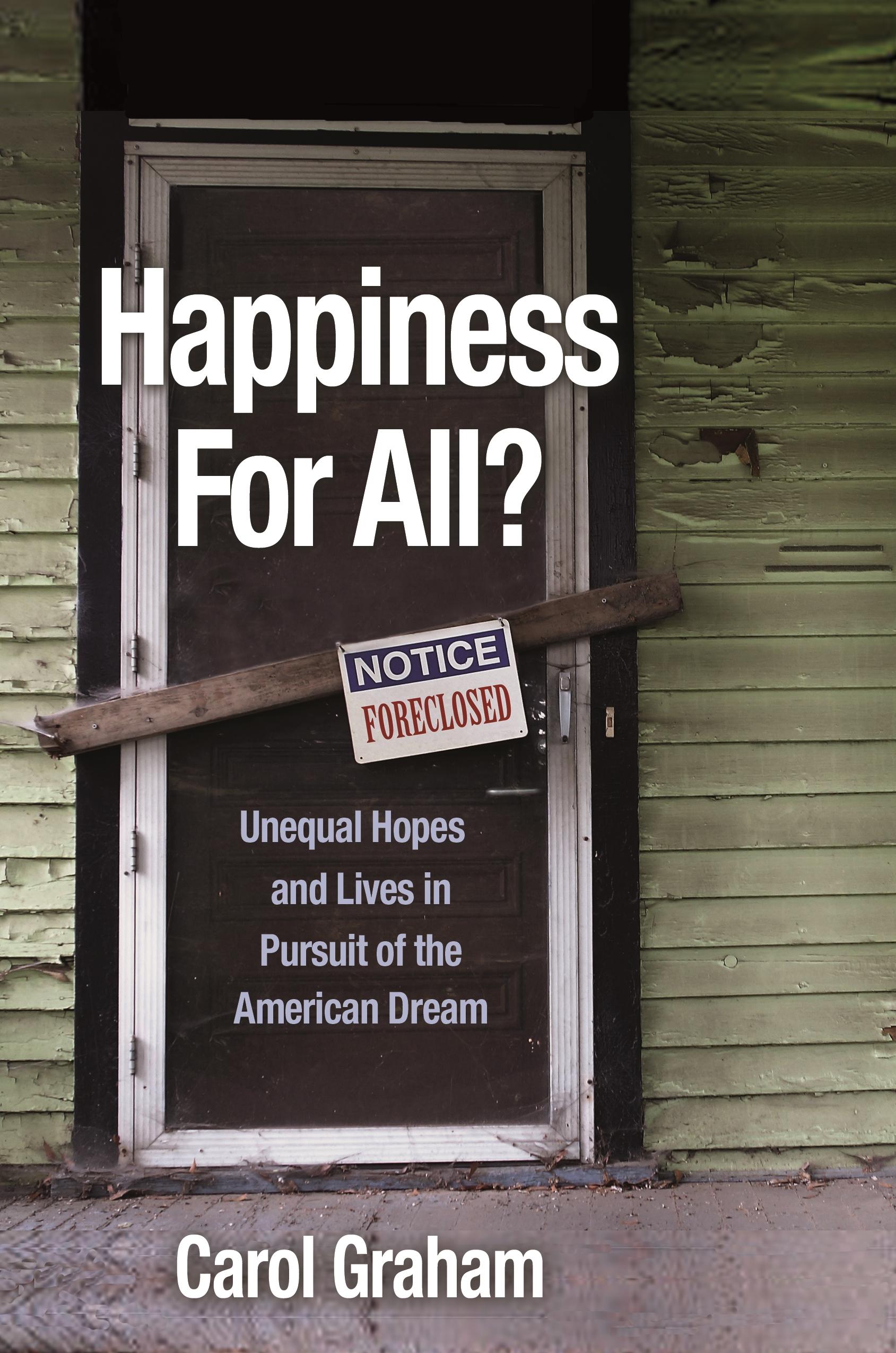
The Declaration of Independence states that all people are endowed with certain unalienable rights, and that among these is the pursuit of happiness. But is happiness available equally to everyone in America today? How about elsewhere in the world? Carol Graham draws on cutting-edge research linking income inequality with well-being to show how the widening prosperity gap has led to rising inequality in people's beliefs, hopes, and aspirations.
For the United States and other developed countries, the high costs of being poor are most evident not in material deprivation but rather in stress, insecurity, and lack of hope. The result is an optimism gap between rich and poor that, if left unchecked, could lead to an increasingly divided society. Graham reveals how people who do not believe in their own futures are unlikely to invest in them, and how the consequences can range from job instability and poor education to greater mortality rates, failed marriages, and higher rates of incarceration. She describes how the optimism gap is reflected in the very words people use—the wealthy use words that reflect knowledge acquisition and healthy behaviors, while the words of the poor reflect desperation, short-term outlooks, and patchwork solutions. She also explains why the least optimistic people in America are poor whites, not poor blacks or Hispanics.
Happiness for All? highlights the importance of well-being measures in identifying and monitoring trends in life satisfaction and optimism—and misery and despair—and demonstrates how hope and happiness can lead to improved economic outcomes.
Before Memmo my notes were scattered across PDFs. Now a workspace pulls everything into one place — I see exactly what's still left to study.
Memmo's summaries are gold before exams. I don't have to re-read 800 pages two weeks before — just the important parts.
The AI chat has saved me the night before an exam more than once. I just keep asking until I get it — no waiting on a study group to reply.
The quizzes hit exactly what I need to know. Memmo tracks what I get stuck on — so I only practice what's worth it.
Flashcards with spaced repetition are magic. Memmo knows when I'm about to forget something and brings it back.
The AI podcasts are my favorite. I listen on my way to school and get a recap without sitting at a computer.

Handbok i kvalitativa metoder
281 kr

Hållbar utveckling: en introduktion för ingenjörer och andra problemlösare
334 kr

Brymans Samhällsvetenskapliga metoder
390 kr

Projektledning
491 kr

Den orättvisa hälsan: om socioekonomiska skillnader i hälsa och livslängd
326 kr

Organizational Leadership
429 kr

Vetenskapsteori för nybörjare
196 kr

På väg mot läraryrket
172 kr

Det sociala livet i skolan: Socialpsykologiska perspektiv
253 kr

Betygsättningens didaktik
151 kr

Personality
402 kr

Studying Leadership
404 kr

Managing Innovation
477 kr

Introduktion till samhällsvetenskaplig metod
347 kr

The Psychology of Sex and Gender
698 kr

Evidens och kunskap för socialt arbete
207 kr

Introduction to Leadership
605 kr