
Before Memmo my notes were scattered across PDFs. Now a workspace pulls everything into one place — I see exactly what's still left to study.
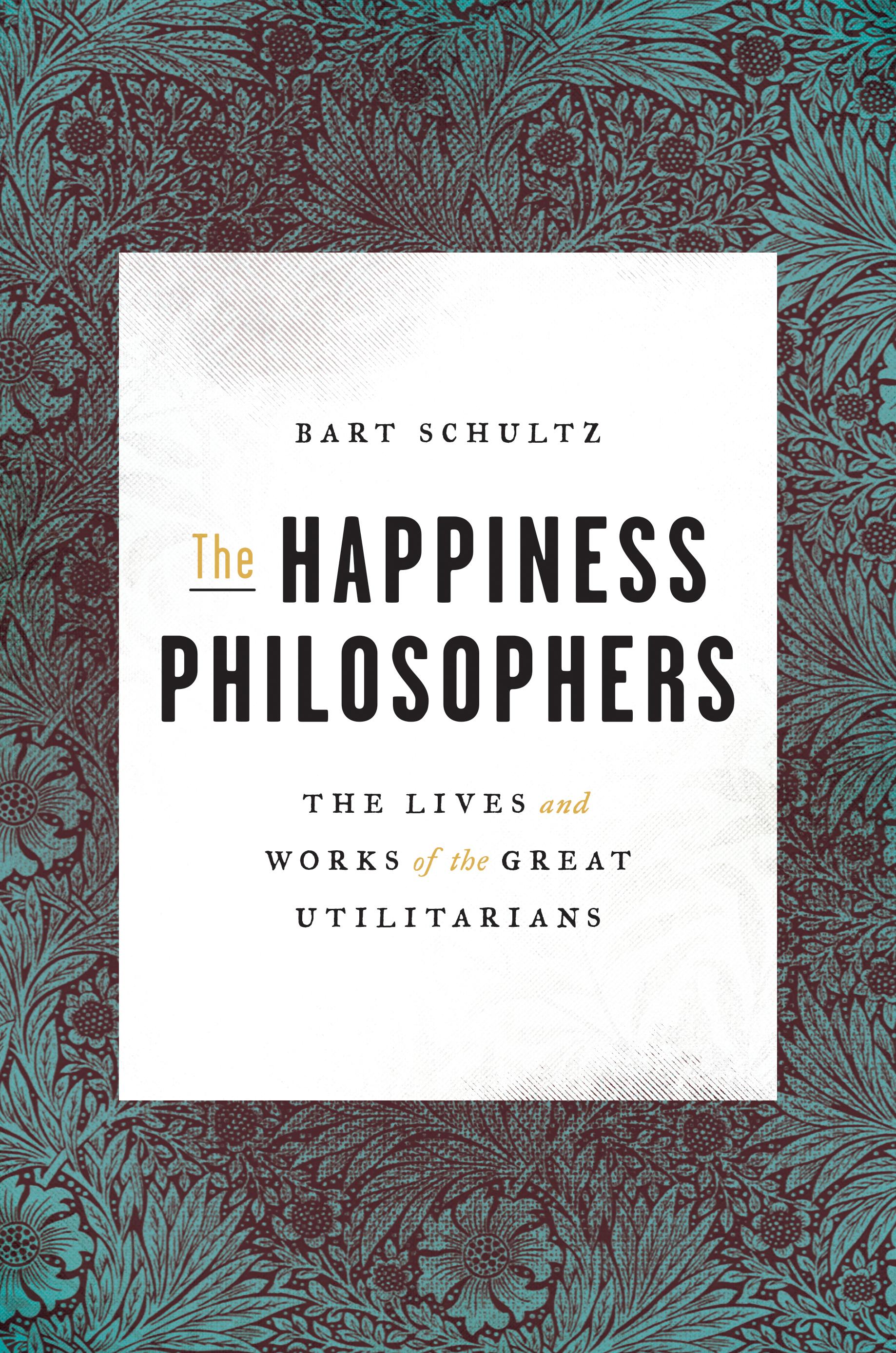
A colorful history of utilitarianism told through the lives and ideas of Jeremy Bentham, John Stuart Mill, and its other founders
In The Happiness Philosophers, Bart Schultz tells the colorful story of the lives and legacies of the founders of utilitarianism—one of the most influential yet misunderstood and maligned philosophies of the past two centuries.
Best known for arguing that "it is the greatest happiness of the greatest number that is the measure of right and wrong," utilitarianism was developed by the radical philosophers, critics, and social reformers William Godwin (the husband of Mary Wollstonecraft and father of Mary Shelley), Jeremy Bentham, John Stuart and Harriet Taylor Mill, and Henry Sidgwick. Together, they had a profound influence on nineteenth-century reforms, in areas ranging from law, politics, and economics to morals, education, and women's rights. Their work transformed life in ways we take for granted today. Bentham even advocated the decriminalization of same-sex acts, decades before the cause was taken up by other activists. As Bertrand Russell wrote about Bentham in the late 1920s, "There can be no doubt that nine-tenths of the people living in England in the latter part of last century were happier than they would have been if he had never lived." Yet in part because of its misleading name and the caricatures popularized by figures as varied as Dickens, Marx, and Foucault, utilitarianism is sometimes still dismissed as cold, calculating, inhuman, and simplistic.
By revealing the fascinating human sides of the remarkable pioneers of utilitarianism, The Happiness Philosophers provides a richer understanding and appreciation of their philosophical and political perspectives—one that also helps explain why utilitarianism is experiencing a renaissance today and is again being used to tackle some of the world's most serious problems.
Before Memmo my notes were scattered across PDFs. Now a workspace pulls everything into one place — I see exactly what's still left to study.
Memmo's summaries are gold before exams. I don't have to re-read 800 pages two weeks before — just the important parts.
The AI chat has saved me the night before an exam more than once. I just keep asking until I get it — no waiting on a study group to reply.
The quizzes hit exactly what I need to know. Memmo tracks what I get stuck on — so I only practice what's worth it.
Flashcards with spaced repetition are magic. Memmo knows when I'm about to forget something and brings it back.
The AI podcasts are my favorite. I listen on my way to school and get a recap without sitting at a computer.

Handbok i kvalitativa metoder
281 kr

Hållbar utveckling: en introduktion för ingenjörer och andra problemlösare
334 kr

Brymans Samhällsvetenskapliga metoder
390 kr

Projektledning
491 kr

Den orättvisa hälsan: om socioekonomiska skillnader i hälsa och livslängd
326 kr

Vetenskapsteori för nybörjare
196 kr

Organizational Leadership
429 kr

På väg mot läraryrket
172 kr

Det sociala livet i skolan: Socialpsykologiska perspektiv
253 kr

Betygsättningens didaktik
151 kr

Personality
402 kr

Studying Leadership
404 kr

Managing Innovation
477 kr

Introduktion till samhällsvetenskaplig metod
347 kr

The Psychology of Sex and Gender
698 kr

Evidens och kunskap för socialt arbete
207 kr

Introduction to Leadership
605 kr