
Before Memmo my notes were scattered across PDFs. Now a workspace pulls everything into one place — I see exactly what's still left to study.
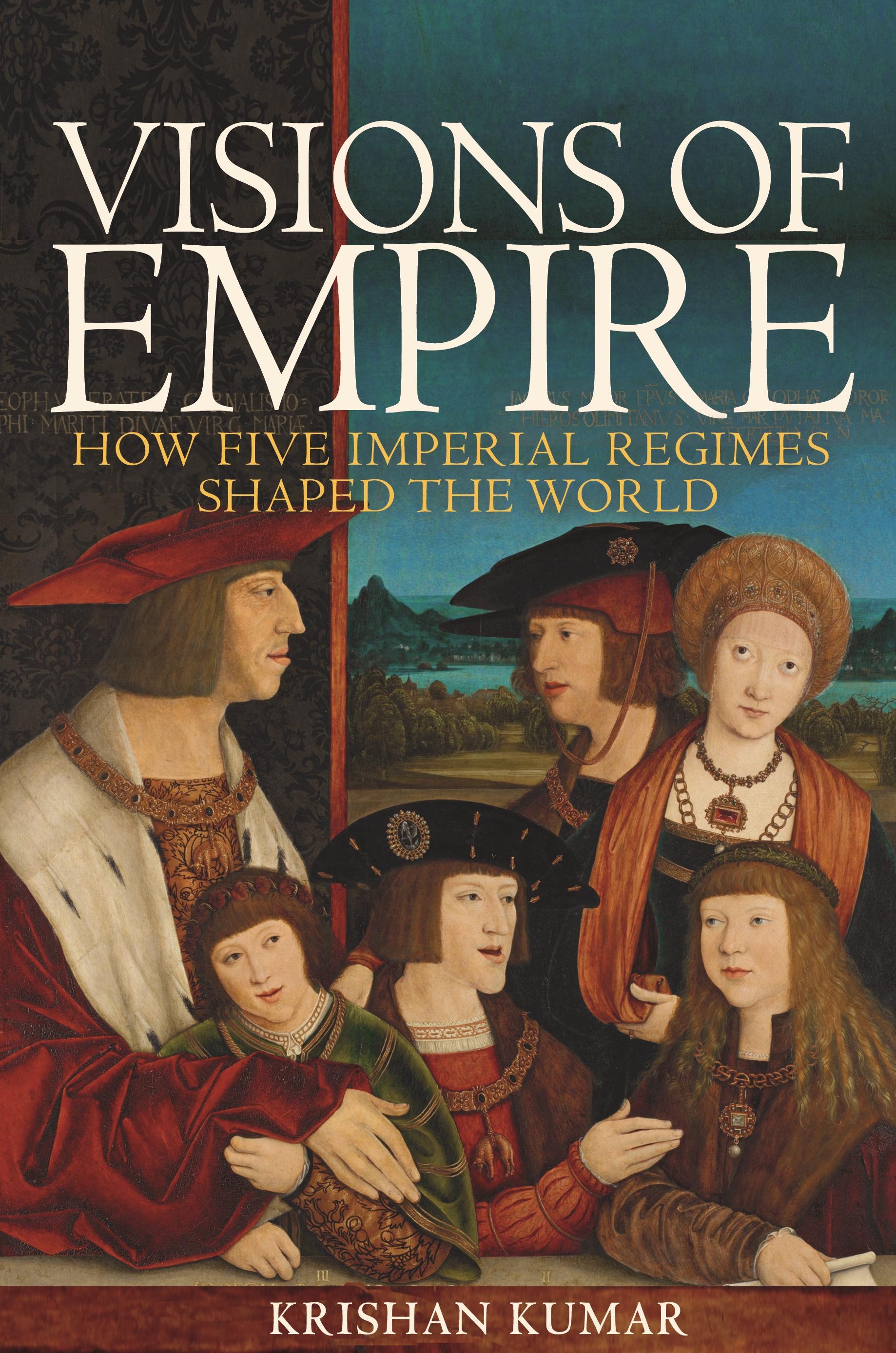
What the rulers of empire can teach us about navigating today's increasingly interconnected world
The empires of the past were far-flung experiments in multinationalism and multiculturalism, and have much to teach us about navigating our own increasingly globalized and interconnected world. Until now, most recent scholarship on empires has focused on their subject peoples. Visions of Empire looks at their rulers, shedding critical new light on who they were, how they justified their empires, how they viewed themselves, and the styles of rule they adopted toward their subjects.
Krishan Kumar provides panoramic and multifaceted portraits of five major European empires—Ottoman, Habsburg, Russian/Soviet, British, and French—showing how each, like ancient Rome, saw itself as the carrier of universal civilization to the rest of the world. Sometimes these aims were couched in religious terms, as with Islam for the Ottomans or Catholicism for the Habsburgs. Later, the imperial missions took more secular forms, as with British political traditions or the world communism of the Soviets.
Visions of Empire offers new insights into the interactions between rulers and ruled, revealing how empire was as much a shared enterprise as a clash of oppositional interests. It explores how these empires differed from nation-states, particularly in how the ruling peoples of empires were forced to downplay or suppress their own national or ethnic identities in the interests of the long-term preservation of their rule. This compelling and in-depth book demonstrates how the rulers of empire, in their quest for a universal world order, left behind a legacy of multiculturalism and diversity that is uniquely relevant for us today.
Before Memmo my notes were scattered across PDFs. Now a workspace pulls everything into one place — I see exactly what's still left to study.
Memmo's summaries are gold before exams. I don't have to re-read 800 pages two weeks before — just the important parts.
The AI chat has saved me the night before an exam more than once. I just keep asking until I get it — no waiting on a study group to reply.
The quizzes hit exactly what I need to know. Memmo tracks what I get stuck on — so I only practice what's worth it.
Flashcards with spaced repetition are magic. Memmo knows when I'm about to forget something and brings it back.
The AI podcasts are my favorite. I listen on my way to school and get a recap without sitting at a computer.

Handbok i kvalitativa metoder
281 kr

Hållbar utveckling: en introduktion för ingenjörer och andra problemlösare
334 kr

Brymans Samhällsvetenskapliga metoder
390 kr

Projektledning
491 kr

Den orättvisa hälsan: om socioekonomiska skillnader i hälsa och livslängd
326 kr

Vetenskapsteori för nybörjare
196 kr

Organizational Leadership
429 kr

På väg mot läraryrket
172 kr

Det sociala livet i skolan: Socialpsykologiska perspektiv
253 kr

Betygsättningens didaktik
151 kr

Personality
402 kr

Studying Leadership
404 kr

Managing Innovation
477 kr

Introduktion till samhällsvetenskaplig metod
347 kr

The Psychology of Sex and Gender
698 kr

Evidens och kunskap för socialt arbete
207 kr

Introduction to Leadership
605 kr