
Before Memmo my notes were scattered across PDFs. Now a workspace pulls everything into one place — I see exactly what's still left to study.
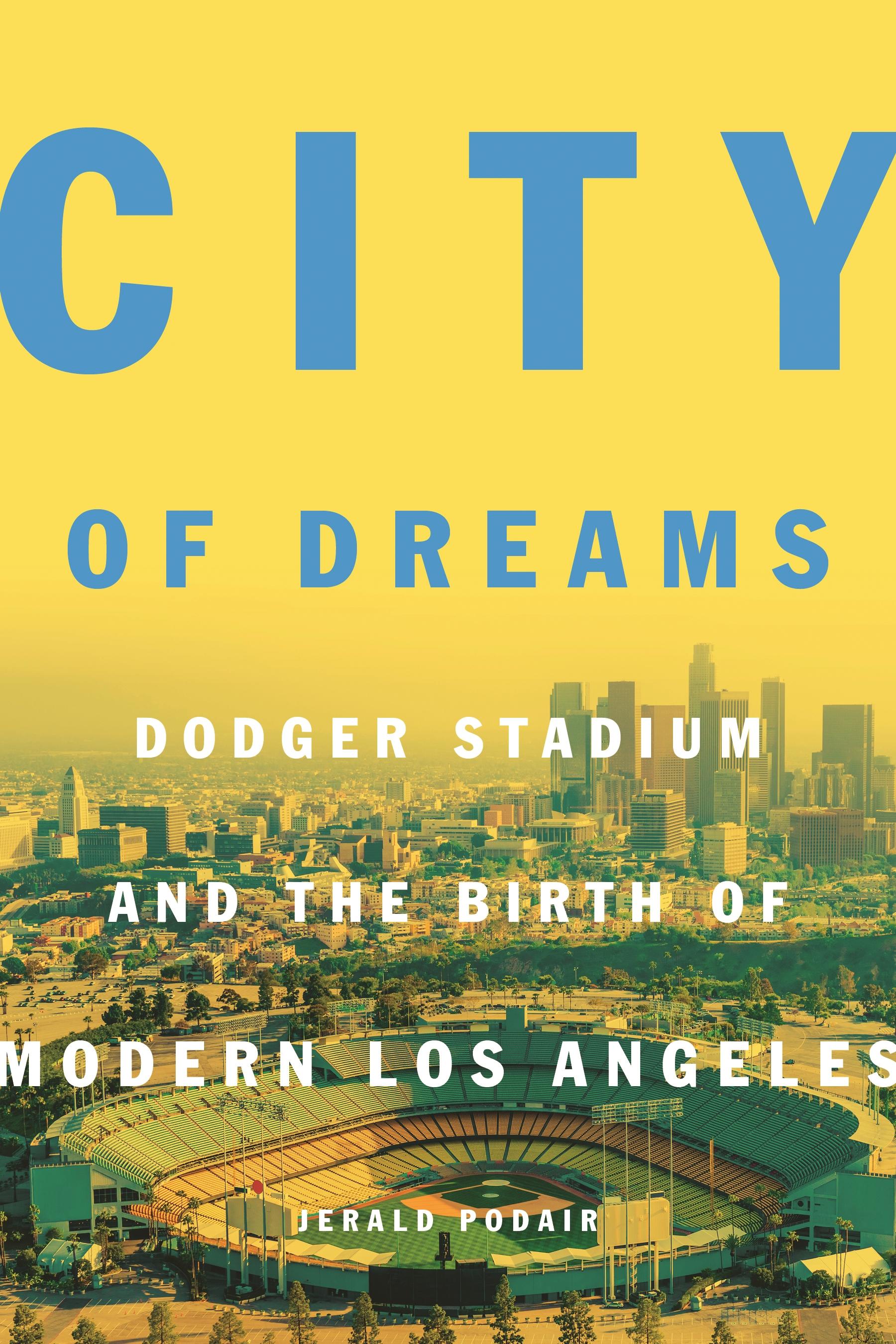
On the sixtieth anniversary of the Dodgers' move to Los Angeles, the full story of the controversial building of Dodger Stadium and how it helped transform the city.
When Walter O'Malley moved his Brooklyn Dodgers to Los Angeles in 1957 with plans to construct a new ballpark next to downtown, he ignited a bitter argument over the future of a rapidly changing city. For the first time, City of Dreams tells the full story of the controversial building of Dodger Stadium—and how it helped create modern Los Angeles by transforming its downtown into a vibrant cultural and entertainment center.
In a vivid narrative, Jerald Podair tells how Los Angeles was convulsed between 1957 and 1962 over whether, where, and how to build Dodger Stadium. Competing civic visions clashed. Would Los Angeles be a decentralized, low-tax city of neighborhoods, as demanded by middle-class whites on its peripheries? Or would the baseball park be the first contribution to a revitalized downtown that would brand Los Angeles as a national and global city, as advocated by leaders in business, media, and entertainment?
O'Malley's vision triumphed when he opened his privately constructed stadium on April 10, 1962—and over the past half century it has contributed substantially to the city's civic and financial well-being. But in order to build the stadium, O'Malley negotiated with the city to acquire publicly owned land (from which the city had uprooted a Mexican American community), raising sharply contested questions about the relationship between private profit and "public purpose." Indeed, the battle over Dodger Stadium crystallized issues with profound implications for all American cities, and for arguments over the meaning of equality itself.
Filled with colorful stories, City of Dreams will fascinate anyone who is interested in the history of the Dodgers, baseball, Los Angeles, and the modern American city.
Before Memmo my notes were scattered across PDFs. Now a workspace pulls everything into one place — I see exactly what's still left to study.
Memmo's summaries are gold before exams. I don't have to re-read 800 pages two weeks before — just the important parts.
The AI chat has saved me the night before an exam more than once. I just keep asking until I get it — no waiting on a study group to reply.
The quizzes hit exactly what I need to know. Memmo tracks what I get stuck on — so I only practice what's worth it.
Flashcards with spaced repetition are magic. Memmo knows when I'm about to forget something and brings it back.
The AI podcasts are my favorite. I listen on my way to school and get a recap without sitting at a computer.

Handbok i kvalitativa metoder
281 kr

Hållbar utveckling: en introduktion för ingenjörer och andra problemlösare
334 kr

Brymans Samhällsvetenskapliga metoder
390 kr

Projektledning
491 kr

Den orättvisa hälsan: om socioekonomiska skillnader i hälsa och livslängd
326 kr

Vetenskapsteori för nybörjare
196 kr

Organizational Leadership
429 kr

På väg mot läraryrket
172 kr

Det sociala livet i skolan: Socialpsykologiska perspektiv
253 kr

Betygsättningens didaktik
151 kr

Personality
402 kr

Studying Leadership
404 kr

Managing Innovation
477 kr

Introduktion till samhällsvetenskaplig metod
347 kr

The Psychology of Sex and Gender
698 kr

Evidens och kunskap för socialt arbete
207 kr

Introduction to Leadership
605 kr