
Before Memmo my notes were scattered across PDFs. Now a workspace pulls everything into one place — I see exactly what's still left to study.
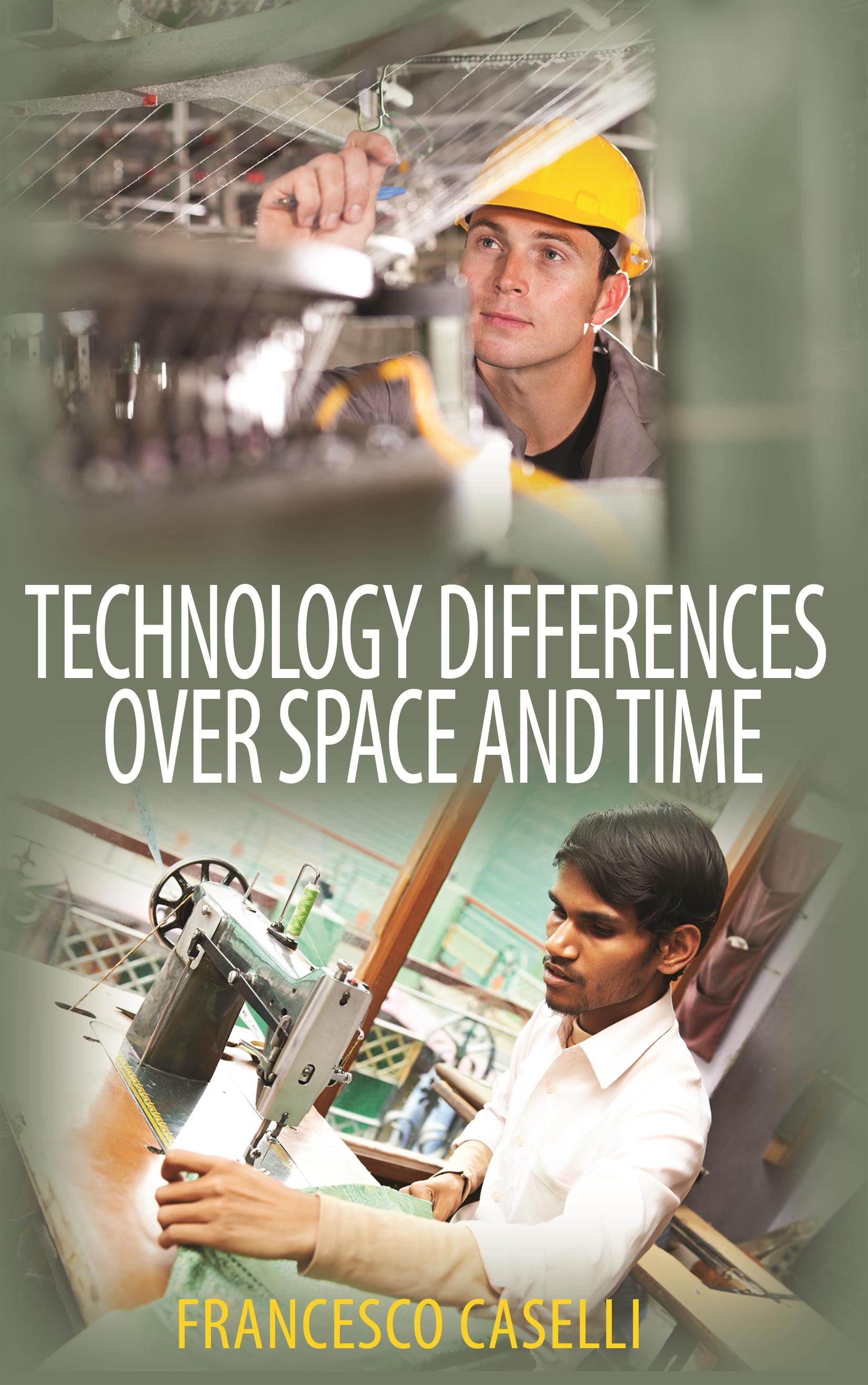
Technology Differences over Space and Time looks at how countries use their productive resources—such as workers, skills, equipment and structures, and natural resources. Francesco Caselli develops methods to assess the efficiency with which productive inputs are used, and how these efficiencies vary across countries and over time.
Caselli finds that richer countries use skilled workers relatively more efficiently than unskilled workers, and equipment and structures relatively more efficiently than natural resources. They also are relatively more efficient users of labor than of capital. Technological change tends to make countries particularly efficient at using skills and less efficient at using capital. Technical change also favors experienced workers.
In order to interpret and understand these findings, Caselli presents a theory of technology choice. In this theory, firms pick technologies that make the most efficient use of the most abundant production factors when these factors are good substitutes for the less abundant factors. Firms pick technologies that make the most of less abundant factors when other suitable factors are not available for substitution. For example, rich countries, where skilled workers are abundant, use skilled workers efficiently, as these are good substitutes for unskilled workers. This flexible framework can be applied to other pairs of inputs, over time, and across countries.
Technology Differences over Space and Time has significant implications not only for the theoretical understanding of development and technological innovation, but also for government formulation of industrial policy and multinationals making decisions about what to invest in and where to make those investments.
Before Memmo my notes were scattered across PDFs. Now a workspace pulls everything into one place — I see exactly what's still left to study.
Memmo's summaries are gold before exams. I don't have to re-read 800 pages two weeks before — just the important parts.
The AI chat has saved me the night before an exam more than once. I just keep asking until I get it — no waiting on a study group to reply.
The quizzes hit exactly what I need to know. Memmo tracks what I get stuck on — so I only practice what's worth it.
Flashcards with spaced repetition are magic. Memmo knows when I'm about to forget something and brings it back.
The AI podcasts are my favorite. I listen on my way to school and get a recap without sitting at a computer.

Handbok i kvalitativa metoder
281 kr

Hållbar utveckling: en introduktion för ingenjörer och andra problemlösare
334 kr

Brymans Samhällsvetenskapliga metoder
390 kr

Projektledning
491 kr

Den orättvisa hälsan: om socioekonomiska skillnader i hälsa och livslängd
326 kr

Vetenskapsteori för nybörjare
196 kr

Organizational Leadership
429 kr

På väg mot läraryrket
172 kr

Det sociala livet i skolan: Socialpsykologiska perspektiv
253 kr

Betygsättningens didaktik
151 kr

Personality
402 kr

Studying Leadership
404 kr

Managing Innovation
477 kr

Introduktion till samhällsvetenskaplig metod
347 kr

The Psychology of Sex and Gender
698 kr

Evidens och kunskap för socialt arbete
207 kr

Introduction to Leadership
605 kr