
Before Memmo my notes were scattered across PDFs. Now a workspace pulls everything into one place — I see exactly what's still left to study.
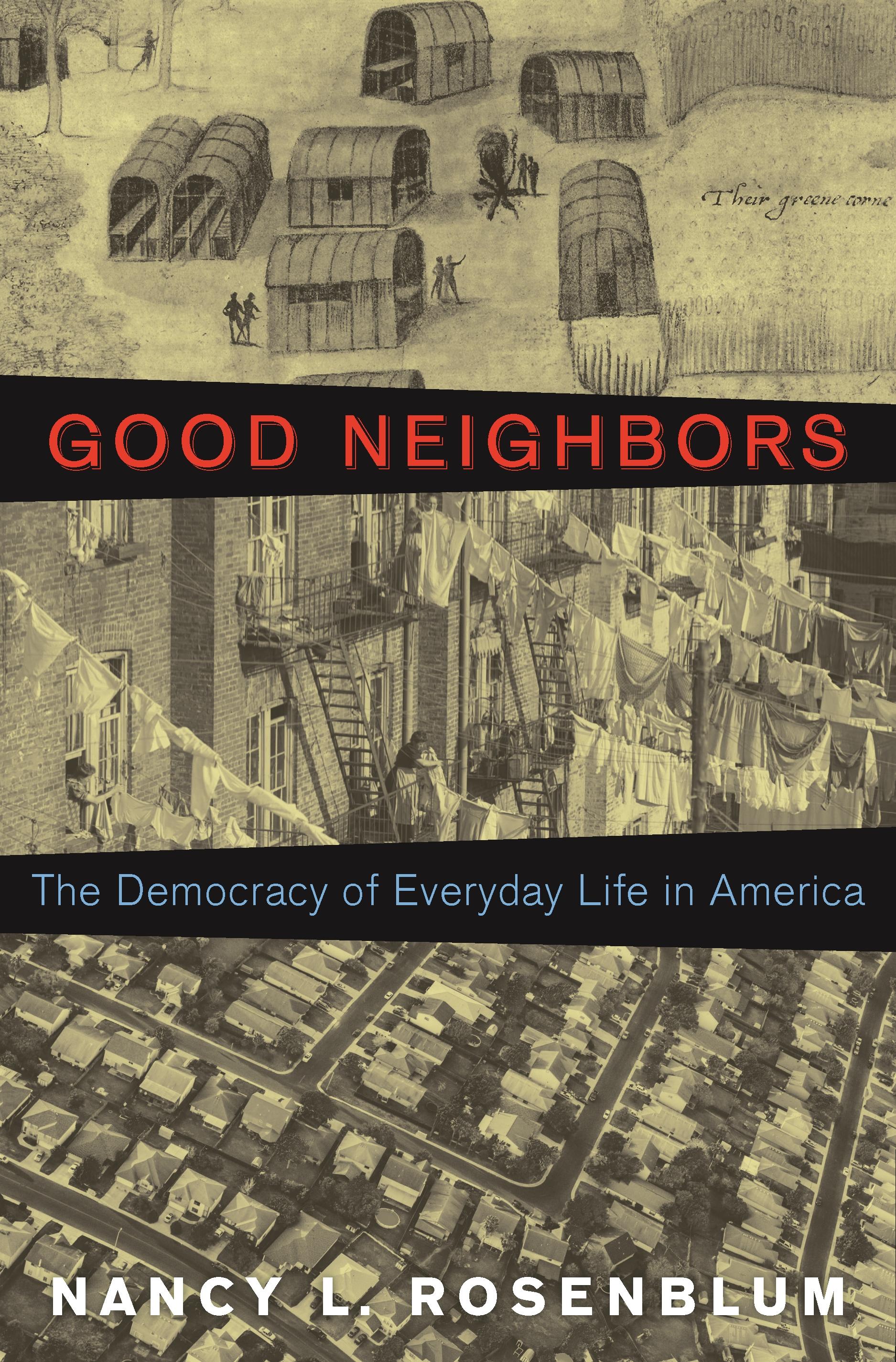
How our everyday interactions as neighbors shape—and sometimes undermine—democracy
"Love thy neighbor" is an impossible exhortation. Good neighbors greet us on the street and do small favors, but neighbors also startle us with sounds at night and unleash their demons on us, they monitor and reproach us, and betray us to authorities. The moral principles prescribed for friendship, civil society, and democratic public life apply imperfectly to life around home, where we interact day to day without the formal institutions, rules of conduct, and means of enforcement that guide us in other settings.
In Good Neighbors, Nancy Rosenblum explores how encounters among neighbors create a democracy of everyday life, which has been with us since the beginning of American history and is expressed in settler, immigrant, and suburban narratives and in novels, poetry, and popular culture. During disasters, like Hurricane Katrina, the democracy of everyday life is a resource for neighbors who improvise rescue and care. Degraded, this framework can give way to betrayal by neighbors, as faced by the Japanese Americans interned during World War II, or to terrible violence such as the lynching of African Americans. Under extreme conditions the barest act of neighborliness is a bulwark against total ethical breakdown. The elements of the democracy of everyday life—reciprocity, speaking out, and "live and let live"—comprise a democratic ideal not reducible to public principles of justice or civic virtue, but it is no less important. The democracy of everyday life, Rosenblum argues, is the deep substrate of democracy in America and can be its saving remnant.
Before Memmo my notes were scattered across PDFs. Now a workspace pulls everything into one place — I see exactly what's still left to study.
Memmo's summaries are gold before exams. I don't have to re-read 800 pages two weeks before — just the important parts.
The AI chat has saved me the night before an exam more than once. I just keep asking until I get it — no waiting on a study group to reply.
The quizzes hit exactly what I need to know. Memmo tracks what I get stuck on — so I only practice what's worth it.
Flashcards with spaced repetition are magic. Memmo knows when I'm about to forget something and brings it back.
The AI podcasts are my favorite. I listen on my way to school and get a recap without sitting at a computer.

Handbok i kvalitativa metoder
281 kr

Hållbar utveckling: en introduktion för ingenjörer och andra problemlösare
334 kr

Brymans Samhällsvetenskapliga metoder
390 kr

Projektledning
491 kr

Den orättvisa hälsan: om socioekonomiska skillnader i hälsa och livslängd
326 kr

Vetenskapsteori för nybörjare
196 kr

Organizational Leadership
429 kr

På väg mot läraryrket
172 kr

Det sociala livet i skolan: Socialpsykologiska perspektiv
253 kr

Betygsättningens didaktik
151 kr

Personality
402 kr

Studying Leadership
404 kr

Managing Innovation
477 kr

Introduktion till samhällsvetenskaplig metod
347 kr

The Psychology of Sex and Gender
698 kr

Evidens och kunskap för socialt arbete
207 kr

Introduction to Leadership
605 kr