
Before Memmo my notes were scattered across PDFs. Now a workspace pulls everything into one place — I see exactly what's still left to study.
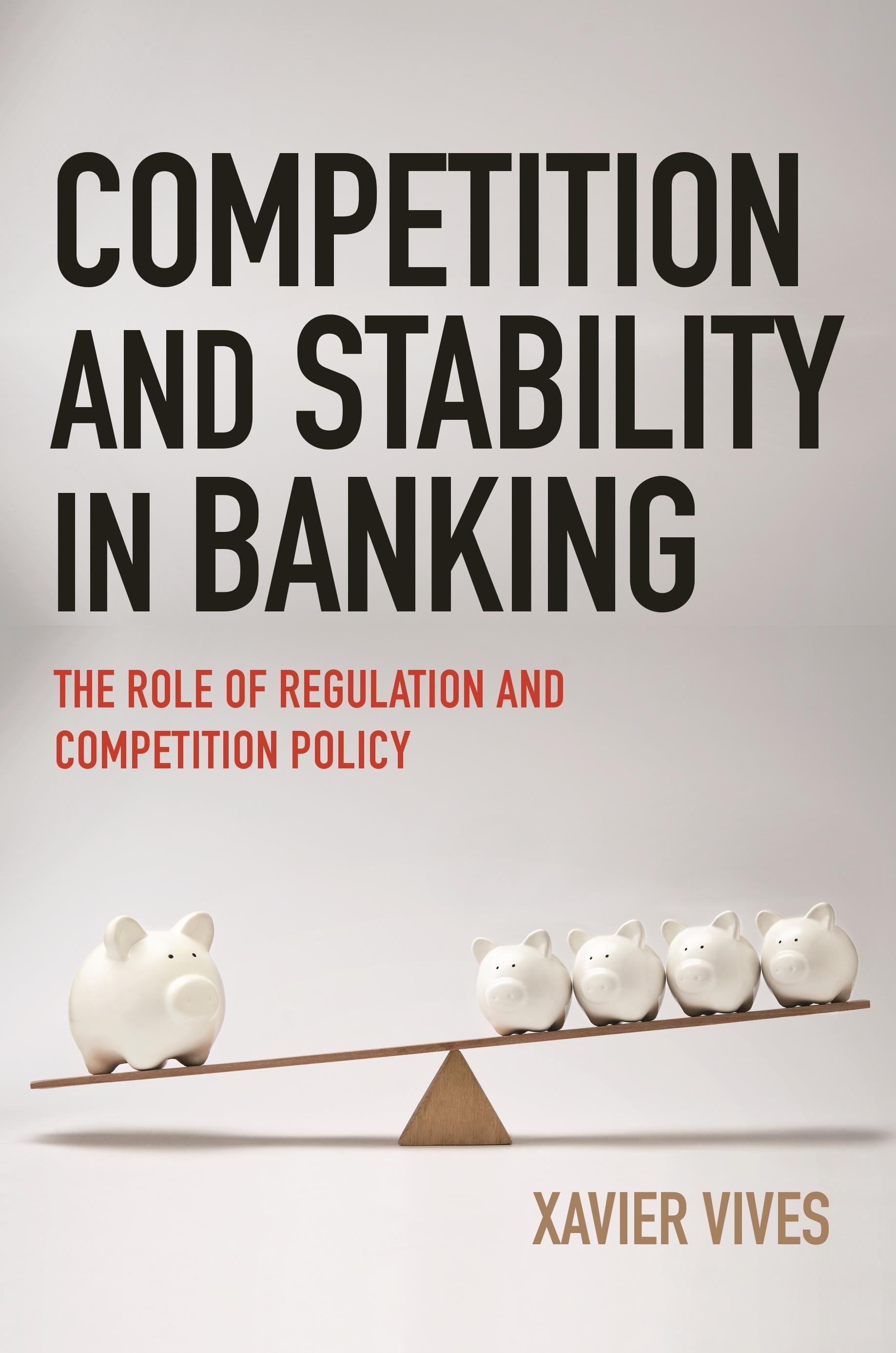
A distinguished economist examines competition, regulation, and stability in today's global banks
Does too much competition in banking hurt society? What policies can best protect and stabilize banking without stifling it? Institutional responses to such questions have evolved over time, from interventionist regulatory control after the Great Depression to the liberalization policies that started in the United States in the 1970s. The global financial crisis of 2007–2009, which originated from an oversupply of credit, once again raised questions about excessive banking competition and what should be done about it. Competition and Stability in Banking addresses the critical relationships between competition, regulation, and stability, and the implications of coordinating banking regulations with competition policies.
Xavier Vives argues that while competition is not responsible for fragility in banking, there are trade-offs between competition and stability. Well-designed regulations would alleviate these trade-offs but not eliminate them, and the specificity of competition in banking should be accounted for. Vives argues that regulation and competition policy should be coordinated, with tighter prudential requirements in more competitive situations, but he also shows that supervisory and competition authorities should stand separate from each other, each pursuing its own objective. Vives reviews the theory and empirics of banking competition, drawing on up-to-date analysis that incorporates the characteristics of modern market-based banking, and he looks at regulation, competition policies, and crisis interventions in Europe and the United States, as well as in emerging economies.
Focusing on why banking competition policies are necessary, Competition and Stability in Banking examines regulation's impact on the industry's efficiency and effectiveness.
Before Memmo my notes were scattered across PDFs. Now a workspace pulls everything into one place — I see exactly what's still left to study.
Memmo's summaries are gold before exams. I don't have to re-read 800 pages two weeks before — just the important parts.
The AI chat has saved me the night before an exam more than once. I just keep asking until I get it — no waiting on a study group to reply.
The quizzes hit exactly what I need to know. Memmo tracks what I get stuck on — so I only practice what's worth it.
Flashcards with spaced repetition are magic. Memmo knows when I'm about to forget something and brings it back.
The AI podcasts are my favorite. I listen on my way to school and get a recap without sitting at a computer.

Handbok i kvalitativa metoder
281 kr

Hållbar utveckling: en introduktion för ingenjörer och andra problemlösare
334 kr

Brymans Samhällsvetenskapliga metoder
390 kr

Projektledning
491 kr

Den orättvisa hälsan: om socioekonomiska skillnader i hälsa och livslängd
326 kr

Vetenskapsteori för nybörjare
196 kr

Organizational Leadership
429 kr

På väg mot läraryrket
172 kr

Det sociala livet i skolan: Socialpsykologiska perspektiv
253 kr

Betygsättningens didaktik
151 kr

Personality
402 kr

Studying Leadership
404 kr

Managing Innovation
477 kr

Introduktion till samhällsvetenskaplig metod
347 kr

The Psychology of Sex and Gender
698 kr

Evidens och kunskap för socialt arbete
207 kr

Introduction to Leadership
605 kr