
Before Memmo my notes were scattered across PDFs. Now a workspace pulls everything into one place — I see exactly what's still left to study.
A reevaluation of what money is—and what it might be
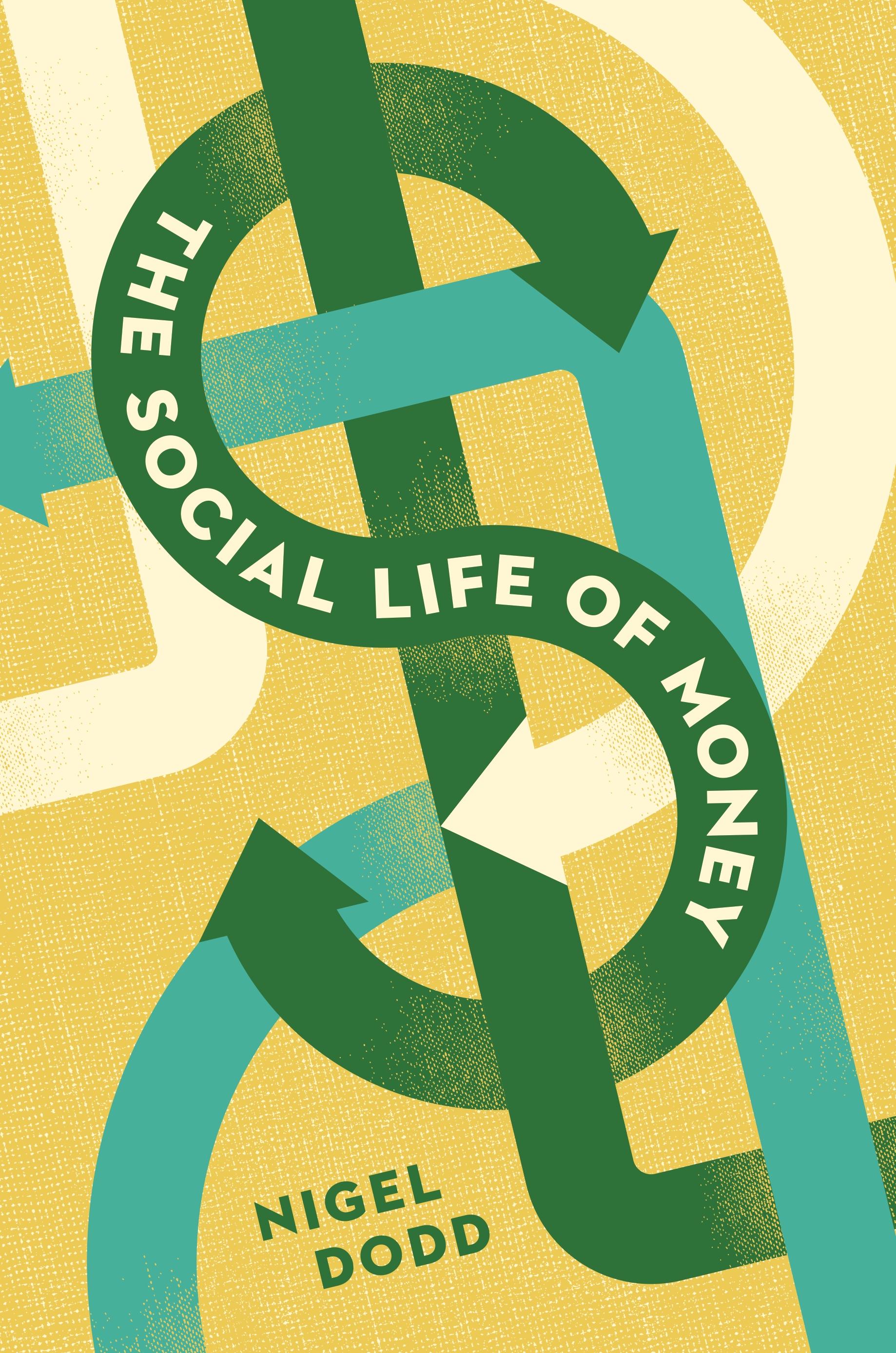
Questions about the nature of money have gained a new urgency in the aftermath of the global financial crisis. Even as many people have less of it, there are more forms and systems of money, from local currencies and social lending to mobile money and Bitcoin. Yet our understanding of what money is—and what it might be—hasn't kept pace. In The Social Life of Money, Nigel Dodd, one of today’s leading sociologists of money, reformulates the theory of the subject for a postcrisis world in which new kinds of money are proliferating.
What counts as legitimate action by central banks that issue currency and set policy? What underpins the right of nongovernmental actors to create new currencies? And how might new forms of money surpass or subvert government-sanctioned currencies? To answer such questions, The Social Life of Money takes a fresh and wide-ranging look at modern theories of money.
One of the book’s central concerns is how money can be wrested from the domination and mismanagement of banks and governments and restored to its fundamental position as the "claim upon society" described by Georg Simmel. But rather than advancing yet another critique of the state-based monetary system, The Social Life of Money draws out the utopian aspects of money and the ways in which its transformation could in turn transform society, politics, and economics. The book also identifies the contributions of thinkers who have not previously been thought of as monetary theorists—including Nietzsche, Benjamin, Bataille, Deleuze and Guattari, Baudrillard, Derrida, and Hardt and Negri. The result provides new ways of thinking about money that seek not only to understand it but to change it.
Before Memmo my notes were scattered across PDFs. Now a workspace pulls everything into one place — I see exactly what's still left to study.
Memmo's summaries are gold before exams. I don't have to re-read 800 pages two weeks before — just the important parts.
The AI chat has saved me the night before an exam more than once. I just keep asking until I get it — no waiting on a study group to reply.
The quizzes hit exactly what I need to know. Memmo tracks what I get stuck on — so I only practice what's worth it.
Flashcards with spaced repetition are magic. Memmo knows when I'm about to forget something and brings it back.
The AI podcasts are my favorite. I listen on my way to school and get a recap without sitting at a computer.

Handbok i kvalitativa metoder
281 kr

Hållbar utveckling: en introduktion för ingenjörer och andra problemlösare
334 kr

Brymans Samhällsvetenskapliga metoder
390 kr

Projektledning
491 kr

Den orättvisa hälsan: om socioekonomiska skillnader i hälsa och livslängd
326 kr

Vetenskapsteori för nybörjare
196 kr

Organizational Leadership
429 kr

På väg mot läraryrket
172 kr

Det sociala livet i skolan: Socialpsykologiska perspektiv
253 kr

Betygsättningens didaktik
151 kr

Personality
402 kr

Studying Leadership
404 kr

Managing Innovation
477 kr

Introduktion till samhällsvetenskaplig metod
347 kr

The Psychology of Sex and Gender
698 kr

Evidens och kunskap för socialt arbete
207 kr

Introduction to Leadership
605 kr