
Before Memmo my notes were scattered across PDFs. Now a workspace pulls everything into one place — I see exactly what's still left to study.
How American childhood and parenting have changed from the nation's founding to the present
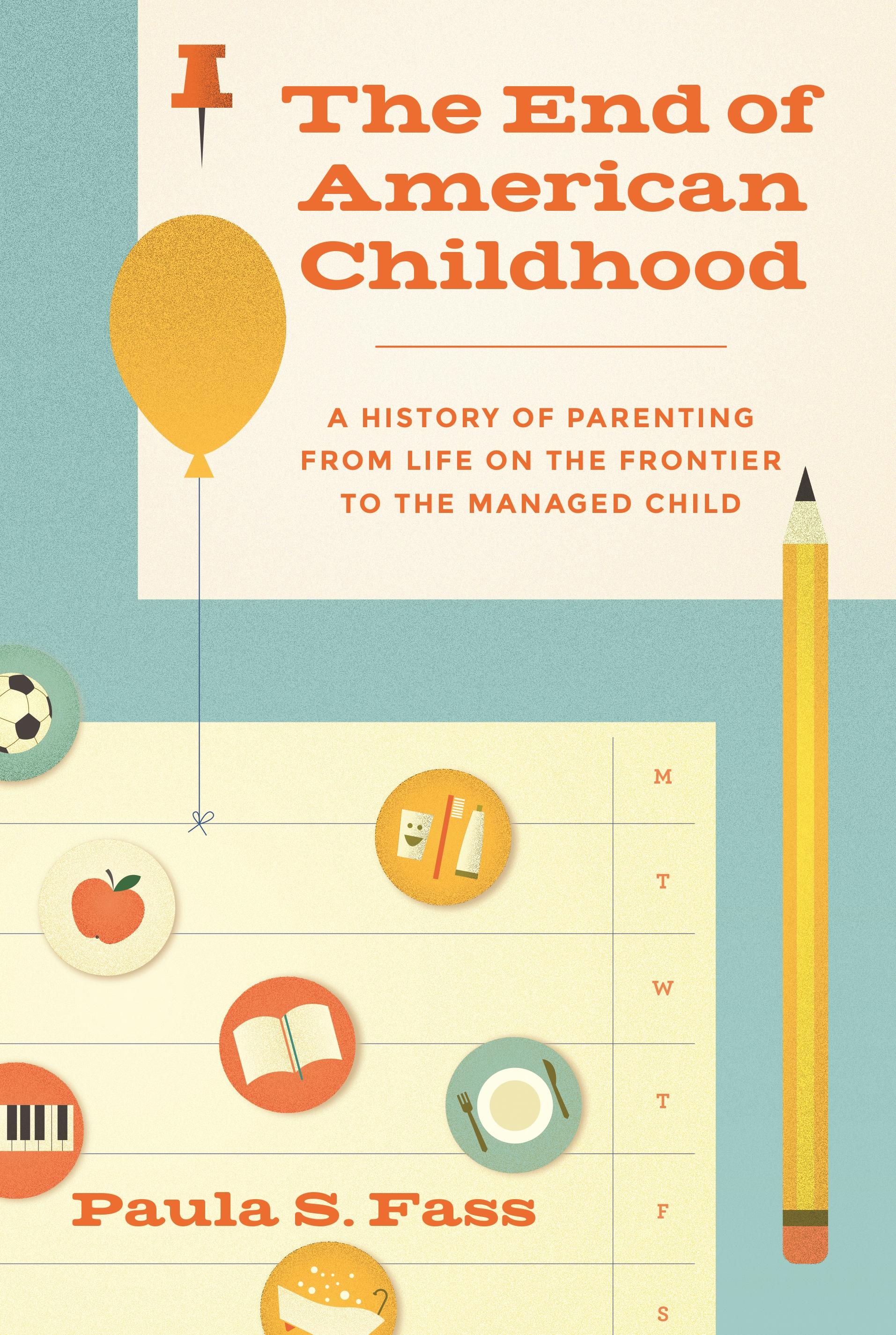
The End of American Childhood takes a sweeping look at the history of American childhood and parenting, from the nation's founding to the present day. Renowned historian Paula Fass shows how, since the beginning of the American republic, independence, self-definition, and individual success have informed Americans' attitudes toward children. But as parents today hover over every detail of their children's lives, are the qualities that once made American childhood special still desired or possible? Placing the experiences of children and parents against the backdrop of social, political, and cultural shifts, Fass challenges Americans to reconnect with the beliefs that set the American understanding of childhood apart from the rest of the world.
Fass examines how freer relationships between American children and parents transformed the national culture, altered generational relationships among immigrants, helped create a new science of child development, and promoted a revolution in modern schooling. She looks at the childhoods of icons including Margaret Mead and Ulysses S. Grant—who, as an eleven-year-old, was in charge of his father's fields and explored his rural Ohio countryside. Fass also features less well-known children like ten-year-old Rose Cohen, who worked in the drudgery of nineteenth-century factories. Bringing readers into the present, Fass argues that current American conditions and policies have made adolescence socially irrelevant and altered children's road to maturity, while parental oversight threatens children's competence and initiative.
Showing how American parenting has been firmly linked to historical changes, The End of American Childhood considers what implications this might hold for the nation's future.
Before Memmo my notes were scattered across PDFs. Now a workspace pulls everything into one place — I see exactly what's still left to study.
Memmo's summaries are gold before exams. I don't have to re-read 800 pages two weeks before — just the important parts.
The AI chat has saved me the night before an exam more than once. I just keep asking until I get it — no waiting on a study group to reply.
The quizzes hit exactly what I need to know. Memmo tracks what I get stuck on — so I only practice what's worth it.
Flashcards with spaced repetition are magic. Memmo knows when I'm about to forget something and brings it back.
The AI podcasts are my favorite. I listen on my way to school and get a recap without sitting at a computer.

Handbok i kvalitativa metoder
281 kr

Hållbar utveckling: en introduktion för ingenjörer och andra problemlösare
334 kr

Brymans Samhällsvetenskapliga metoder
390 kr

Projektledning
491 kr

Den orättvisa hälsan: om socioekonomiska skillnader i hälsa och livslängd
326 kr

Vetenskapsteori för nybörjare
196 kr

Organizational Leadership
429 kr

På väg mot läraryrket
172 kr

Det sociala livet i skolan: Socialpsykologiska perspektiv
253 kr

Betygsättningens didaktik
151 kr

Personality
402 kr

Studying Leadership
404 kr

Managing Innovation
477 kr

Introduktion till samhällsvetenskaplig metod
347 kr

The Psychology of Sex and Gender
698 kr

Evidens och kunskap för socialt arbete
207 kr

Introduction to Leadership
605 kr