
Before Memmo my notes were scattered across PDFs. Now a workspace pulls everything into one place — I see exactly what's still left to study.
A book that rewrites the history of American prosperity and inequality
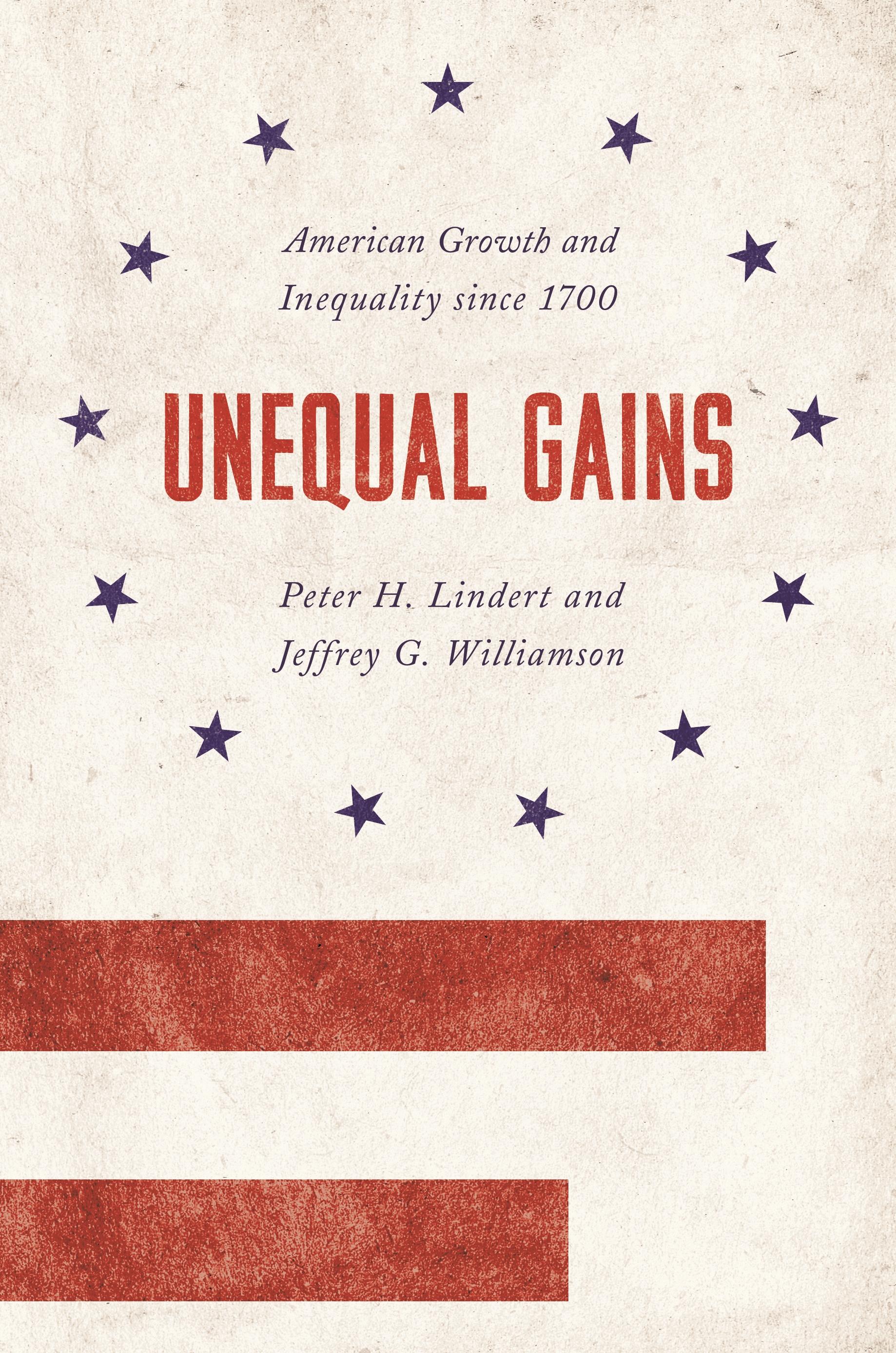
Unequal Gains offers a radically new understanding of the economic evolution of the United States, providing a complete picture of the uneven progress of America from colonial times to today.
While other economic historians base their accounts on American wealth, Peter Lindert and Jeffrey Williamson focus instead on income—and the result is a bold reassessment of the American economic experience. America has been exceptional in its rising inequality after an egalitarian start, but not in its long-run growth.
America had already achieved world income leadership by 1700, not just in the twentieth century as is commonly thought. Long before independence, American colonists enjoyed higher living standards than Britain—and America's income advantage today is no greater than it was three hundred years ago. But that advantage was lost during the Revolution, lost again during the Civil War, and lost a third time during the Great Depression, though it was regained after each crisis. In addition, Lindert and Williamson show how income inequality among Americans rose steeply in two great waves—from 1774 to 1860 and from the 1970s to today—rising more than in any other wealthy nation in the world. Unequal Gains also demonstrates how the widening income gaps have always touched every social group, from the richest to the poorest. The book sheds critical light on the forces that shaped American income history, and situates that history in a broad global context.
Economic writing at its most stimulating, Unequal Gains provides a vitally needed perspective on who has benefited most from American growth, and why.
Before Memmo my notes were scattered across PDFs. Now a workspace pulls everything into one place — I see exactly what's still left to study.
Memmo's summaries are gold before exams. I don't have to re-read 800 pages two weeks before — just the important parts.
The AI chat has saved me the night before an exam more than once. I just keep asking until I get it — no waiting on a study group to reply.
The quizzes hit exactly what I need to know. Memmo tracks what I get stuck on — so I only practice what's worth it.
Flashcards with spaced repetition are magic. Memmo knows when I'm about to forget something and brings it back.
The AI podcasts are my favorite. I listen on my way to school and get a recap without sitting at a computer.

Handbok i kvalitativa metoder
281 kr

Hållbar utveckling: en introduktion för ingenjörer och andra problemlösare
334 kr

Brymans Samhällsvetenskapliga metoder
390 kr

Projektledning
491 kr

Den orättvisa hälsan: om socioekonomiska skillnader i hälsa och livslängd
326 kr

Organizational Leadership
429 kr

Vetenskapsteori för nybörjare
196 kr

På väg mot läraryrket
172 kr

Det sociala livet i skolan: Socialpsykologiska perspektiv
253 kr

Betygsättningens didaktik
151 kr

Personality
402 kr

Studying Leadership
404 kr

Managing Innovation
477 kr

Introduktion till samhällsvetenskaplig metod
347 kr

The Psychology of Sex and Gender
698 kr

Evidens och kunskap för socialt arbete
207 kr

Introduction to Leadership
605 kr