
Before Memmo my notes were scattered across PDFs. Now a workspace pulls everything into one place — I see exactly what's still left to study.
How American industries rose to dominate the economic landscape in the twentieth century
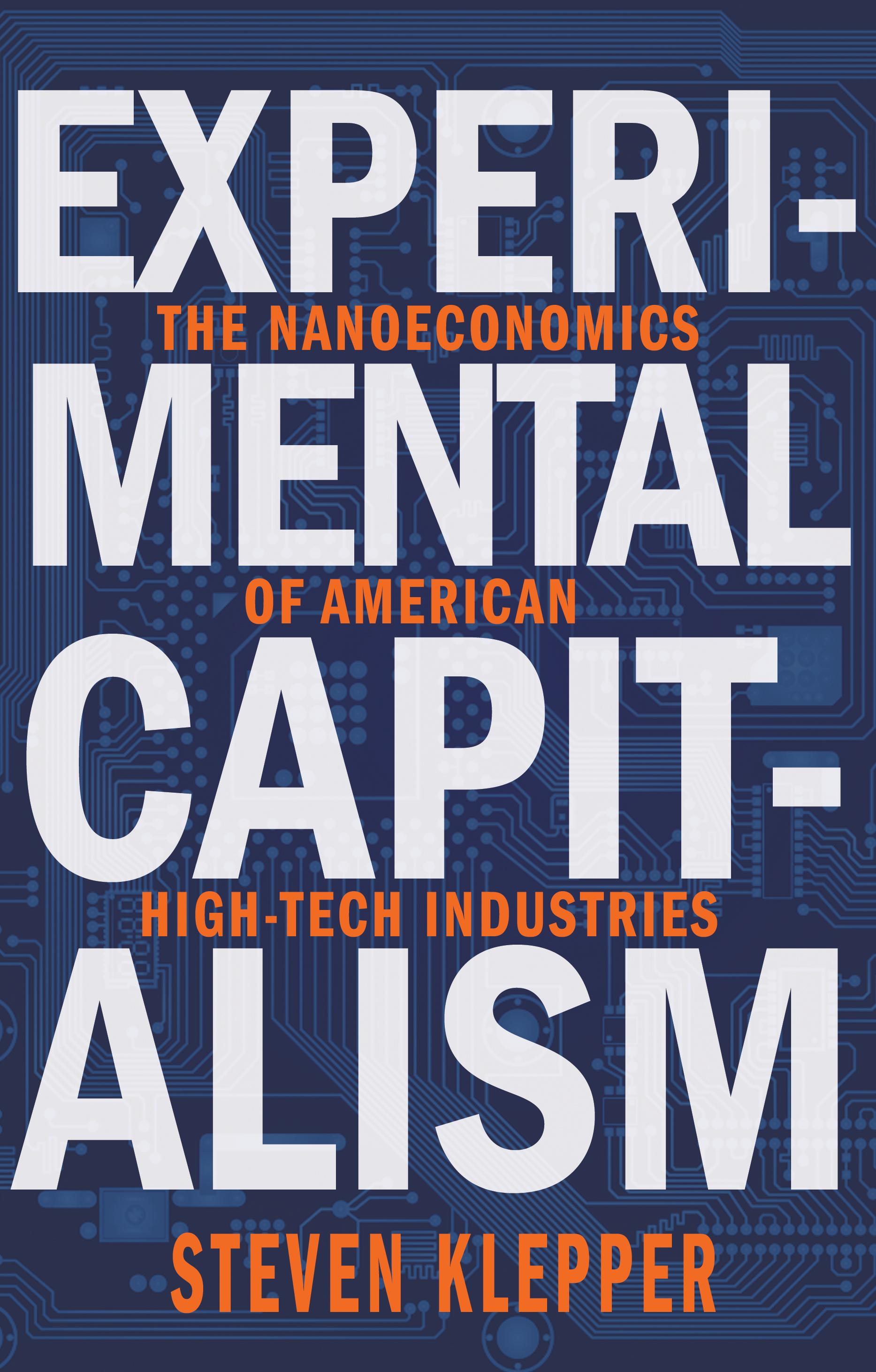
For much of the twentieth century, American corporations led the world in terms of technological progress. Why did certain industries have such great success? Experimental Capitalism examines six key industries—automobiles, pneumatic tires, television receivers, semiconductors, lasers, and penicillin—and tracks the highs and lows of American high-tech capitalism and the resulting innovation landscape. Employing "nanoeconomics"—a deep dive into the formation and functioning of companies—Steven Klepper determines how specific companies emerged to become the undisputed leaders that altered the course of their industry's evolution.
Klepper delves into why a small number of firms came to dominate their industries for many years after an initial period of tumult, including General Motors, Firestone, and Intel. Even though capitalism is built on the idea of competition among many, he shows how the innovation process naturally led to such dominance. Klepper explores how this domination influenced the search for further innovations. He also considers why industries cluster in specific geographical areas, such as semiconductors in northern California, cars in Detroit, and tires in Akron. He finds that early leading firms serve as involuntary training grounds for the next generation of entrepreneurs who spin off new firms into the surrounding region. Klepper concludes his study with a discussion of the impact of government and the potential for policy to enhance a nation’s high-tech industrial base.
A culmination of a lifetime of research and thought, Experimental Capitalism takes a dynamic look at how new ideas and innovations led to America’s economic primacy.
Before Memmo my notes were scattered across PDFs. Now a workspace pulls everything into one place — I see exactly what's still left to study.
Memmo's summaries are gold before exams. I don't have to re-read 800 pages two weeks before — just the important parts.
The AI chat has saved me the night before an exam more than once. I just keep asking until I get it — no waiting on a study group to reply.
The quizzes hit exactly what I need to know. Memmo tracks what I get stuck on — so I only practice what's worth it.
Flashcards with spaced repetition are magic. Memmo knows when I'm about to forget something and brings it back.
The AI podcasts are my favorite. I listen on my way to school and get a recap without sitting at a computer.

Handbok i kvalitativa metoder
281 kr

Hållbar utveckling: en introduktion för ingenjörer och andra problemlösare
334 kr

Brymans Samhällsvetenskapliga metoder
390 kr

Projektledning
491 kr

Den orättvisa hälsan: om socioekonomiska skillnader i hälsa och livslängd
326 kr

Vetenskapsteori för nybörjare
196 kr

Organizational Leadership
429 kr

På väg mot läraryrket
172 kr

Det sociala livet i skolan: Socialpsykologiska perspektiv
253 kr

Betygsättningens didaktik
151 kr

Personality
402 kr

Studying Leadership
404 kr

Managing Innovation
477 kr

Introduktion till samhällsvetenskaplig metod
347 kr

The Psychology of Sex and Gender
698 kr

Evidens och kunskap för socialt arbete
207 kr

Introduction to Leadership
605 kr