
Before Memmo my notes were scattered across PDFs. Now a workspace pulls everything into one place — I see exactly what's still left to study.
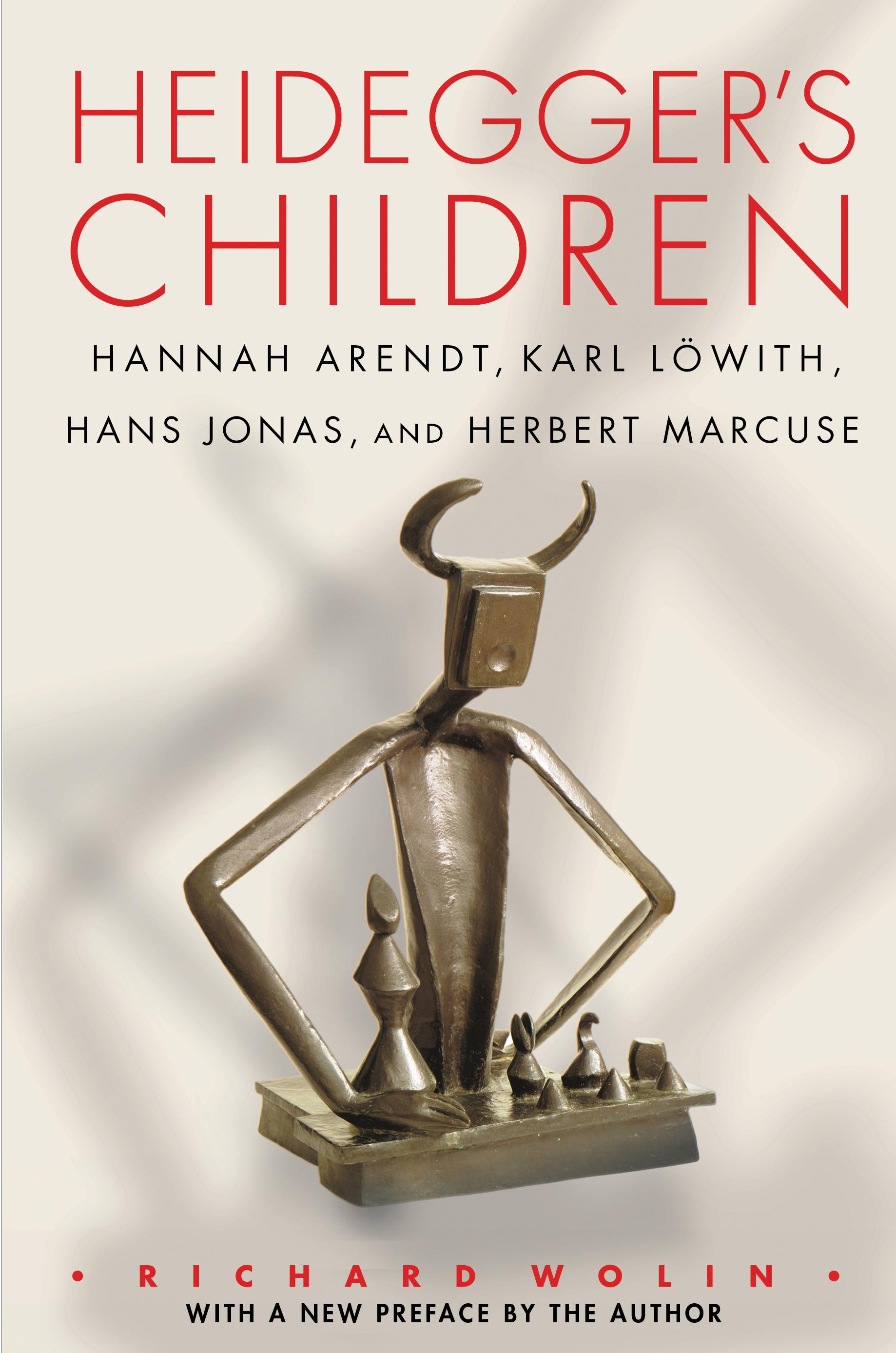
Martin Heidegger is perhaps the twentieth century's greatest philosopher, and his work stimulated much that is original and compelling in modern thought. A seductive classroom presence, he attracted Germany's brightest young intellects during the 1920s. Many were Jews, who ultimately would have to reconcile their philosophical and, often, personal commitments to Heidegger with his nefarious political views.
In 1933, Heidegger cast his lot with National Socialism. He squelched the careers of Jewish students and denounced fellow professors whom he considered insufficiently radical. For years, he signed letters and opened lectures with ''Heil Hitler!'' He paid dues to the Nazi party until the bitter end. Equally problematic for his former students were his sordid efforts to make existential thought serviceable to Nazi ends and his failure to ever renounce these actions.
This book explores how four of Heidegger's most influential Jewish students came to grips with his Nazi association and how it affected their thinking. Hannah Arendt, who was Heidegger's lover as well as his student, went on to become one of the century's greatest political thinkers. Karl Löwith returned to Germany in 1953 and quickly became one of its leading philosophers. Hans Jonas grew famous as Germany's premier philosopher of environmentalism. Herbert Marcuse gained celebrity as a Frankfurt School intellectual and mentor to the New Left.
Why did these brilliant minds fail to see what was in Heidegger's heart and Germany's future? How would they, after the war, reappraise Germany's intellectual traditions? Could they salvage aspects of Heidegger's thought? Would their philosophy reflect or completely reject their early studies? Could these Heideggerians forgive, or even try to understand, the betrayal of the man they so admired? Heidegger's Children locates these paradoxes in the wider cruel irony that European Jews experienced their greatest calamity immediately following their fullest assimilation. And it finds in their responses answers to questions about the nature of existential disillusionment and the juncture between politics and ideas.
Before Memmo my notes were scattered across PDFs. Now a workspace pulls everything into one place — I see exactly what's still left to study.
Memmo's summaries are gold before exams. I don't have to re-read 800 pages two weeks before — just the important parts.
The AI chat has saved me the night before an exam more than once. I just keep asking until I get it — no waiting on a study group to reply.
The quizzes hit exactly what I need to know. Memmo tracks what I get stuck on — so I only practice what's worth it.
Flashcards with spaced repetition are magic. Memmo knows when I'm about to forget something and brings it back.
The AI podcasts are my favorite. I listen on my way to school and get a recap without sitting at a computer.

Handbok i kvalitativa metoder
281 kr

Hållbar utveckling: en introduktion för ingenjörer och andra problemlösare
334 kr

Brymans Samhällsvetenskapliga metoder
390 kr

Projektledning
491 kr

Den orättvisa hälsan: om socioekonomiska skillnader i hälsa och livslängd
326 kr

Vetenskapsteori för nybörjare
196 kr

Organizational Leadership
429 kr

På väg mot läraryrket
172 kr

Det sociala livet i skolan: Socialpsykologiska perspektiv
253 kr

Betygsättningens didaktik
151 kr

Personality
402 kr

Studying Leadership
404 kr

Managing Innovation
477 kr

Introduktion till samhällsvetenskaplig metod
347 kr

The Psychology of Sex and Gender
698 kr

Evidens och kunskap för socialt arbete
207 kr

Introduction to Leadership
605 kr