
Before Memmo my notes were scattered across PDFs. Now a workspace pulls everything into one place — I see exactly what's still left to study.
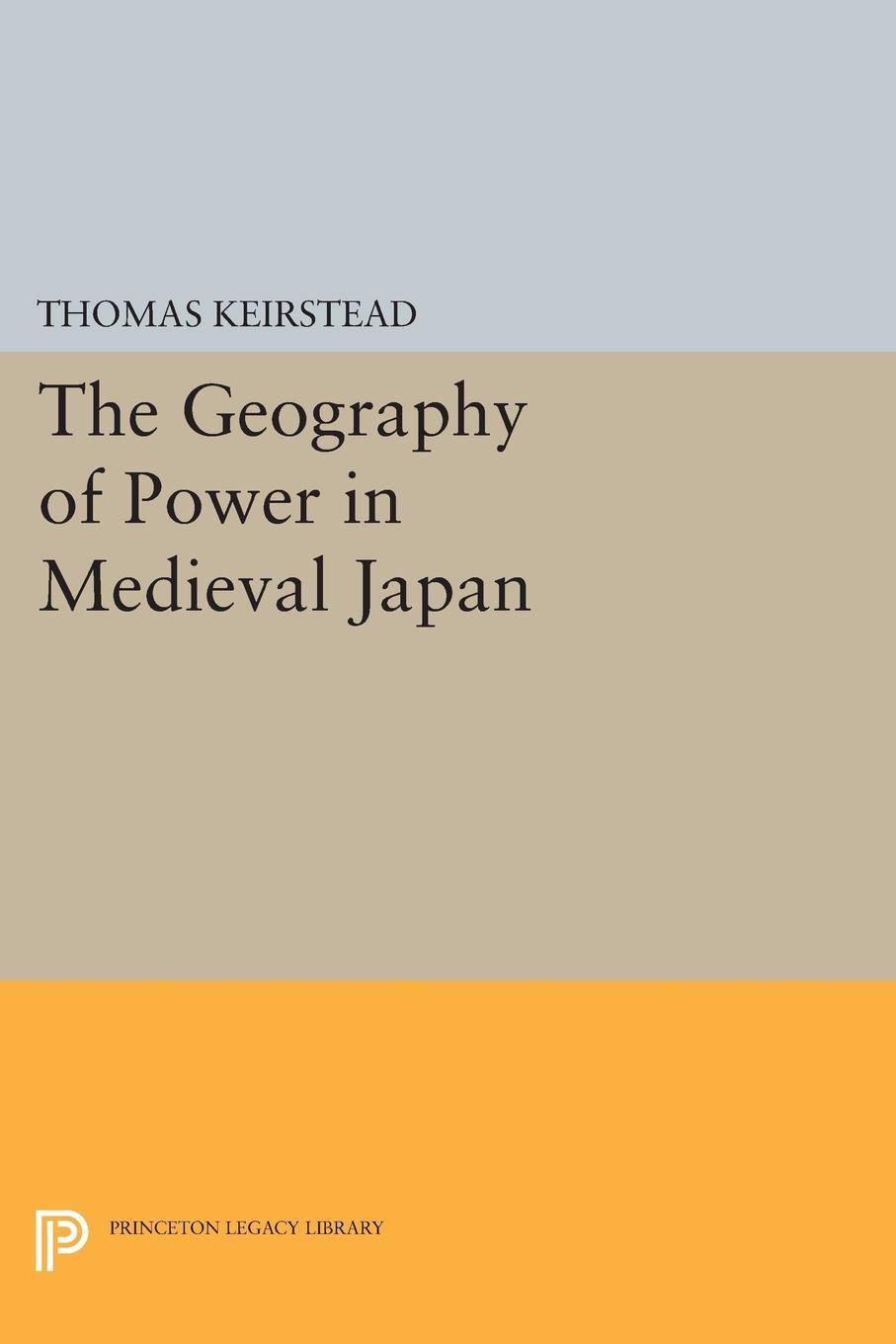
In this reevaluation of the estate system, which has long been recognized as the central economic institution of medieval Japan, Thomas Keirstead argues that estates, or shoen, constituted more than a type of landownership. Through an examination of rent rolls, land registers, maps, and other data describing individual estates he reveals a cultural framework, one that produced and shaped meaning for residents and proprietors. Keirstead's discussion of peasant uprisings shows that the system, however, did not define a stable, closed structure, but was built upon contested terrain. Drawing on the works of Foucault,de Certeau, and Geertz, among others,this book illuminates the presuppositions about space and society that underwrote estate holding. It traces how the system reordered the social and physical landscape, establishing identity for both rulers and subjects. Estate holders, seeking to counter the fluid movement of populations across estate boundaries, pressed into service a social distinction between "peasants" and "wanderers." Peasant rebels made use of the fiction that the estate comprised a natural community in order to resist proprietorial exactions. In these instances, Keirstead contends, the estate system reveals its governing logic: social and political divisions were articulated in spatial terms; power was exercised (and contested) through geography.
Originally published in 1992.
The Princeton Legacy Library uses the latest print-on-demand technology to again make available previously out-of-print books from the distinguished backlist of Princeton University Press. These editions preserve the original texts of these important books while presenting them in durable paperback and hardcover editions. The goal of the Princeton Legacy Library is to vastly increase access to the rich scholarly heritage found in the thousands of books published by Princeton University Press since its founding in 1905.
Before Memmo my notes were scattered across PDFs. Now a workspace pulls everything into one place — I see exactly what's still left to study.
Memmo's summaries are gold before exams. I don't have to re-read 800 pages two weeks before — just the important parts.
The AI chat has saved me the night before an exam more than once. I just keep asking until I get it — no waiting on a study group to reply.
The quizzes hit exactly what I need to know. Memmo tracks what I get stuck on — so I only practice what's worth it.
Flashcards with spaced repetition are magic. Memmo knows when I'm about to forget something and brings it back.
The AI podcasts are my favorite. I listen on my way to school and get a recap without sitting at a computer.

Handbok i kvalitativa metoder
281 kr

Hållbar utveckling: en introduktion för ingenjörer och andra problemlösare
334 kr

Brymans Samhällsvetenskapliga metoder
390 kr

Projektledning
491 kr

Den orättvisa hälsan: om socioekonomiska skillnader i hälsa och livslängd
326 kr

Vetenskapsteori för nybörjare
196 kr

Organizational Leadership
429 kr

På väg mot läraryrket
172 kr

Det sociala livet i skolan: Socialpsykologiska perspektiv
253 kr

Betygsättningens didaktik
151 kr

Personality
402 kr

Studying Leadership
404 kr

Managing Innovation
477 kr

Introduktion till samhällsvetenskaplig metod
347 kr

The Psychology of Sex and Gender
698 kr

Evidens och kunskap för socialt arbete
207 kr

Introduction to Leadership
605 kr