
Before Memmo my notes were scattered across PDFs. Now a workspace pulls everything into one place — I see exactly what's still left to study.
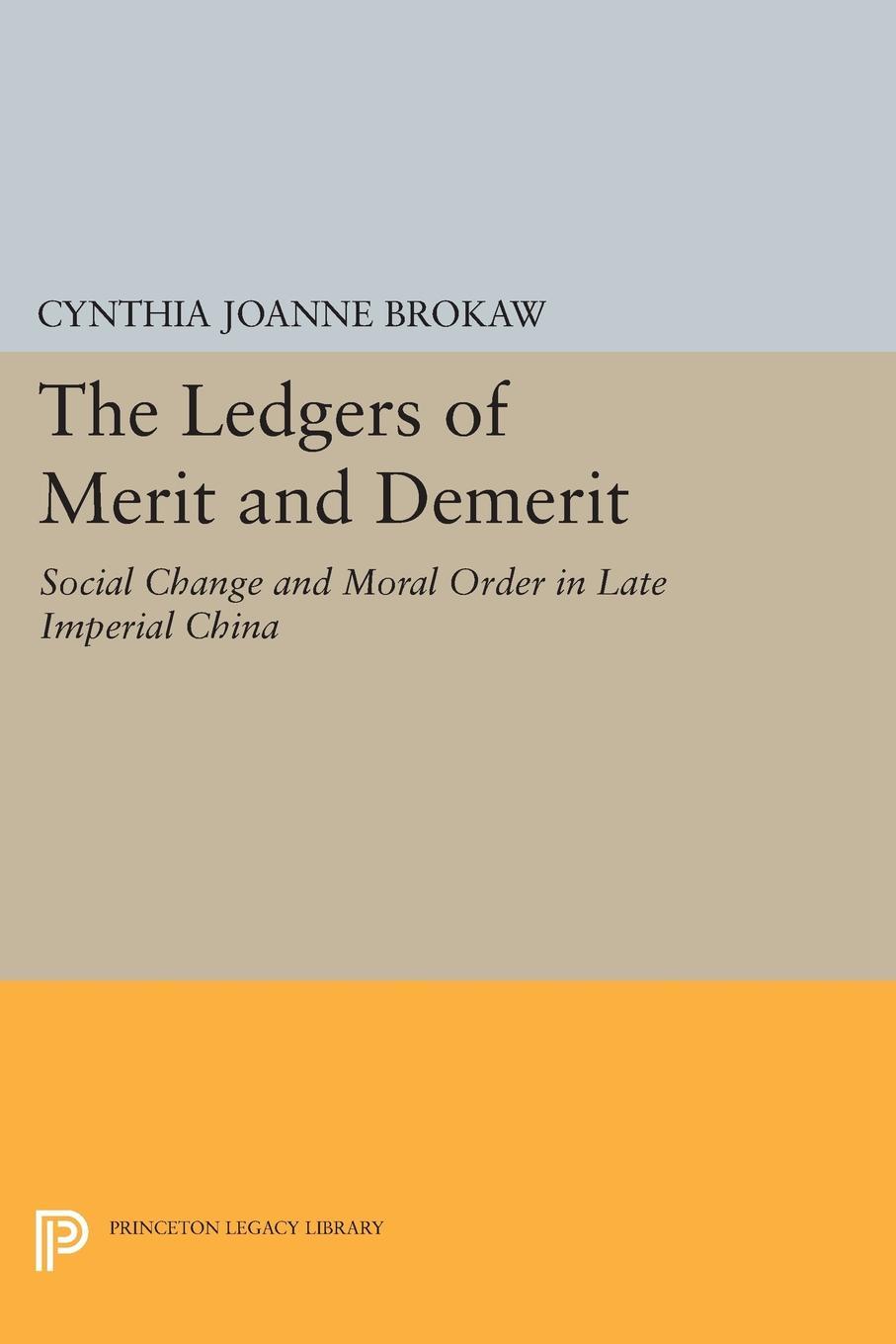
The ledgers of merit and demerit were a type of morality book that achieved sudden and widespread popularity in China during the sixteenth and seventeenth centuries. Consisting of lists of good and bad deeds, each assigned a certain number of merit or demerit points, the ledgers offered the hope of divine reward to users "good" enough to accumulate a substantial sum of merits. By examining the uses of the ledgers during the late Ming and early Qing periods, Cynthia Brokaw throws new light on the intellectual and social history of the late imperial era. The ledgers originally functioned as guides to salvation for twelfth-century Taoists and Buddhists, but Brokaw shows how the literati of turbulent sixteenth-century China began to use them as aids in the struggle for official status through civil service examinations. The author describes how the responses of some Confucian thinkers to the popularity of the ledgers not only refined the orthodox Neo-Confucian method of self-cultivation but also revealed the serious ambiguity of the classic Confucian understanding of the relationship between fate and human action. Finally, she demonstrates that by the end of the seventeenth century the ledgers were used not so much to facilitate upward mobility as to promote social stability by prescribing standards that encouraged people to keep to their social places.
Originally published in 1991.
The Princeton Legacy Library uses the latest print-on-demand technology to again make available previously out-of-print books from the distinguished backlist of Princeton University Press. These editions preserve the original texts of these important books while presenting them in durable paperback and hardcover editions. The goal of the Princeton Legacy Library is to vastly increase access to the rich scholarly heritage found in the thousands of books published by Princeton University Press since its founding in 1905.
Before Memmo my notes were scattered across PDFs. Now a workspace pulls everything into one place — I see exactly what's still left to study.
Memmo's summaries are gold before exams. I don't have to re-read 800 pages two weeks before — just the important parts.
The AI chat has saved me the night before an exam more than once. I just keep asking until I get it — no waiting on a study group to reply.
The quizzes hit exactly what I need to know. Memmo tracks what I get stuck on — so I only practice what's worth it.
Flashcards with spaced repetition are magic. Memmo knows when I'm about to forget something and brings it back.
The AI podcasts are my favorite. I listen on my way to school and get a recap without sitting at a computer.

Handbok i kvalitativa metoder
281 kr

Hållbar utveckling: en introduktion för ingenjörer och andra problemlösare
334 kr

Brymans Samhällsvetenskapliga metoder
390 kr

Projektledning
491 kr

Den orättvisa hälsan: om socioekonomiska skillnader i hälsa och livslängd
326 kr

Vetenskapsteori för nybörjare
196 kr

Organizational Leadership
429 kr

På väg mot läraryrket
172 kr

Det sociala livet i skolan: Socialpsykologiska perspektiv
253 kr

Betygsättningens didaktik
151 kr

Personality
402 kr

Studying Leadership
404 kr

Managing Innovation
477 kr

Introduktion till samhällsvetenskaplig metod
347 kr

The Psychology of Sex and Gender
698 kr

Evidens och kunskap för socialt arbete
207 kr

Introduction to Leadership
605 kr