
Before Memmo my notes were scattered across PDFs. Now a workspace pulls everything into one place — I see exactly what's still left to study.
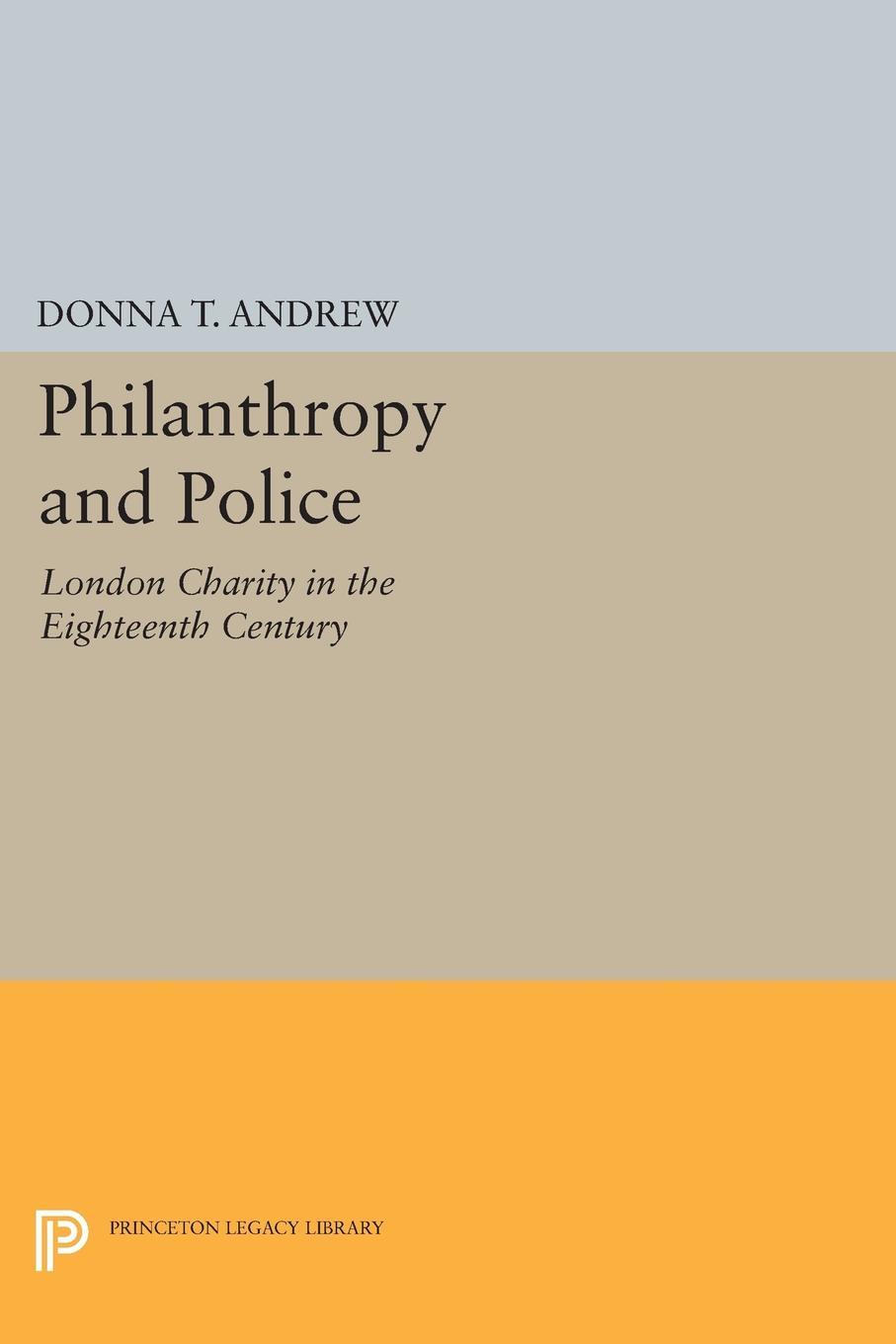
In this study of voluntary charities in eighteenth-century London, Donna Andrew reconsiders the adequacy of humanitarianism as an explanation for the wave of charitable theorizing and experimentation that characterized this period. Focusing on London, the most visible area of both destitution and social experimentation, this book examines the political as well as benevolent motives behind the great expansion of public institutions--nondenominational organizations seeking not only to relieve hardship, but to benefit the nation directly--funded and run by voluntary associations of citizens. The needs of police, the maintaining of civil order and the refining of society, were thought by many ordinary citizens to be central to the expansion of England's role in the world and to the upholding of the country's peace at home.
Drawing on previously unexplored and unsynthesized materials, this work reveals the interaction between charitable theorizing and practical efforts to improve the condition of the poor. The author argues that it is impossible to comprehend eighteenth-century charity without taking into account its perceived social utility, which altered as circumstances mandated. For example, the charities of the 1740s and 1750s, founded to aid in the strengthening of England's international supremacy, lost their public support as current opinions of England's most urgent needs changed. Creating and responding to new visions of what well-directed charities might accomplish, late-century philanthropists tried using charitable institutions to reknit what they believed was a badly damaged social fabric.
Originally published in 1989.
The Princeton Legacy Library uses the latest print-on-demand technology to again make available previously out-of-print books from the distinguished backlist of Princeton University Press. These editions preserve the original texts of these important books while presenting them in durable paperback and hardcover editions. The goal of the Princeton Legacy Library is to vastly increase access to the rich scholarly heritage found in the thousands of books published by Princeton University Press since its founding in 1905.
Before Memmo my notes were scattered across PDFs. Now a workspace pulls everything into one place — I see exactly what's still left to study.
Memmo's summaries are gold before exams. I don't have to re-read 800 pages two weeks before — just the important parts.
The AI chat has saved me the night before an exam more than once. I just keep asking until I get it — no waiting on a study group to reply.
The quizzes hit exactly what I need to know. Memmo tracks what I get stuck on — so I only practice what's worth it.
Flashcards with spaced repetition are magic. Memmo knows when I'm about to forget something and brings it back.
The AI podcasts are my favorite. I listen on my way to school and get a recap without sitting at a computer.

Handbok i kvalitativa metoder
281 kr

Hållbar utveckling: en introduktion för ingenjörer och andra problemlösare
334 kr

Brymans Samhällsvetenskapliga metoder
390 kr

Projektledning
491 kr

Den orättvisa hälsan: om socioekonomiska skillnader i hälsa och livslängd
326 kr

Organizational Leadership
429 kr

Vetenskapsteori för nybörjare
196 kr

På väg mot läraryrket
172 kr

Det sociala livet i skolan: Socialpsykologiska perspektiv
253 kr

Betygsättningens didaktik
151 kr

Personality
402 kr

Studying Leadership
404 kr

Managing Innovation
477 kr

Introduktion till samhällsvetenskaplig metod
347 kr

The Psychology of Sex and Gender
698 kr

Evidens och kunskap för socialt arbete
207 kr

Introduction to Leadership
605 kr