
Before Memmo my notes were scattered across PDFs. Now a workspace pulls everything into one place — I see exactly what's still left to study.
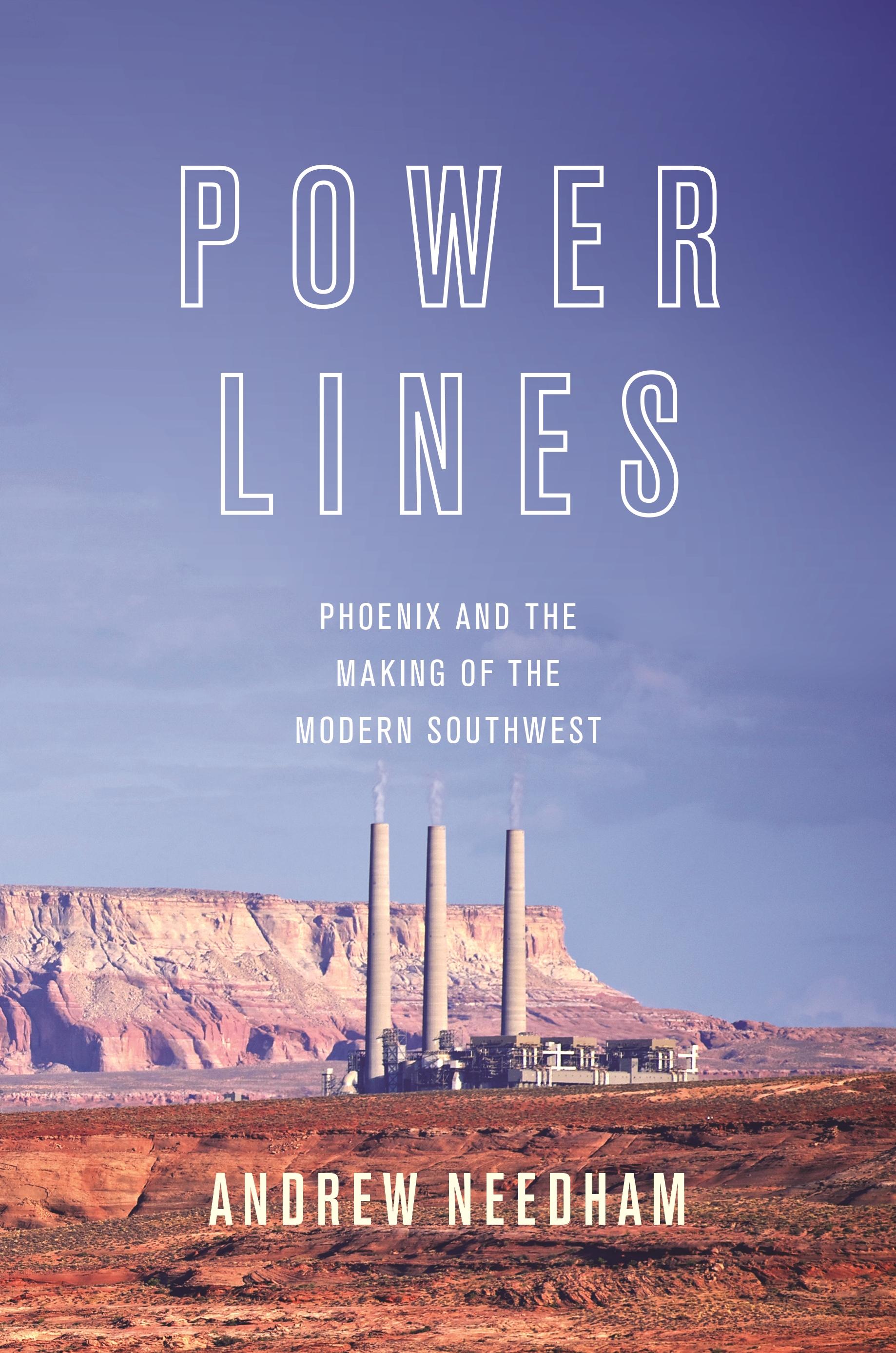
How high energy consumption transformed postwar Phoenix and deepened inequalities in the American Southwest
In 1940, Phoenix was a small, agricultural city of sixty-five thousand, and the Navajo Reservation was an open landscape of scattered sheepherders. Forty years later, Phoenix had blossomed into a metropolis of 1.5 million people and the territory of the Navajo Nation was home to two of the largest strip mines in the world. Five coal-burning power plants surrounded the reservation, generating electricity for export to Phoenix, Los Angeles, and other cities. Exploring the postwar developments of these two very different landscapes, Power Lines tells the story of the far-reaching environmental and social inequalities of metropolitan growth, and the roots of the contemporary coal-fueled climate change crisis.
Andrew Needham explains how inexpensive electricity became a requirement for modern life in Phoenix—driving assembly lines and cooling the oppressive heat. Navajo officials initially hoped energy development would improve their lands too, but as ash piles marked their landscape, air pollution filled the skies, and almost half of Navajo households remained without electricity, many Navajos came to view power lines as a sign of their subordination in the Southwest. Drawing together urban, environmental, and American Indian history, Needham demonstrates how power lines created unequal connections between distant landscapes and how environmental changes associated with suburbanization reached far beyond the metropolitan frontier. Needham also offers a new account of postwar inequality, arguing that residents of the metropolitan periphery suffered similar patterns of marginalization as those faced in America's inner cities.
Telling how coal from Indian lands became the fuel of modernity in the Southwest, Power Lines explores the dramatic effects that this energy system has had on the people and environment of the region.
Before Memmo my notes were scattered across PDFs. Now a workspace pulls everything into one place — I see exactly what's still left to study.
Memmo's summaries are gold before exams. I don't have to re-read 800 pages two weeks before — just the important parts.
The AI chat has saved me the night before an exam more than once. I just keep asking until I get it — no waiting on a study group to reply.
The quizzes hit exactly what I need to know. Memmo tracks what I get stuck on — so I only practice what's worth it.
Flashcards with spaced repetition are magic. Memmo knows when I'm about to forget something and brings it back.
The AI podcasts are my favorite. I listen on my way to school and get a recap without sitting at a computer.

Handbok i kvalitativa metoder
281 kr

Hållbar utveckling: en introduktion för ingenjörer och andra problemlösare
334 kr

Brymans Samhällsvetenskapliga metoder
390 kr

Projektledning
491 kr

Den orättvisa hälsan: om socioekonomiska skillnader i hälsa och livslängd
326 kr

Organizational Leadership
429 kr

Vetenskapsteori för nybörjare
196 kr

På väg mot läraryrket
172 kr

Det sociala livet i skolan: Socialpsykologiska perspektiv
253 kr

Betygsättningens didaktik
151 kr

Personality
402 kr

Studying Leadership
404 kr

Managing Innovation
477 kr

Introduktion till samhällsvetenskaplig metod
347 kr

The Psychology of Sex and Gender
698 kr

Evidens och kunskap för socialt arbete
207 kr

Introduction to Leadership
605 kr