
Before Memmo my notes were scattered across PDFs. Now a workspace pulls everything into one place — I see exactly what's still left to study.
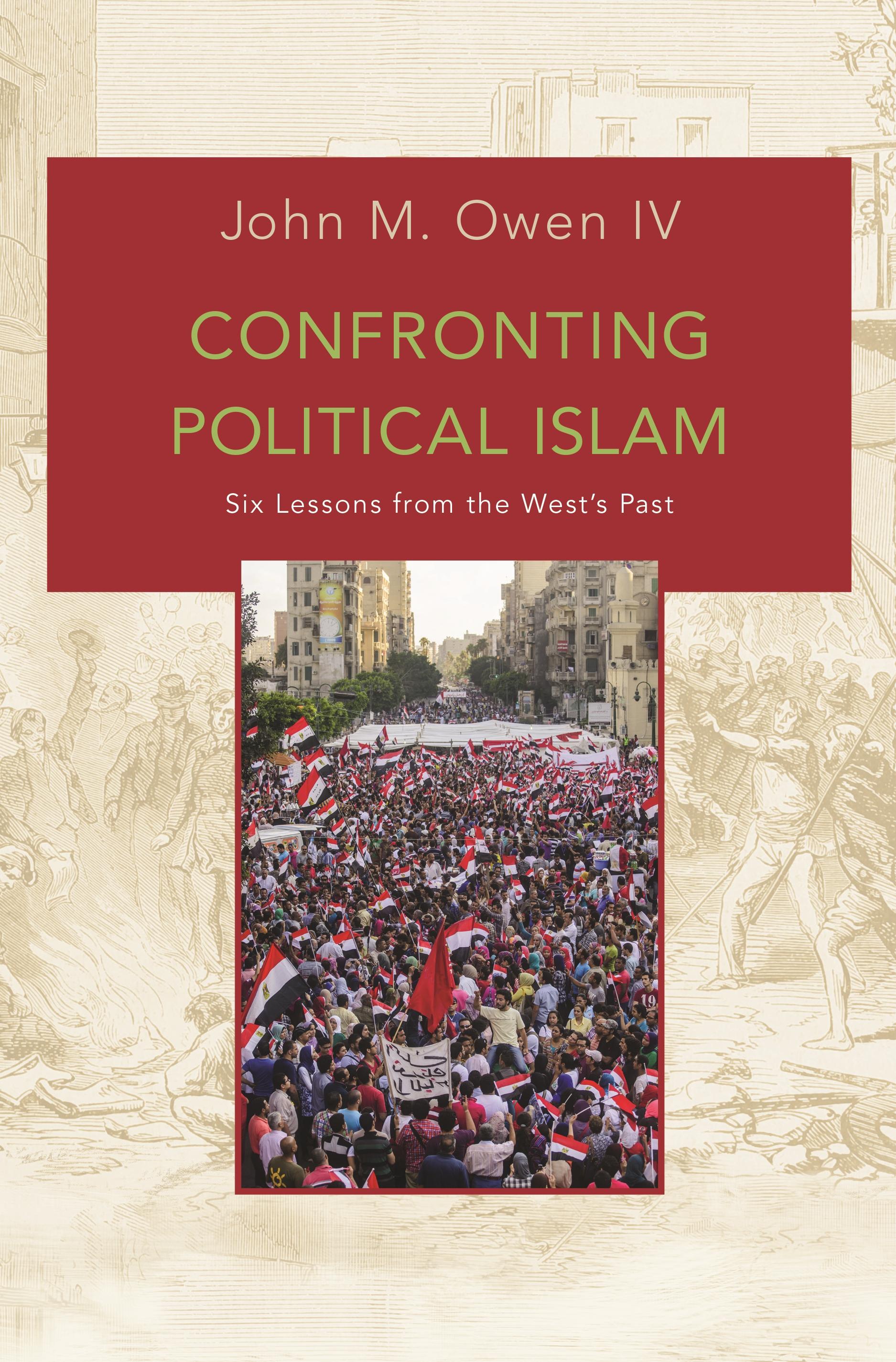
How the conflicts of Western history shed light on current upheavals in the Middle East
Political Islam has often been compared to ideological movements of the past such as fascism or Christian theocracy. But are such analogies valid? How should the Western world today respond to the challenges of political Islam? Taking an original approach to answer this question, Confronting Political Islam compares Islamism's struggle with secularism to other prolonged ideological clashes in Western history. By examining the past conflicts that have torn Europe and the Americas—and how they have been supported by underground networks, fomented radicalism and revolution, and triggered foreign interventions and international conflicts—John Owen draws six major lessons to demonstrate that much of what we think about political Islam is wrong.
Owen focuses on the origins and dynamics of twentieth-century struggles among Communism, Fascism, and liberal democracy; the late eighteenth- and nineteenth-century contests between monarchism and republicanism; and the sixteenth- and seventeenth-century wars of religion between Catholics, Lutherans, Calvinists, and others. Owen then applies principles learned from the successes and mistakes of governments during these conflicts to the contemporary debates embroiling the Middle East. He concludes that ideological struggles last longer than most people presume; ideologies are not monolithic; foreign interventions are the norm; a state may be both rational and ideological; an ideology wins when states that exemplify it outperform other states across a range of measures; and the ideology that wins may be a surprise.
Looking at the history of the Western world itself and the fraught questions over how societies should be ordered, Confronting Political Islam upends some of the conventional wisdom about the current upheavals in the Muslim world.
Before Memmo my notes were scattered across PDFs. Now a workspace pulls everything into one place — I see exactly what's still left to study.
Memmo's summaries are gold before exams. I don't have to re-read 800 pages two weeks before — just the important parts.
The AI chat has saved me the night before an exam more than once. I just keep asking until I get it — no waiting on a study group to reply.
The quizzes hit exactly what I need to know. Memmo tracks what I get stuck on — so I only practice what's worth it.
Flashcards with spaced repetition are magic. Memmo knows when I'm about to forget something and brings it back.
The AI podcasts are my favorite. I listen on my way to school and get a recap without sitting at a computer.

Handbok i kvalitativa metoder
281 kr

Hållbar utveckling: en introduktion för ingenjörer och andra problemlösare
334 kr

Brymans Samhällsvetenskapliga metoder
390 kr

Projektledning
491 kr

Den orättvisa hälsan: om socioekonomiska skillnader i hälsa och livslängd
326 kr

Vetenskapsteori för nybörjare
196 kr

Organizational Leadership
429 kr

På väg mot läraryrket
172 kr

Det sociala livet i skolan: Socialpsykologiska perspektiv
253 kr

Betygsättningens didaktik
151 kr

Personality
402 kr

Studying Leadership
404 kr

Managing Innovation
477 kr

Introduktion till samhällsvetenskaplig metod
347 kr

The Psychology of Sex and Gender
698 kr

Evidens och kunskap för socialt arbete
207 kr

Introduction to Leadership
605 kr