
Before Memmo my notes were scattered across PDFs. Now a workspace pulls everything into one place — I see exactly what's still left to study.
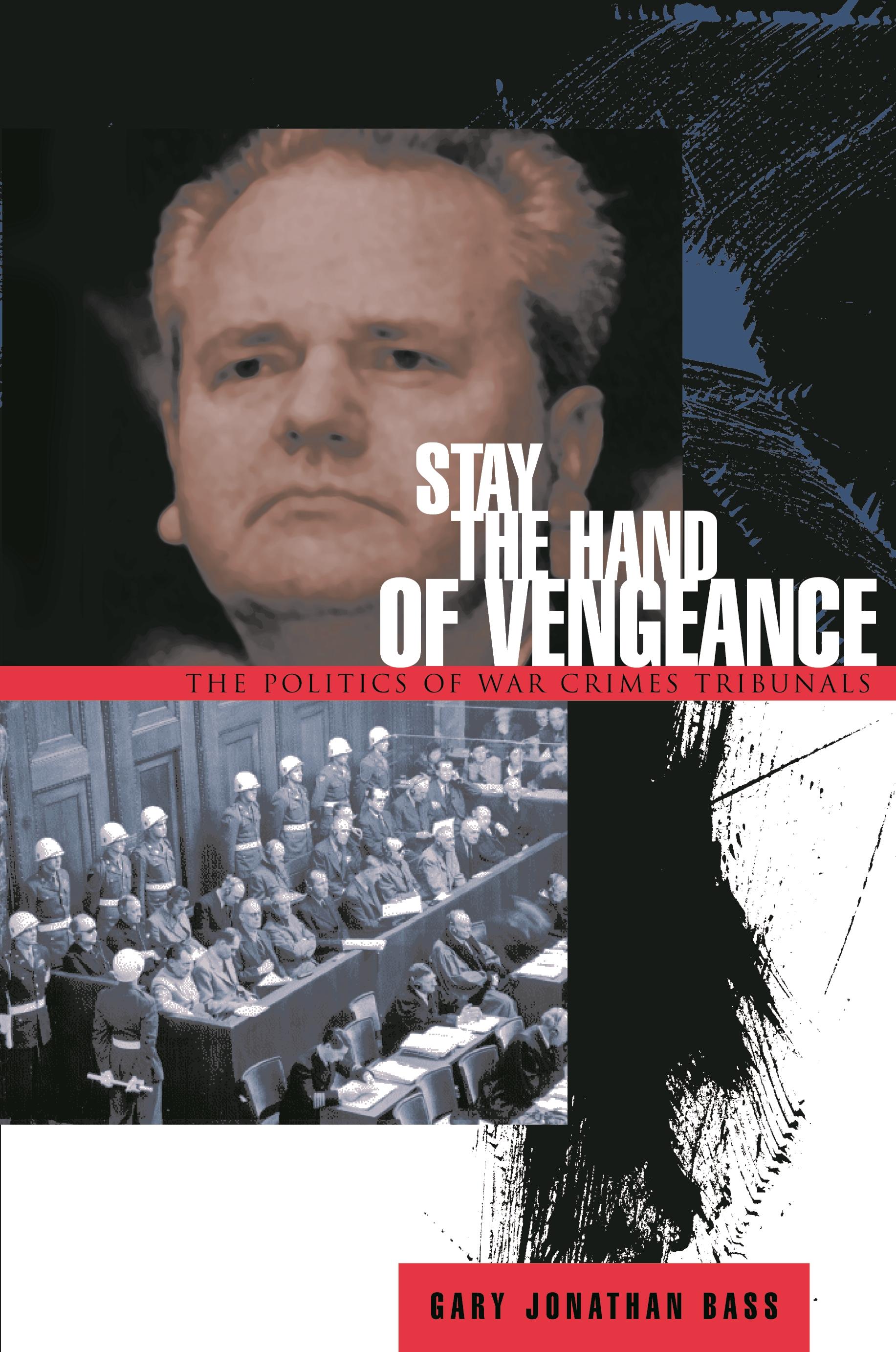
International justice has become a crucial part of the ongoing political debates about the future of shattered societies like Bosnia, Kosovo, Rwanda, Cambodia, and Chile. Why do our governments sometimes display such striking idealism in the face of war crimes and atrocities abroad, and at other times cynically abandon the pursuit of international justice altogether? Why today does justice seem so slow to come for war crimes victims in the Balkans? In this book, Gary Bass offers an unprecedented look at the politics behind international war crimes tribunals, combining analysis with investigative reporting and a broad historical perspective. The Nuremberg trials powerfully demonstrated how effective war crimes tribunals can be. But there have been many other important tribunals that have not been as successful, and which have been largely left out of today's debates about international justice. This timely book brings them in, using primary documents to examine the aftermath of the Napoleonic Wars, World War I, the Armenian genocide, World War II, and the recent wars in the former Yugoslavia.
Bass explains that bringing war criminals to justice can be a military ordeal, a source of endless legal frustration, as well as a diplomatic nightmare. The book takes readers behind the scenes to see vividly how leaders like David Lloyd George, Winston Churchill, Franklin Roosevelt, and Bill Clinton have wrestled with these agonizing moral dilemmas. The book asks how law and international politics interact, and how power can be made to serve the cause of justice.
Bass brings new archival research to bear on such events as the prosecution of the Armenian genocide, presenting surprising episodes that add to the historical record. His sections on the former Yugoslavia tell--with important new discoveries--the secret story of the politicking behind the prosecution of war crimes in Bosnia, drawing on interviews with senior White House officials, key diplomats, and chief prosecutors at the war crimes tribunal for the former Yugoslavia. Bass concludes that despite the obstacles, legalistic justice for war criminals is nonetheless worth pursuing. His arguments will interest anyone concerned about human rights and the pursuit of idealism in international politics.
Before Memmo my notes were scattered across PDFs. Now a workspace pulls everything into one place — I see exactly what's still left to study.
Memmo's summaries are gold before exams. I don't have to re-read 800 pages two weeks before — just the important parts.
The AI chat has saved me the night before an exam more than once. I just keep asking until I get it — no waiting on a study group to reply.
The quizzes hit exactly what I need to know. Memmo tracks what I get stuck on — so I only practice what's worth it.
Flashcards with spaced repetition are magic. Memmo knows when I'm about to forget something and brings it back.
The AI podcasts are my favorite. I listen on my way to school and get a recap without sitting at a computer.

Handbok i kvalitativa metoder
281 kr

Hållbar utveckling: en introduktion för ingenjörer och andra problemlösare
334 kr

Brymans Samhällsvetenskapliga metoder
390 kr

Projektledning
491 kr

Den orättvisa hälsan: om socioekonomiska skillnader i hälsa och livslängd
326 kr

Vetenskapsteori för nybörjare
196 kr

Organizational Leadership
429 kr

På väg mot läraryrket
172 kr

Det sociala livet i skolan: Socialpsykologiska perspektiv
253 kr

Betygsättningens didaktik
151 kr

Personality
402 kr

Studying Leadership
404 kr

Managing Innovation
477 kr

Introduktion till samhällsvetenskaplig metod
347 kr

The Psychology of Sex and Gender
698 kr

Evidens och kunskap för socialt arbete
207 kr

Introduction to Leadership
605 kr