
Before Memmo my notes were scattered across PDFs. Now a workspace pulls everything into one place — I see exactly what's still left to study.
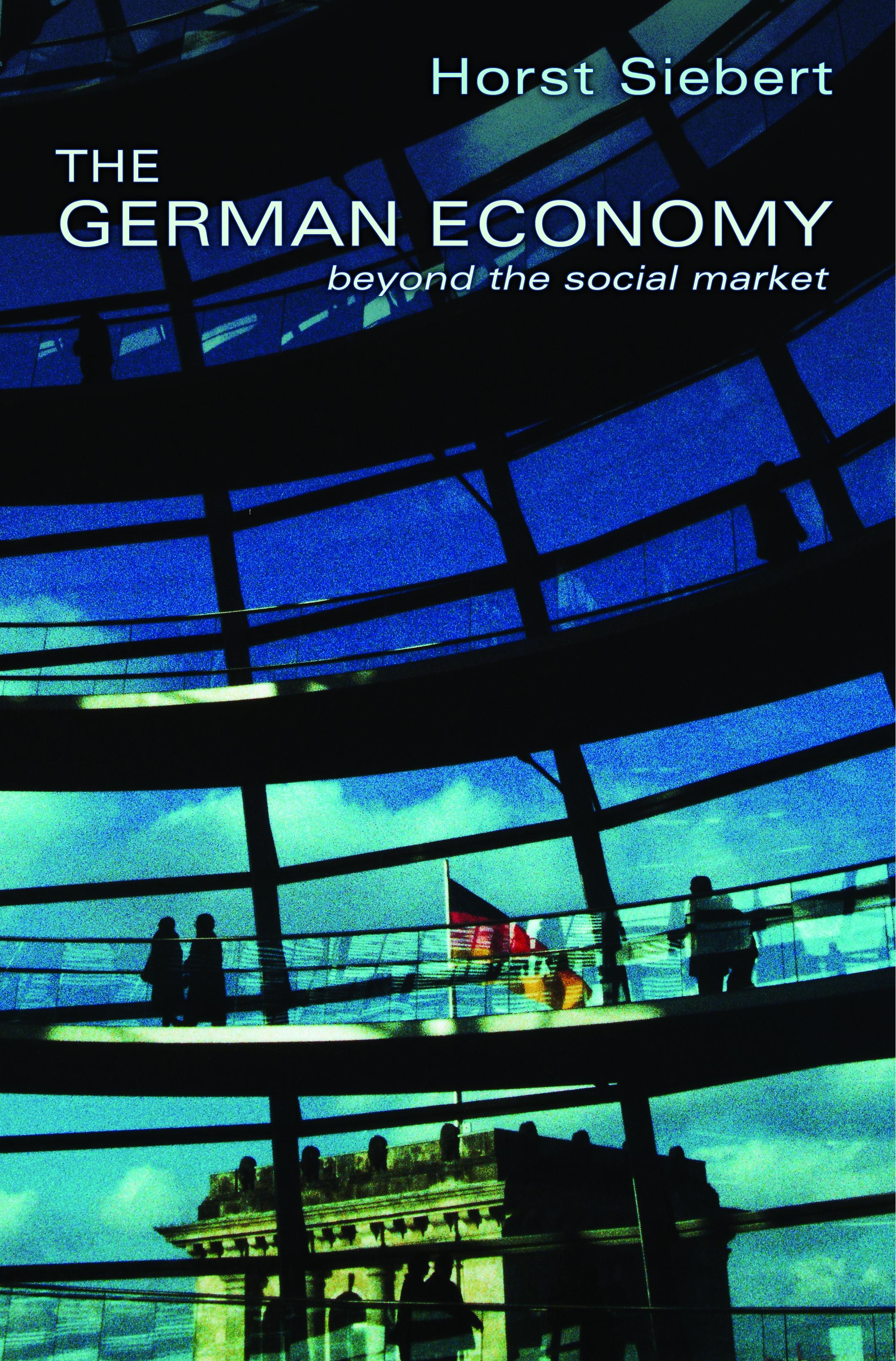
In this book, one of Germany's most influential economists describes his country's economy, the largest in the European Union and the third largest in the world, and analyzes its weaknesses: poor GDP growth performance, high unemployment due to a malfunctioning labor market, and an unsustainable social security system. Horst Siebert spells out the reforms necessary to overcome these shortcomings. Taking a broader view than other recent books on the German economy, he considers Germany's fiscal policy stance, product market regulation, capital market, environmental policy, aging and immigration policies, and its system for human capital formation as well as Germany's role in the European Union, including the euro zone.
Germany's system of economic governance emerges as a common theme as Siebert examines why this onetime economic powerhouse is today a faltering giant. He argues that what Germany needs, above all, is a market renaissance; that it must throw off the shackles of its social welfare economy and of its hallmark consensus approach, whereby group-based cooperative decision-making has undermined competition and markets. In doing so he examines both the country's social security system and its labor market, including trade unions. His focus throughout is on Germany's present concerns, foreseeable future problems, and long-term policy issues.
The definitive word on the postwar German economy to the present day, The German Economy is essential reading for economists and finance professionals as well as students, researchers, and others interested in modern-day Germany and its place and prospects at the heart of Europe.
Before Memmo my notes were scattered across PDFs. Now a workspace pulls everything into one place — I see exactly what's still left to study.
Memmo's summaries are gold before exams. I don't have to re-read 800 pages two weeks before — just the important parts.
The AI chat has saved me the night before an exam more than once. I just keep asking until I get it — no waiting on a study group to reply.
The quizzes hit exactly what I need to know. Memmo tracks what I get stuck on — so I only practice what's worth it.
Flashcards with spaced repetition are magic. Memmo knows when I'm about to forget something and brings it back.
The AI podcasts are my favorite. I listen on my way to school and get a recap without sitting at a computer.

Handbok i kvalitativa metoder
281 kr

Hållbar utveckling: en introduktion för ingenjörer och andra problemlösare
334 kr

Brymans Samhällsvetenskapliga metoder
390 kr

Projektledning
491 kr

Den orättvisa hälsan: om socioekonomiska skillnader i hälsa och livslängd
326 kr

Vetenskapsteori för nybörjare
196 kr

Organizational Leadership
429 kr

På väg mot läraryrket
172 kr

Det sociala livet i skolan: Socialpsykologiska perspektiv
253 kr

Betygsättningens didaktik
151 kr

Personality
402 kr

Studying Leadership
404 kr

Managing Innovation
477 kr

Introduktion till samhällsvetenskaplig metod
347 kr

The Psychology of Sex and Gender
698 kr

Evidens och kunskap för socialt arbete
207 kr

Introduction to Leadership
605 kr