
Before Memmo my notes were scattered across PDFs. Now a workspace pulls everything into one place — I see exactly what's still left to study.
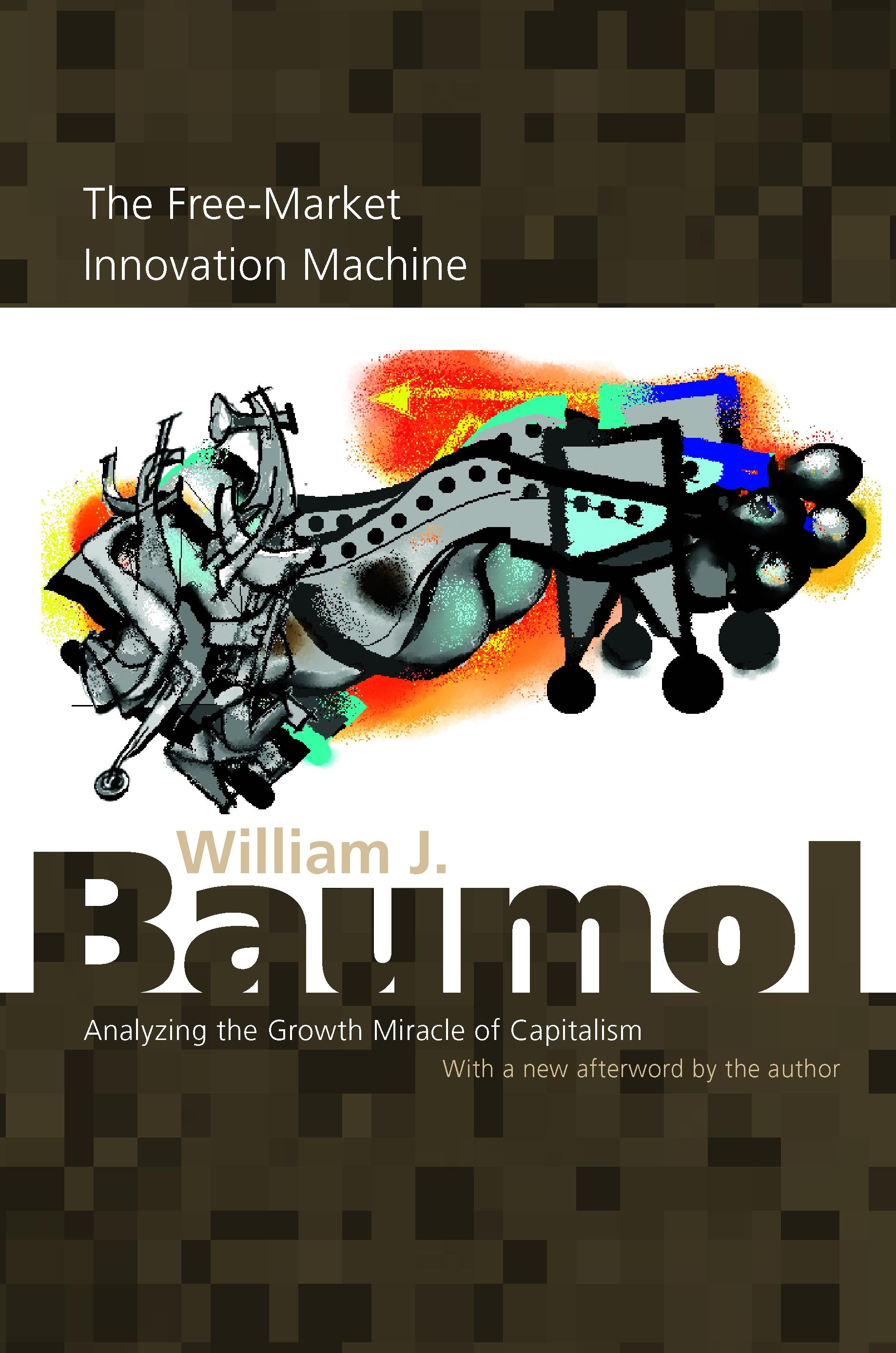
Why has capitalism produced economic growth that so vastly dwarfs the growth record of other economic systems, past and present? Why have living standards in countries from America to Germany to Japan risen exponentially over the past century? William Baumol rejects the conventional view that capitalism benefits society through price competition--that is, products and services become less costly as firms vie for consumers. Where most others have seen this as the driving force behind growth, he sees something different--a compound of systematic innovation activity within the firm, an arms race in which no firm in an innovating industry dares to fall behind the others in new products and processes, and inter-firm collaboration in the creation and use of innovations.
While giving price competition due credit, Baumol stresses that large firms use innovation as a prime competitive weapon. However, as he explains it, firms do not wish to risk too much innovation, because it is costly, and can be made obsolete by rival innovation. So firms have split the difference through the sale of technology licenses and participation in technology-sharing compacts that pay huge dividends to the economy as a whole--and thereby made innovation a routine feature of economic life. This process, in Baumol's view, accounts for the unparalleled growth of modern capitalist economies. Drawing on extensive research and years of consulting work for many large global firms, Baumol shows in this original work that the capitalist growth process, at least in societies where the rule of law prevails, comes far closer to the requirements of economic efficiency than is typically understood.
Resounding with rare intellectual force, this book marks a milestone in the comprehension of the accomplishments of our free-market economic system--a new understanding that, suggests the author, promises to benefit many countries that lack the advantages of this immense innovation machine.
Before Memmo my notes were scattered across PDFs. Now a workspace pulls everything into one place — I see exactly what's still left to study.
Memmo's summaries are gold before exams. I don't have to re-read 800 pages two weeks before — just the important parts.
The AI chat has saved me the night before an exam more than once. I just keep asking until I get it — no waiting on a study group to reply.
The quizzes hit exactly what I need to know. Memmo tracks what I get stuck on — so I only practice what's worth it.
Flashcards with spaced repetition are magic. Memmo knows when I'm about to forget something and brings it back.
The AI podcasts are my favorite. I listen on my way to school and get a recap without sitting at a computer.

Handbok i kvalitativa metoder
281 kr

Hållbar utveckling: en introduktion för ingenjörer och andra problemlösare
334 kr

Brymans Samhällsvetenskapliga metoder
390 kr

Projektledning
491 kr

Den orättvisa hälsan: om socioekonomiska skillnader i hälsa och livslängd
326 kr

Vetenskapsteori för nybörjare
196 kr

Organizational Leadership
429 kr

På väg mot läraryrket
172 kr

Det sociala livet i skolan: Socialpsykologiska perspektiv
253 kr

Betygsättningens didaktik
151 kr

Personality
402 kr

Studying Leadership
404 kr

Managing Innovation
477 kr

Introduktion till samhällsvetenskaplig metod
347 kr

The Psychology of Sex and Gender
698 kr

Evidens och kunskap för socialt arbete
207 kr

Introduction to Leadership
605 kr