
Before Memmo my notes were scattered across PDFs. Now a workspace pulls everything into one place — I see exactly what's still left to study.
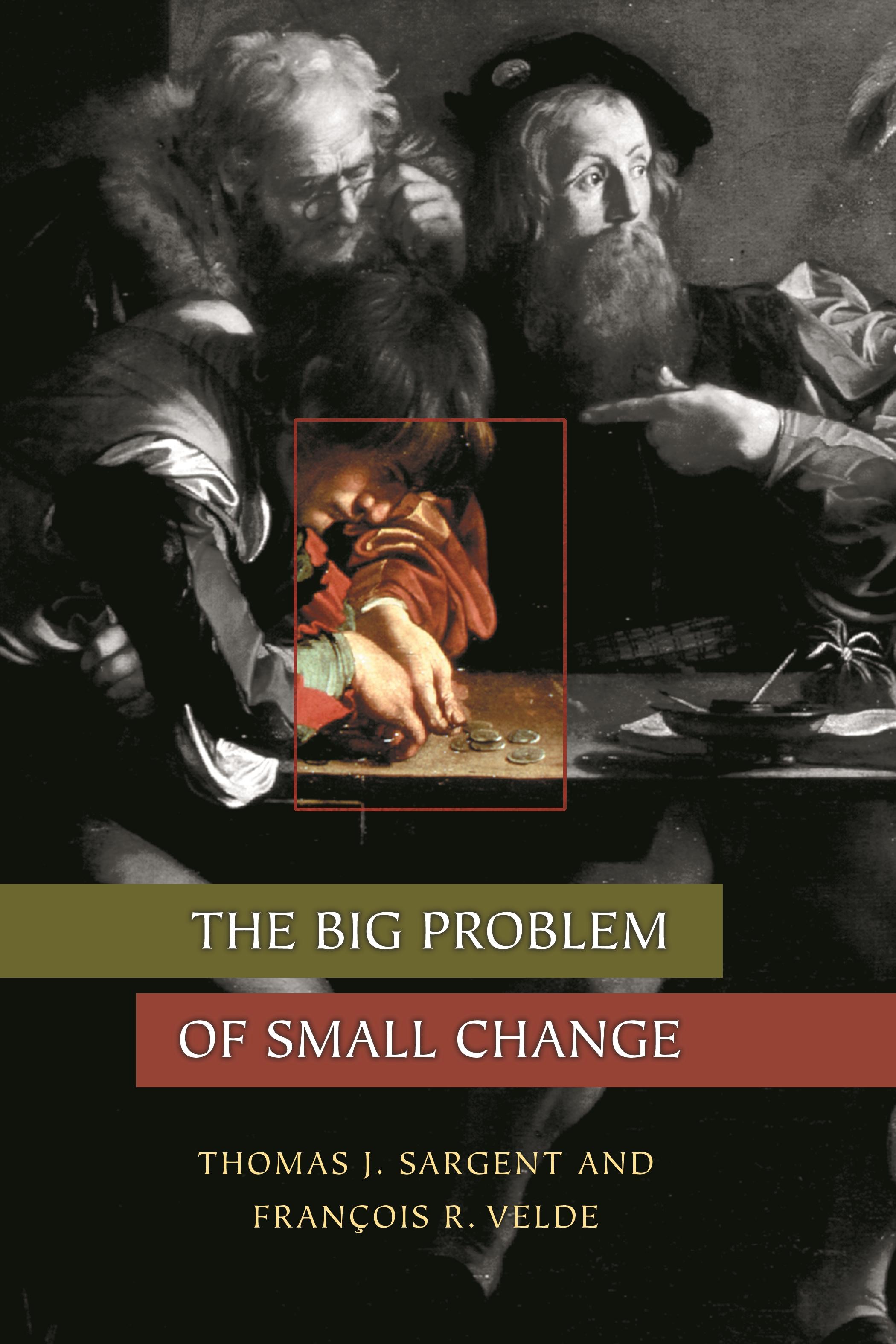
The Big Problem of Small Change offers the first credible and analytically sound explanation of how a problem that dogged monetary authorities for hundreds of years was finally solved. Two leading economists, Thomas Sargent and François Velde, examine the evolution of Western European economies through the lens of one of the classic problems of monetary history--the recurring scarcity and depreciation of small change. Through penetrating and clearly worded analysis, they tell the story of how monetary technologies, doctrines, and practices evolved from 1300 to 1850; of how the "standard formula" was devised to address an age-old dilemma without causing inflation.
One big problem had long plagued commodity money (that is, money literally worth its weight in gold): governments were hard-pressed to provide a steady supply of small change because of its high costs of production. The ensuing shortages hampered trade and, paradoxically, resulted in inflation and depreciation of small change. After centuries of technological progress that limited counterfeiting, in the nineteenth century governments replaced the small change in use until then with fiat money (money not literally equal to the value claimed for it)--ensuring a secure flow of small change. But this was not all. By solving this problem, suggest Sargent and Velde, modern European states laid the intellectual and practical basis for the diverse forms of money that make the world go round today.
This keenly argued, richly imaginative, and attractively illustrated study presents a comprehensive history and theory of small change. The authors skillfully convey the intuition that underlies their rigorous analysis. All those intrigued by monetary history will recognize this book for the standard that it is.
Before Memmo my notes were scattered across PDFs. Now a workspace pulls everything into one place — I see exactly what's still left to study.
Memmo's summaries are gold before exams. I don't have to re-read 800 pages two weeks before — just the important parts.
The AI chat has saved me the night before an exam more than once. I just keep asking until I get it — no waiting on a study group to reply.
The quizzes hit exactly what I need to know. Memmo tracks what I get stuck on — so I only practice what's worth it.
Flashcards with spaced repetition are magic. Memmo knows when I'm about to forget something and brings it back.
The AI podcasts are my favorite. I listen on my way to school and get a recap without sitting at a computer.

Handbok i kvalitativa metoder
281 kr

Hållbar utveckling: en introduktion för ingenjörer och andra problemlösare
334 kr

Brymans Samhällsvetenskapliga metoder
390 kr

Projektledning
491 kr

Den orättvisa hälsan: om socioekonomiska skillnader i hälsa och livslängd
326 kr

Organizational Leadership
429 kr

Vetenskapsteori för nybörjare
196 kr

På väg mot läraryrket
172 kr

Det sociala livet i skolan: Socialpsykologiska perspektiv
253 kr

Betygsättningens didaktik
151 kr

Personality
402 kr

Studying Leadership
404 kr

Managing Innovation
477 kr

Introduktion till samhällsvetenskaplig metod
347 kr

The Psychology of Sex and Gender
698 kr

Evidens och kunskap för socialt arbete
207 kr

Introduction to Leadership
605 kr