
Before Memmo my notes were scattered across PDFs. Now a workspace pulls everything into one place — I see exactly what's still left to study.
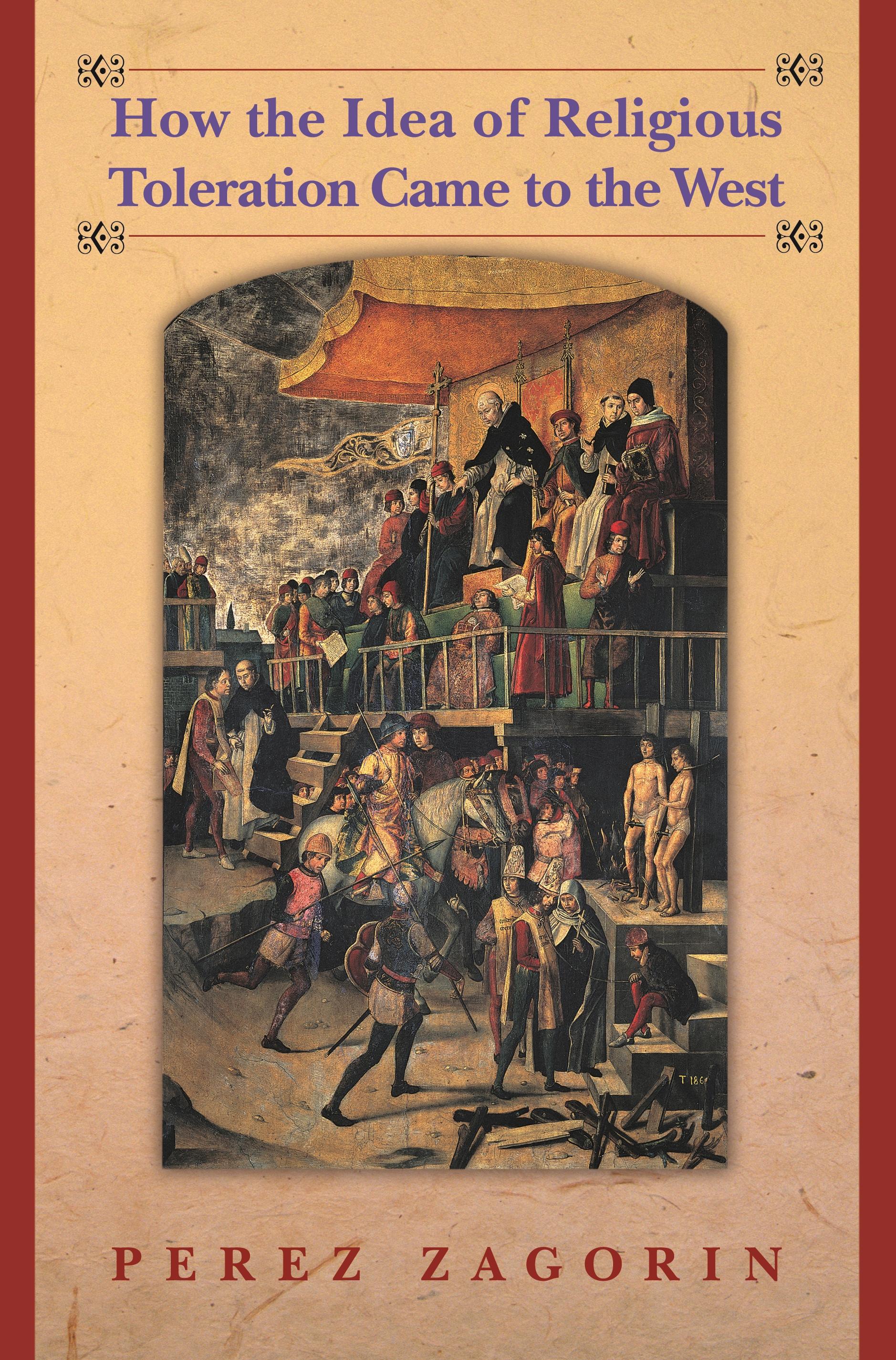
Religious intolerance, so terrible and deadly in its recent manifestations, is nothing new. In fact, until after the eighteenth century, Christianity was perhaps the most intolerant of all the great world religions. How Christian Europe and the West went from this extreme to their present universal belief in religious toleration is the momentous story fully told for the first time in this timely and important book by a leading historian of early modern Europe.
Perez Zagorin takes readers to a time when both the Catholic Church and the main new Protestant denominations embraced a policy of endorsing religious persecution, coercing unity, and, with the state's help, mercilessly crushing dissent and heresy. This position had its roots in certain intellectual and religious traditions, which Zagorin traces before showing how out of the same traditions came the beginnings of pluralism in the West. Here we see how sixteenth- and seventeenth-century thinkers--writing from religious, theological, and philosophical perspectives--contributed far more than did political expediency or the growth of religious skepticism to advance the cause of toleration. Reading these thinkers--from Erasmus and Sir Thomas More to John Milton and John Locke, among others--Zagorin brings to light a common, if unexpected, thread: concern for the spiritual welfare of religion itself weighed more in the defense of toleration than did any secular or pragmatic arguments. His book--which ranges from England through the Netherlands, the post-1685 Huguenot Diaspora, and the American Colonies--also exposes a close connection between toleration and religious freedom.
A far-reaching and incisive discussion of the major writers, thinkers, and controversies responsible for the emergence of religious tolerance in Western society--from the Enlightenment through the United Nations' Universal Declaration of Human Rights--this original and richly nuanced work constitutes an essential chapter in the intellectual history of the modern world.
Before Memmo my notes were scattered across PDFs. Now a workspace pulls everything into one place — I see exactly what's still left to study.
Memmo's summaries are gold before exams. I don't have to re-read 800 pages two weeks before — just the important parts.
The AI chat has saved me the night before an exam more than once. I just keep asking until I get it — no waiting on a study group to reply.
The quizzes hit exactly what I need to know. Memmo tracks what I get stuck on — so I only practice what's worth it.
Flashcards with spaced repetition are magic. Memmo knows when I'm about to forget something and brings it back.
The AI podcasts are my favorite. I listen on my way to school and get a recap without sitting at a computer.

Handbok i kvalitativa metoder
281 kr

Hållbar utveckling: en introduktion för ingenjörer och andra problemlösare
334 kr

Brymans Samhällsvetenskapliga metoder
390 kr

Projektledning
491 kr

Den orättvisa hälsan: om socioekonomiska skillnader i hälsa och livslängd
326 kr

Vetenskapsteori för nybörjare
196 kr

Organizational Leadership
429 kr

På väg mot läraryrket
172 kr

Det sociala livet i skolan: Socialpsykologiska perspektiv
253 kr

Betygsättningens didaktik
151 kr

Personality
402 kr

Studying Leadership
404 kr

Managing Innovation
477 kr

Introduktion till samhällsvetenskaplig metod
347 kr

The Psychology of Sex and Gender
698 kr

Evidens och kunskap för socialt arbete
207 kr

Introduction to Leadership
605 kr