
Before Memmo my notes were scattered across PDFs. Now a workspace pulls everything into one place — I see exactly what's still left to study.
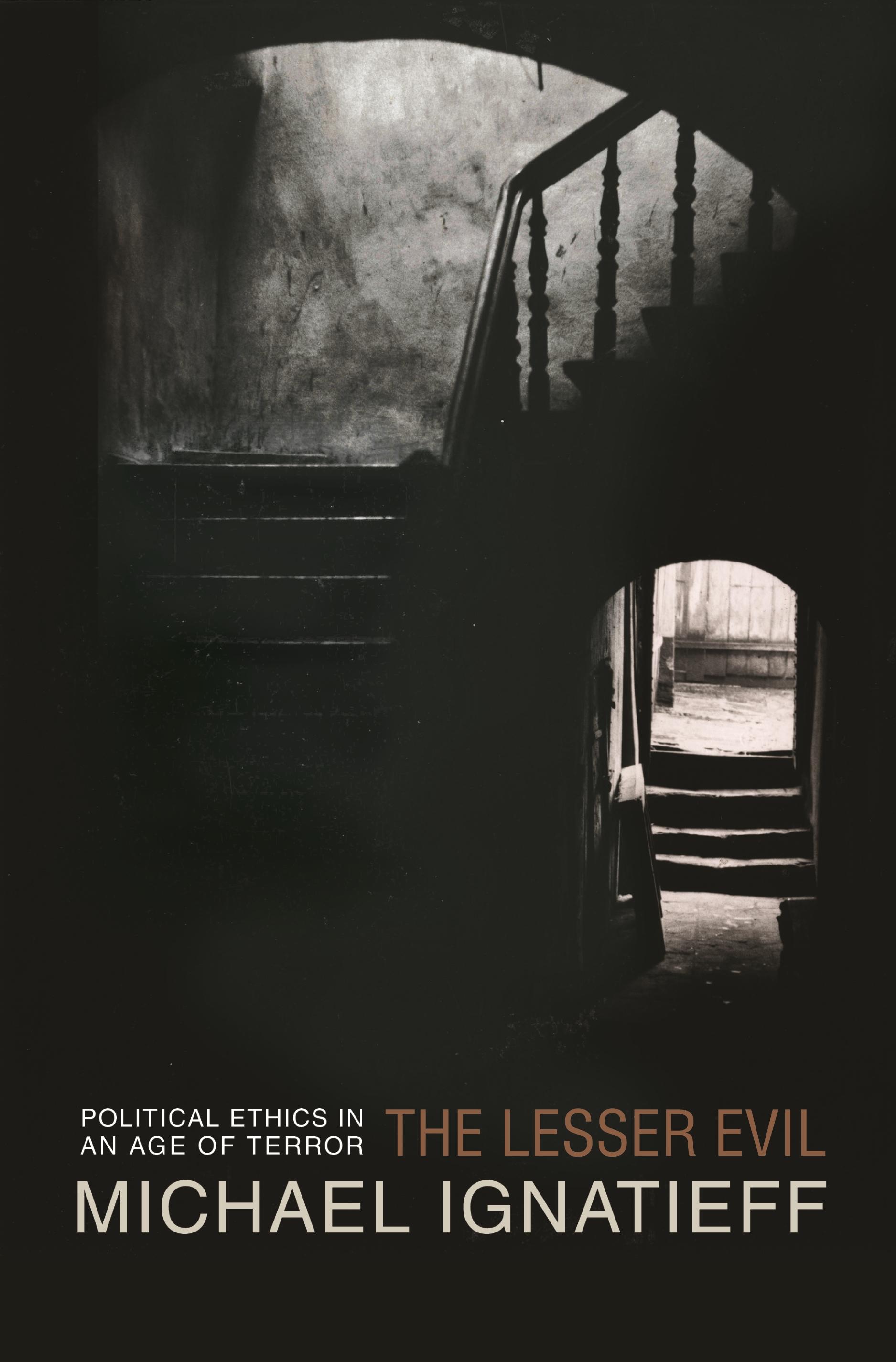
Must we fight terrorism with terror, match assassination with assassination, and torture with torture? Must we sacrifice civil liberty to protect public safety?
In the age of terrorism, the temptations of ruthlessness can be overwhelming. But we are pulled in the other direction too by the anxiety that a violent response to violence makes us morally indistinguishable from our enemies. There is perhaps no greater political challenge today than trying to win the war against terror without losing our democratic souls. Michael Ignatieff confronts this challenge head-on, with the combination of hard-headed idealism, historical sensitivity, and political judgment that has made him one of the most influential voices in international affairs today.
Ignatieff argues that we must not shrink from the use of violence--that far from undermining liberal democracy, force can be necessary for its survival. But its use must be measured, not a program of torture and revenge. And we must not fool ourselves that whatever we do in the name of freedom and democracy is good. We may need to kill to fight the greater evil of terrorism, but we must never pretend that doing so is anything better than a lesser evil.
In making this case, Ignatieff traces the modern history of terrorism and counter-terrorism, from the nihilists of Czarist Russia and the militias of Weimar Germany to the IRA and the unprecedented menace of Al Qaeda, with its suicidal agents bent on mass destruction. He shows how the most potent response to terror has been force, decisive and direct, but--just as important--restrained. The public scrutiny and political ethics that motivate restraint also give democracy its strongest weapon: the moral power to endure when the furies of vengeance and hatred are spent.
The book is based on the Gifford Lectures delivered at the University of Edinburgh in 2003.
Before Memmo my notes were scattered across PDFs. Now a workspace pulls everything into one place — I see exactly what's still left to study.
Memmo's summaries are gold before exams. I don't have to re-read 800 pages two weeks before — just the important parts.
The AI chat has saved me the night before an exam more than once. I just keep asking until I get it — no waiting on a study group to reply.
The quizzes hit exactly what I need to know. Memmo tracks what I get stuck on — so I only practice what's worth it.
Flashcards with spaced repetition are magic. Memmo knows when I'm about to forget something and brings it back.
The AI podcasts are my favorite. I listen on my way to school and get a recap without sitting at a computer.

Handbok i kvalitativa metoder
281 kr

Hållbar utveckling: en introduktion för ingenjörer och andra problemlösare
334 kr

Brymans Samhällsvetenskapliga metoder
390 kr

Projektledning
491 kr

Den orättvisa hälsan: om socioekonomiska skillnader i hälsa och livslängd
326 kr

Organizational Leadership
429 kr

Vetenskapsteori för nybörjare
196 kr

På väg mot läraryrket
172 kr

Det sociala livet i skolan: Socialpsykologiska perspektiv
253 kr

Betygsättningens didaktik
151 kr

Personality
402 kr

Studying Leadership
404 kr

Managing Innovation
477 kr

Introduktion till samhällsvetenskaplig metod
347 kr

The Psychology of Sex and Gender
698 kr

Evidens och kunskap för socialt arbete
207 kr

Introduction to Leadership
605 kr