
Before Memmo my notes were scattered across PDFs. Now a workspace pulls everything into one place — I see exactly what's still left to study.
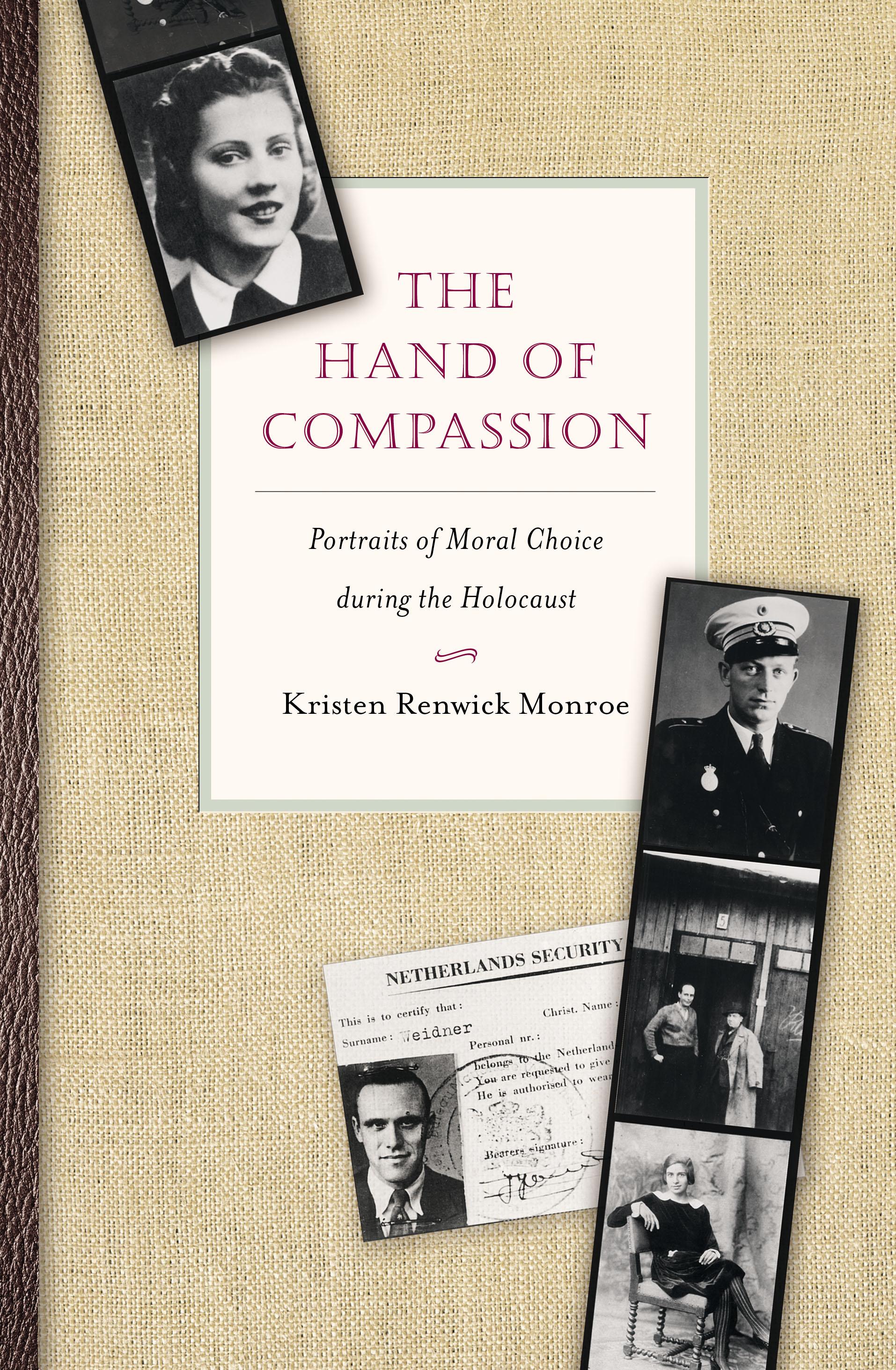
Through moving interviews with five ordinary people who rescued Jews during the Holocaust, Kristen Monroe casts new light on a question at the heart of ethics: Why do people risk their lives for strangers and what drives such moral choice? Monroe's analysis points not to traditional explanations--such as religion or reason--but to identity. The rescuers' perceptions of themselves in relation to others made their extraordinary acts spontaneous and left the rescuers no choice but to act. To turn away Jews was, for them, literally unimaginable. In the words of one German Czech rescuer, "The hand of compassion was faster than the calculus of reason."
At the heart of this unusual book are interviews with the rescuers, complex human beings from all parts of the Third Reich and all walks of life: Margot, a wealthy German who saved Jews while in exile in Holland; Otto, a German living in Prague who saved more than 100 Jews and provides surprising information about the plot to kill Hitler; John, a Dutchman on the Gestapo's "Most Wanted List"; Irene, a Polish student who hid eighteen Jews in the home of the German major for whom she was keeping house; and Knud, a Danish wartime policeman who took part in the extraordinary rescue of 85 percent of his country's Jews.
We listen as the rescuers themselves tell the stories of their lives and their efforts to save Jews. Monroe's analysis of these stories draws on philosophy, ethics, and political psychology to suggest why and how identity constrains our choices, both cognitively and ethically. Her work offers a powerful counterpoint to conventional arguments about rational choice and a valuable addition to the literature on ethics and moral psychology. It is a dramatic illumination of the power of identity to shape our most basic political acts, including our treatment of others.
But always Monroe returns us to the rescuers, to their strong voices, reminding us that the Holocaust need not have happened and revealing the minds of the ethically exemplary as they negotiated the moral quicksand that was the Holocaust.
Before Memmo my notes were scattered across PDFs. Now a workspace pulls everything into one place — I see exactly what's still left to study.
Memmo's summaries are gold before exams. I don't have to re-read 800 pages two weeks before — just the important parts.
The AI chat has saved me the night before an exam more than once. I just keep asking until I get it — no waiting on a study group to reply.
The quizzes hit exactly what I need to know. Memmo tracks what I get stuck on — so I only practice what's worth it.
Flashcards with spaced repetition are magic. Memmo knows when I'm about to forget something and brings it back.
The AI podcasts are my favorite. I listen on my way to school and get a recap without sitting at a computer.

Handbok i kvalitativa metoder
281 kr

Hållbar utveckling: en introduktion för ingenjörer och andra problemlösare
334 kr

Brymans Samhällsvetenskapliga metoder
390 kr

Projektledning
491 kr

Den orättvisa hälsan: om socioekonomiska skillnader i hälsa och livslängd
326 kr

Organizational Leadership
429 kr

Vetenskapsteori för nybörjare
196 kr

På väg mot läraryrket
172 kr

Det sociala livet i skolan: Socialpsykologiska perspektiv
253 kr

Betygsättningens didaktik
151 kr

Personality
402 kr

Studying Leadership
404 kr

Managing Innovation
477 kr

Introduktion till samhällsvetenskaplig metod
347 kr

The Psychology of Sex and Gender
698 kr

Evidens och kunskap för socialt arbete
207 kr

Introduction to Leadership
605 kr