
Before Memmo my notes were scattered across PDFs. Now a workspace pulls everything into one place — I see exactly what's still left to study.
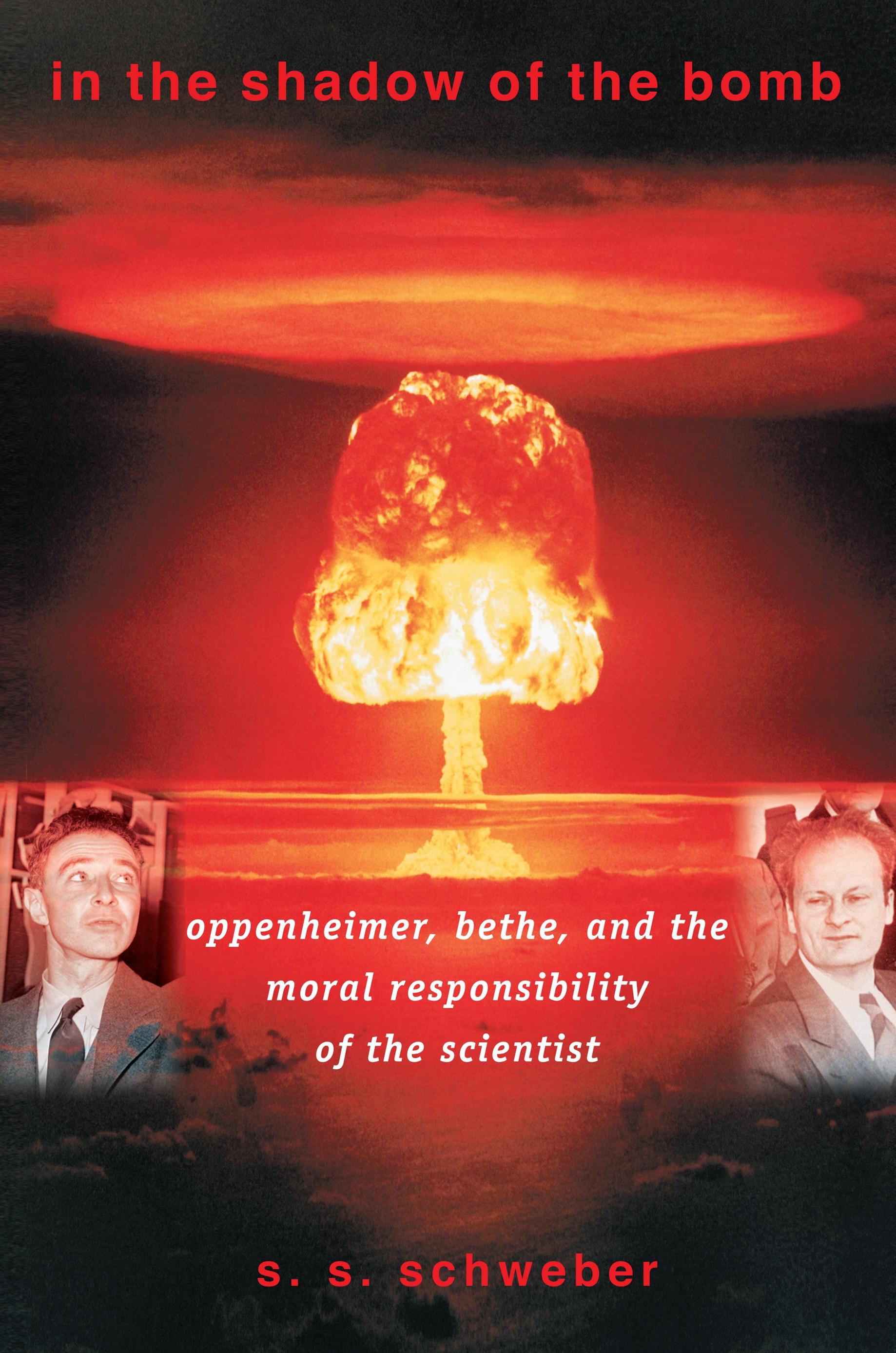
How two charismatic, exceptionally talented physicists came to terms with the nuclear weapons they helped to create
In 1945, the United States dropped the bomb, and physicists were forced to contemplate disquieting questions about their roles and responsibilities. When the Cold War followed, they were confronted with political demands for their loyalty and McCarthyism's threats to academic freedom. By examining how J. Robert Oppenheimer and Hans A. Bethe—two men with similar backgrounds but divergent aspirations and characters—struggled with these moral dilemmas, one of our foremost historians of physics tells the story of modern physics, the development of atomic weapons, and the Cold War.
Oppenheimer and Bethe led parallel lives. Both received liberal educations that emphasized moral as well as intellectual growth. Both were outstanding theoreticians who worked on the atom bomb at Los Alamos. Both advised the government on nuclear issues, and both resisted the development of the hydrogen bomb. Both were, in their youth, sympathetic to liberal causes, and both were later called to defend the United States against Soviet communism and colleagues against anti-Communist crusaders. Finally, both prized scientific community as a salve to the apparent failure of Enlightenment values.
Yet their responses to the use of the atom bomb, the testing of the hydrogen bomb, and the treachery of domestic politics differed markedly. Bethe, who drew confidence from scientific achievement and integration into the physics community, preserved a deep integrity. By accepting a modest role, he continued to influence policy and contributed to the nuclear test ban treaty of 1963. In contrast, Oppenheimer first embodied a new scientific persona—the scientist who creates knowledge and technology affecting all humanity and boldly addresses their impact—and then could not carry its burden. His desire to retain insider status, combined with his isolation from creative work and collegial scientific community, led him to compromise principles and, ironically, to lose prestige and fall victim to other insiders.
S. S. Schweber draws on his vast knowledge of science and its history—in addition to his unique access to the personalities involved—to tell a tale of two men that will enthrall readers interested in science, history, and the lives and minds of great thinkers.
Before Memmo my notes were scattered across PDFs. Now a workspace pulls everything into one place — I see exactly what's still left to study.
Memmo's summaries are gold before exams. I don't have to re-read 800 pages two weeks before — just the important parts.
The AI chat has saved me the night before an exam more than once. I just keep asking until I get it — no waiting on a study group to reply.
The quizzes hit exactly what I need to know. Memmo tracks what I get stuck on — so I only practice what's worth it.
Flashcards with spaced repetition are magic. Memmo knows when I'm about to forget something and brings it back.
The AI podcasts are my favorite. I listen on my way to school and get a recap without sitting at a computer.

Handbok i kvalitativa metoder
281 kr

Hållbar utveckling: en introduktion för ingenjörer och andra problemlösare
334 kr

Brymans Samhällsvetenskapliga metoder
390 kr

Projektledning
491 kr

Den orättvisa hälsan: om socioekonomiska skillnader i hälsa och livslängd
326 kr

Organizational Leadership
429 kr

Vetenskapsteori för nybörjare
196 kr

På väg mot läraryrket
172 kr

Det sociala livet i skolan: Socialpsykologiska perspektiv
253 kr

Betygsättningens didaktik
151 kr

Personality
402 kr

Studying Leadership
404 kr

Managing Innovation
477 kr

Introduktion till samhällsvetenskaplig metod
347 kr

The Psychology of Sex and Gender
698 kr

Evidens och kunskap för socialt arbete
207 kr

Introduction to Leadership
605 kr