
Before Memmo my notes were scattered across PDFs. Now a workspace pulls everything into one place — I see exactly what's still left to study.
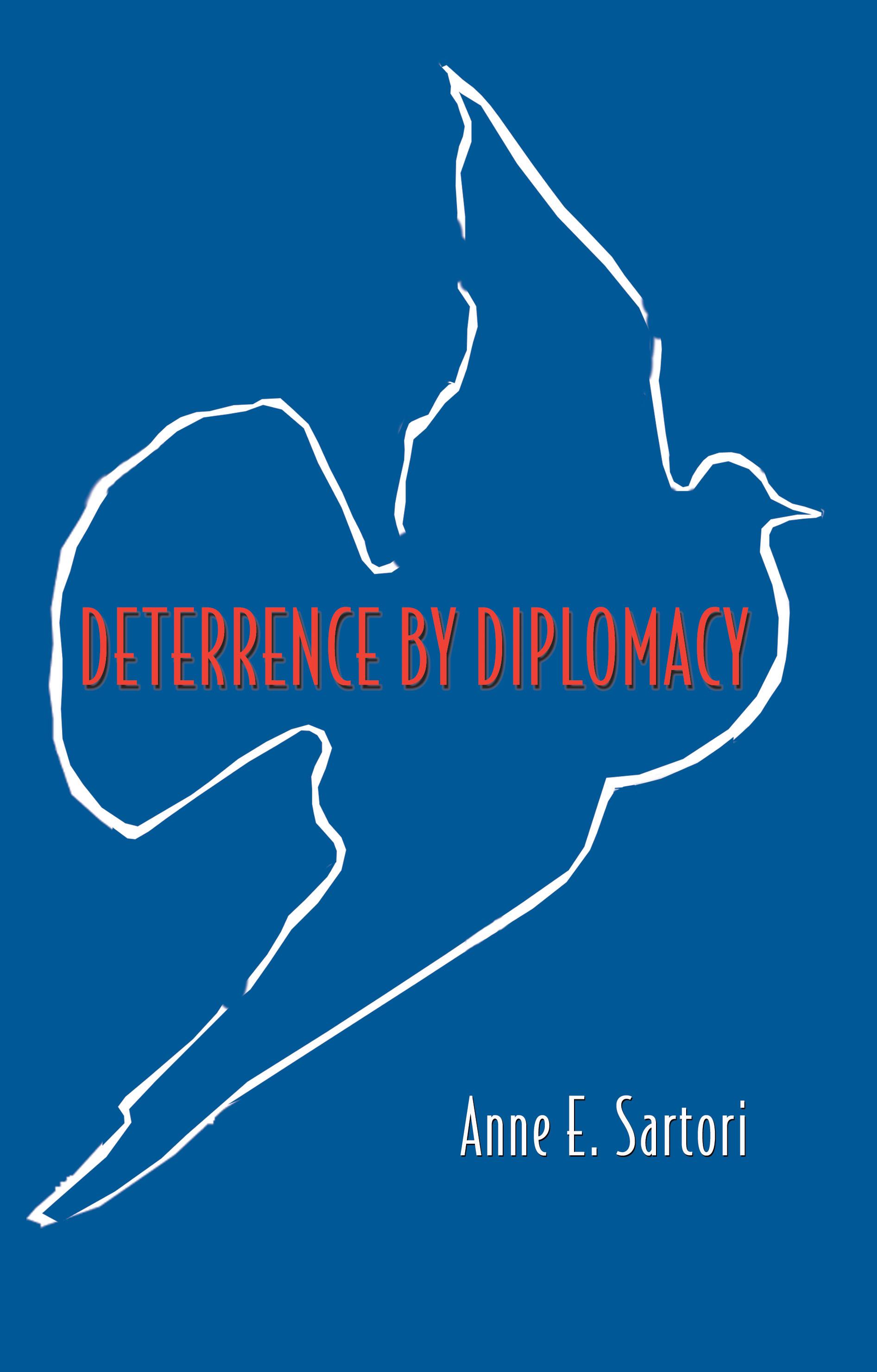
Why are countries often able to communicate critical information using diplomacy? Why do countries typically use diplomacy honestly, despite incentives to bluff? Why are they often able to deter attacks using merely verbal threats? International relations theory is largely pessimistic about the prospects for effective diplomacy, yet leaders nevertheless expend much time and energy trying to resolve conflicts through verbal negotiations and public statements. Deterrence by Diplomacy challenges standard understandings of deterrence by analyzing it as a form of talk and reaches conclusions about the effectiveness of diplomacy that are much more optimistic.
Anne Sartori argues that diplomacy works precisely because it is so valuable. States take pains to use diplomacy honestly most of the time because doing so allows them to maintain reputations for honesty, which in turn enhance their ability to resolve future disputes using diplomacy rather than force. So, to maintain the effectiveness of their diplomacy, states sometimes acquiesce to others' demands when they might have been able to attain their goals through bluffs. Sartori theorizes that countries obtain a "trade" of issues over time; they get their way more often when they deem the issues more important, and concede more often when they deem the issues less important. Departing from traditional theory, this book shows that rather than always fighting over small issues to show resolve, states can make their threats more credible by sometimes honestly acquiescing over lesser issues--by not crying "wolf."
Before Memmo my notes were scattered across PDFs. Now a workspace pulls everything into one place — I see exactly what's still left to study.
Memmo's summaries are gold before exams. I don't have to re-read 800 pages two weeks before — just the important parts.
The AI chat has saved me the night before an exam more than once. I just keep asking until I get it — no waiting on a study group to reply.
The quizzes hit exactly what I need to know. Memmo tracks what I get stuck on — so I only practice what's worth it.
Flashcards with spaced repetition are magic. Memmo knows when I'm about to forget something and brings it back.
The AI podcasts are my favorite. I listen on my way to school and get a recap without sitting at a computer.

Handbok i kvalitativa metoder
281 kr

Hållbar utveckling: en introduktion för ingenjörer och andra problemlösare
334 kr

Brymans Samhällsvetenskapliga metoder
390 kr

Projektledning
491 kr

Den orättvisa hälsan: om socioekonomiska skillnader i hälsa och livslängd
326 kr

Vetenskapsteori för nybörjare
196 kr

Organizational Leadership
429 kr

På väg mot läraryrket
172 kr

Det sociala livet i skolan: Socialpsykologiska perspektiv
253 kr

Betygsättningens didaktik
151 kr

Personality
402 kr

Studying Leadership
404 kr

Managing Innovation
477 kr

Introduktion till samhällsvetenskaplig metod
347 kr

The Psychology of Sex and Gender
698 kr

Evidens och kunskap för socialt arbete
207 kr

Introduction to Leadership
605 kr