
Before Memmo my notes were scattered across PDFs. Now a workspace pulls everything into one place — I see exactly what's still left to study.
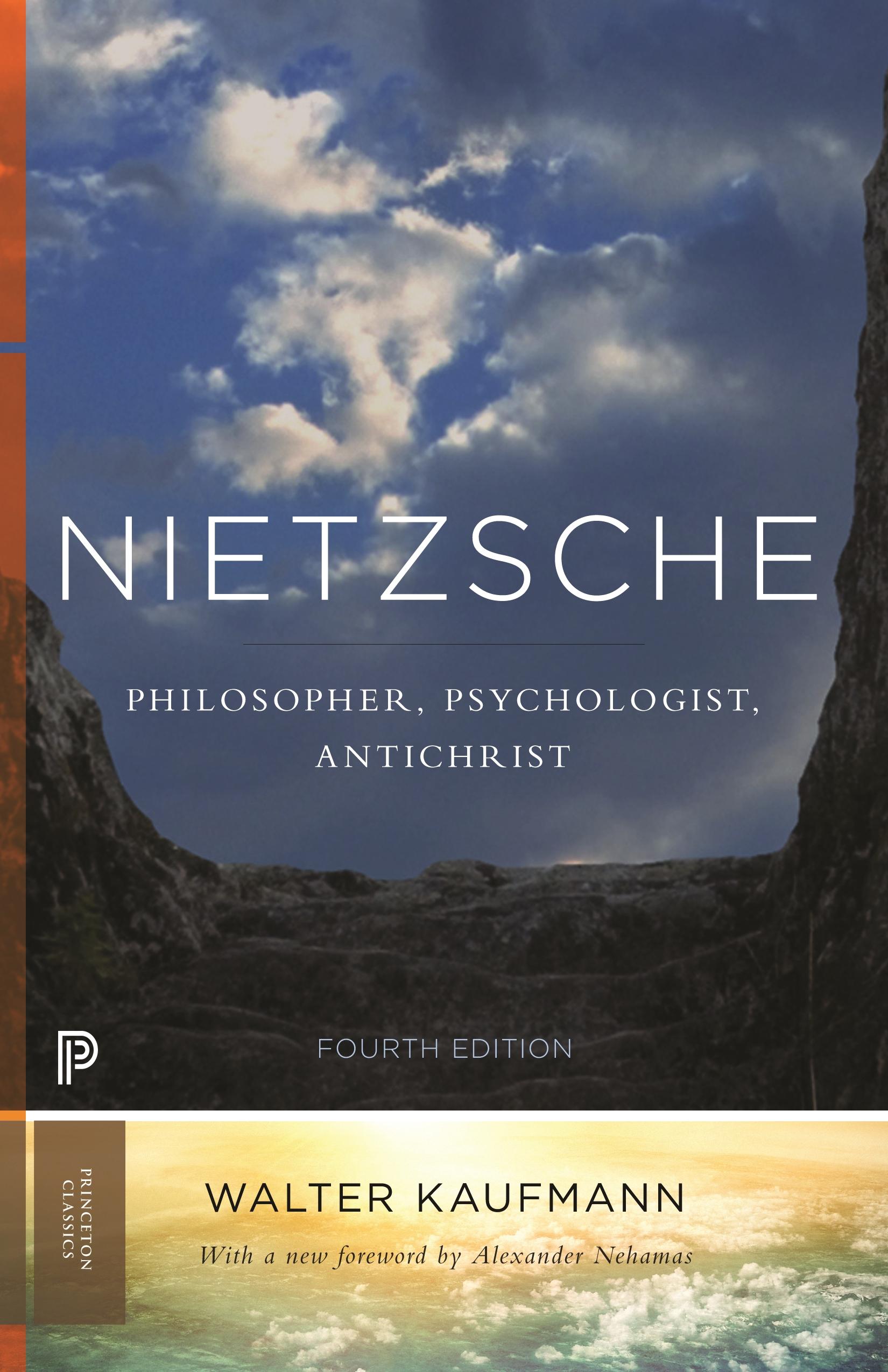
This classic is the benchmark against which all modern books about Nietzsche are measured. When Walter Kaufmann wrote it in the immediate aftermath of World War II, most scholars outside Germany viewed Nietzsche as part madman, part proto-Nazi, and almost wholly unphilosophical. Kaufmann rehabilitated Nietzsche nearly single-handedly, presenting his works as one of the great achievements of Western philosophy.
Responding to the powerful myths and countermyths that had sprung up around Nietzsche, Kaufmann offered a patient, evenhanded account of his life and works, and of the uses and abuses to which subsequent generations had put his ideas. Without ignoring or downplaying the ugliness of many of Nietzsche's proclamations, he set them in the context of his work as a whole and of the counterexamples yielded by a responsible reading of his books. More positively, he presented Nietzsche's ideas about power as one of the great accomplishments of modern philosophy, arguing that his conception of the "will to power" was not a crude apology for ruthless self-assertion but must be linked to Nietzsche's equally profound ideas about sublimation. He also presented Nietzsche as a pioneer of modern psychology and argued that a key to understanding his overall philosophy is to see it as a reaction against Christianity.
Many scholars in the past half century have taken issue with some of Kaufmann's interpretations, but the book ranks as one of the most influential accounts ever written of any major Western thinker. Featuring a new foreword by Alexander Nehamas, this Princeton Classics edition of Nietzsche introduces a new generation of readers to one the most influential accounts ever written of any major Western thinker.
Before Memmo my notes were scattered across PDFs. Now a workspace pulls everything into one place — I see exactly what's still left to study.
Memmo's summaries are gold before exams. I don't have to re-read 800 pages two weeks before — just the important parts.
The AI chat has saved me the night before an exam more than once. I just keep asking until I get it — no waiting on a study group to reply.
The quizzes hit exactly what I need to know. Memmo tracks what I get stuck on — so I only practice what's worth it.
Flashcards with spaced repetition are magic. Memmo knows when I'm about to forget something and brings it back.
The AI podcasts are my favorite. I listen on my way to school and get a recap without sitting at a computer.

Handbok i kvalitativa metoder
281 kr

Hållbar utveckling: en introduktion för ingenjörer och andra problemlösare
334 kr

Brymans Samhällsvetenskapliga metoder
390 kr

Projektledning
491 kr

Den orättvisa hälsan: om socioekonomiska skillnader i hälsa och livslängd
326 kr

Organizational Leadership
429 kr

Vetenskapsteori för nybörjare
196 kr

På väg mot läraryrket
172 kr

Det sociala livet i skolan: Socialpsykologiska perspektiv
253 kr

Betygsättningens didaktik
151 kr

Personality
402 kr

Studying Leadership
404 kr

Managing Innovation
477 kr

Introduktion till samhällsvetenskaplig metod
347 kr

The Psychology of Sex and Gender
698 kr

Evidens och kunskap för socialt arbete
207 kr

Introduction to Leadership
605 kr