
Before Memmo my notes were scattered across PDFs. Now a workspace pulls everything into one place — I see exactly what's still left to study.
A comprehensive look at how terrorist groups organize themselves
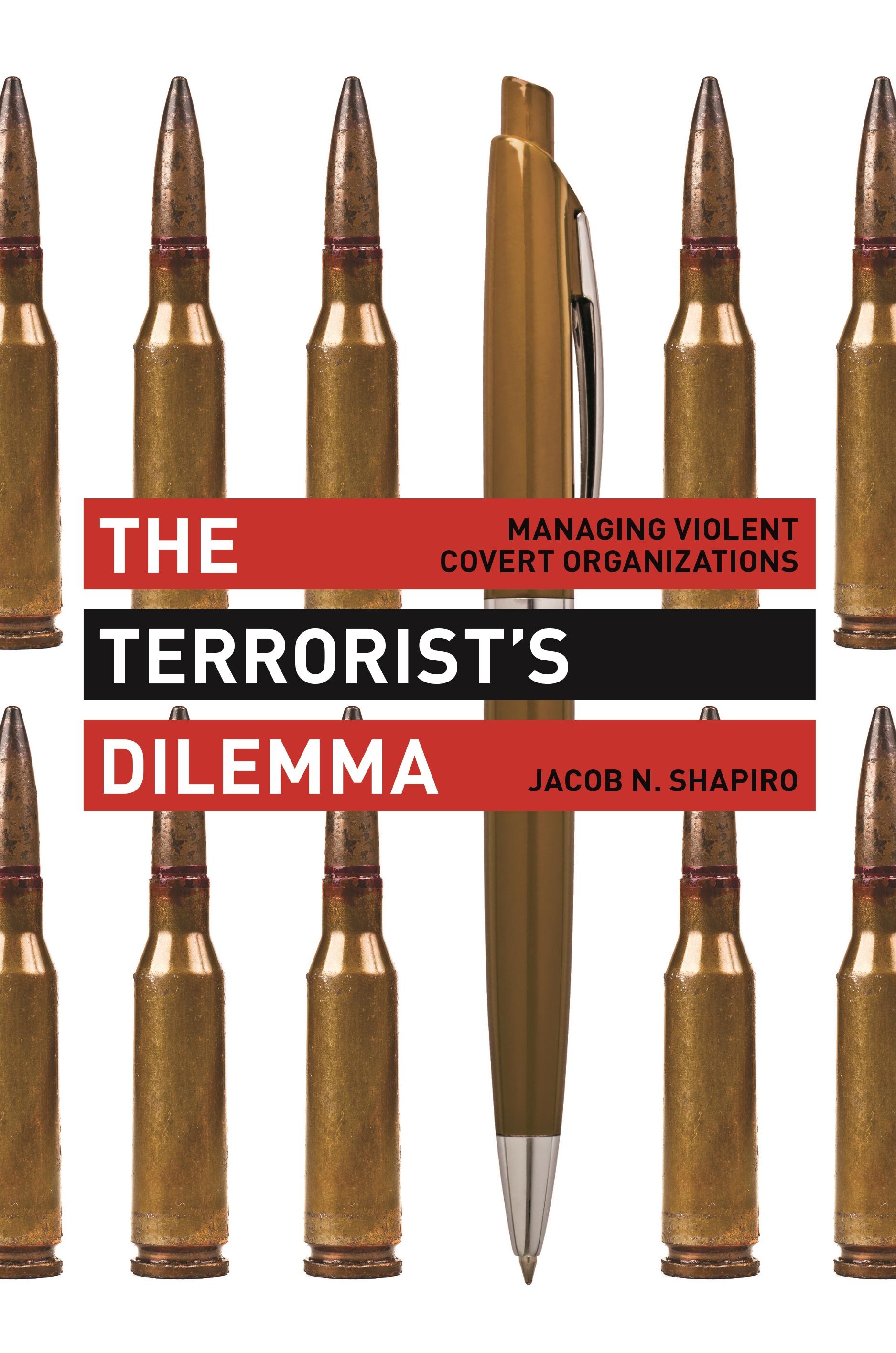
How do terrorist groups control their members? Do the tools groups use to monitor their operatives and enforce discipline create security vulnerabilities that governments can exploit? The Terrorist's Dilemma is the first book to systematically examine the great variation in how terrorist groups are structured. Employing a broad range of agency theory, historical case studies, and terrorists' own internal documents, Jacob Shapiro provocatively discusses the core managerial challenges that terrorists face and illustrates how their political goals interact with the operational environment to push them to organize in particular ways.
Shapiro provides a historically informed explanation for why some groups have little hierarchy, while others resemble miniature firms, complete with line charts and written disciplinary codes. Looking at groups in Africa, Asia, Europe, and North America, he highlights how consistent and widespread the terrorist's dilemma--balancing the desire to maintain control with the need for secrecy--has been since the 1880s. Through an analysis of more than a hundred terrorist autobiographies he shows how prevalent bureaucracy has been, and he utilizes a cache of internal documents from al-Qa'ida in Iraq to outline why this deadly group used so much paperwork to handle its people. Tracing the strategic interaction between terrorist leaders and their operatives, Shapiro closes with a series of comparative case studies, indicating that the differences in how groups in the same conflict approach their dilemmas are consistent with an agency theory perspective.
The Terrorist's Dilemma demonstrates the management constraints inherent to terrorist groups and sheds light on specific organizational details that can be exploited to more efficiently combat terrorist activity.
Before Memmo my notes were scattered across PDFs. Now a workspace pulls everything into one place — I see exactly what's still left to study.
Memmo's summaries are gold before exams. I don't have to re-read 800 pages two weeks before — just the important parts.
The AI chat has saved me the night before an exam more than once. I just keep asking until I get it — no waiting on a study group to reply.
The quizzes hit exactly what I need to know. Memmo tracks what I get stuck on — so I only practice what's worth it.
Flashcards with spaced repetition are magic. Memmo knows when I'm about to forget something and brings it back.
The AI podcasts are my favorite. I listen on my way to school and get a recap without sitting at a computer.

Handbok i kvalitativa metoder
281 kr

Hållbar utveckling: en introduktion för ingenjörer och andra problemlösare
334 kr

Brymans Samhällsvetenskapliga metoder
390 kr

Projektledning
491 kr

Den orättvisa hälsan: om socioekonomiska skillnader i hälsa och livslängd
326 kr

Vetenskapsteori för nybörjare
196 kr

Organizational Leadership
429 kr

På väg mot läraryrket
172 kr

Det sociala livet i skolan: Socialpsykologiska perspektiv
253 kr

Betygsättningens didaktik
151 kr

Personality
402 kr

Studying Leadership
404 kr

Managing Innovation
477 kr

Introduktion till samhällsvetenskaplig metod
347 kr

The Psychology of Sex and Gender
698 kr

Evidens och kunskap för socialt arbete
207 kr

Introduction to Leadership
605 kr