
Before Memmo my notes were scattered across PDFs. Now a workspace pulls everything into one place — I see exactly what's still left to study.
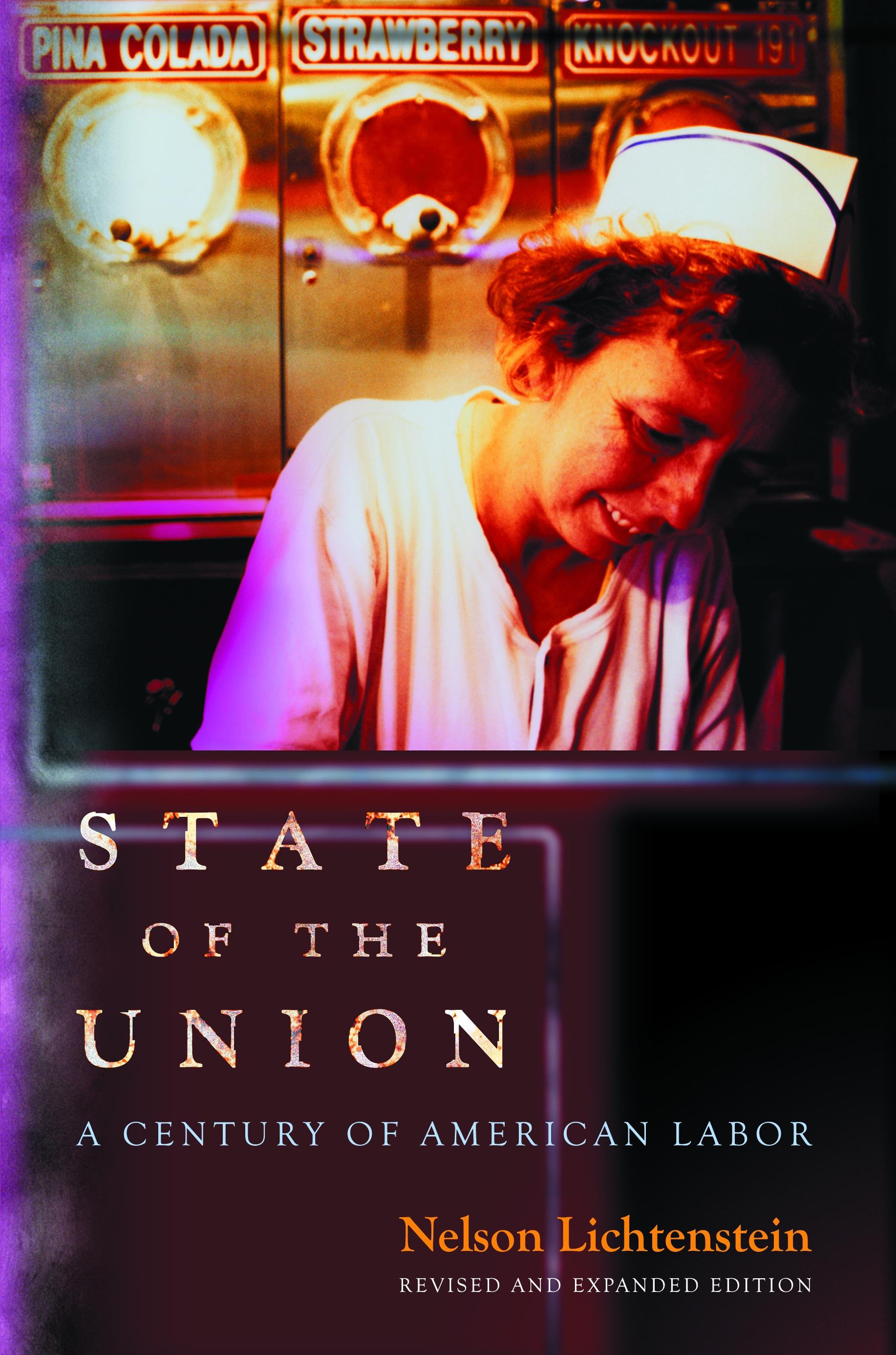
In a fresh and timely reinterpretation, Nelson Lichtenstein examines how trade unionism has waxed and waned in the nation's political and moral imagination, among both devoted partisans and intransigent foes. From the steel foundry to the burger-grill, from Woodrow Wilson to John Sweeney, from Homestead to Pittston, Lichtenstein weaves together a compelling matrix of ideas, stories, strikes, laws, and people in a streamlined narrative of work and labor in the twentieth century.
The "labor question" became a burning issue during the Progressive Era because its solution seemed essential to the survival of American democracy itself. Beginning there, Lichtenstein takes us all the way to the organizing fever of contemporary Los Angeles, where the labor movement stands at the center of the effort to transform millions of new immigrants into alert citizen unionists. He offers an expansive survey of labor's upsurge during the 1930s, when the New Deal put a white, male version of industrial democracy at the heart of U.S. political culture. He debunks the myth of a postwar "management-labor accord" by showing that there was (at most) a limited, unstable truce.
Lichtenstein argues that the ideas that had once sustained solidarity and citizenship in the world of work underwent a radical transformation when the rights-centered social movements of the 1960s and 1970s captured the nation's moral imagination. The labor movement was therefore tragically unprepared for the years of Reagan and Clinton: although technological change and a new era of global economics battered the unions, their real failure was one of ideas and political will. Throughout, Lichtenstein argues that labor's most important function, in theory if not always in practice, has been the vitalization of a democratic ethos, at work and in the larger society. To the extent that the unions fuse their purpose with that impulse, they can once again become central to the fate of the republic. State of the Union is an incisive history that tells the story of one of America's defining aspirations.
This edition includes a new preface in which Lichtenstein engages with many of those who have offered commentary on State of the Union and evaluates the historical literature that has emerged in the decade since the book's initial publication. He also brings his narrative into the current moment with a final chapter, "Obama's America: Liberalism without Unions.?
Before Memmo my notes were scattered across PDFs. Now a workspace pulls everything into one place — I see exactly what's still left to study.
Memmo's summaries are gold before exams. I don't have to re-read 800 pages two weeks before — just the important parts.
The AI chat has saved me the night before an exam more than once. I just keep asking until I get it — no waiting on a study group to reply.
The quizzes hit exactly what I need to know. Memmo tracks what I get stuck on — so I only practice what's worth it.
Flashcards with spaced repetition are magic. Memmo knows when I'm about to forget something and brings it back.
The AI podcasts are my favorite. I listen on my way to school and get a recap without sitting at a computer.

Handbok i kvalitativa metoder
281 kr

Hållbar utveckling: en introduktion för ingenjörer och andra problemlösare
334 kr

Brymans Samhällsvetenskapliga metoder
390 kr

Projektledning
491 kr

Den orättvisa hälsan: om socioekonomiska skillnader i hälsa och livslängd
326 kr

Vetenskapsteori för nybörjare
196 kr

Organizational Leadership
429 kr

På väg mot läraryrket
172 kr

Det sociala livet i skolan: Socialpsykologiska perspektiv
253 kr

Betygsättningens didaktik
151 kr

Personality
402 kr

Studying Leadership
404 kr

Managing Innovation
477 kr

Introduktion till samhällsvetenskaplig metod
347 kr

The Psychology of Sex and Gender
698 kr

Evidens och kunskap för socialt arbete
207 kr

Introduction to Leadership
605 kr