
Before Memmo my notes were scattered across PDFs. Now a workspace pulls everything into one place — I see exactly what's still left to study.
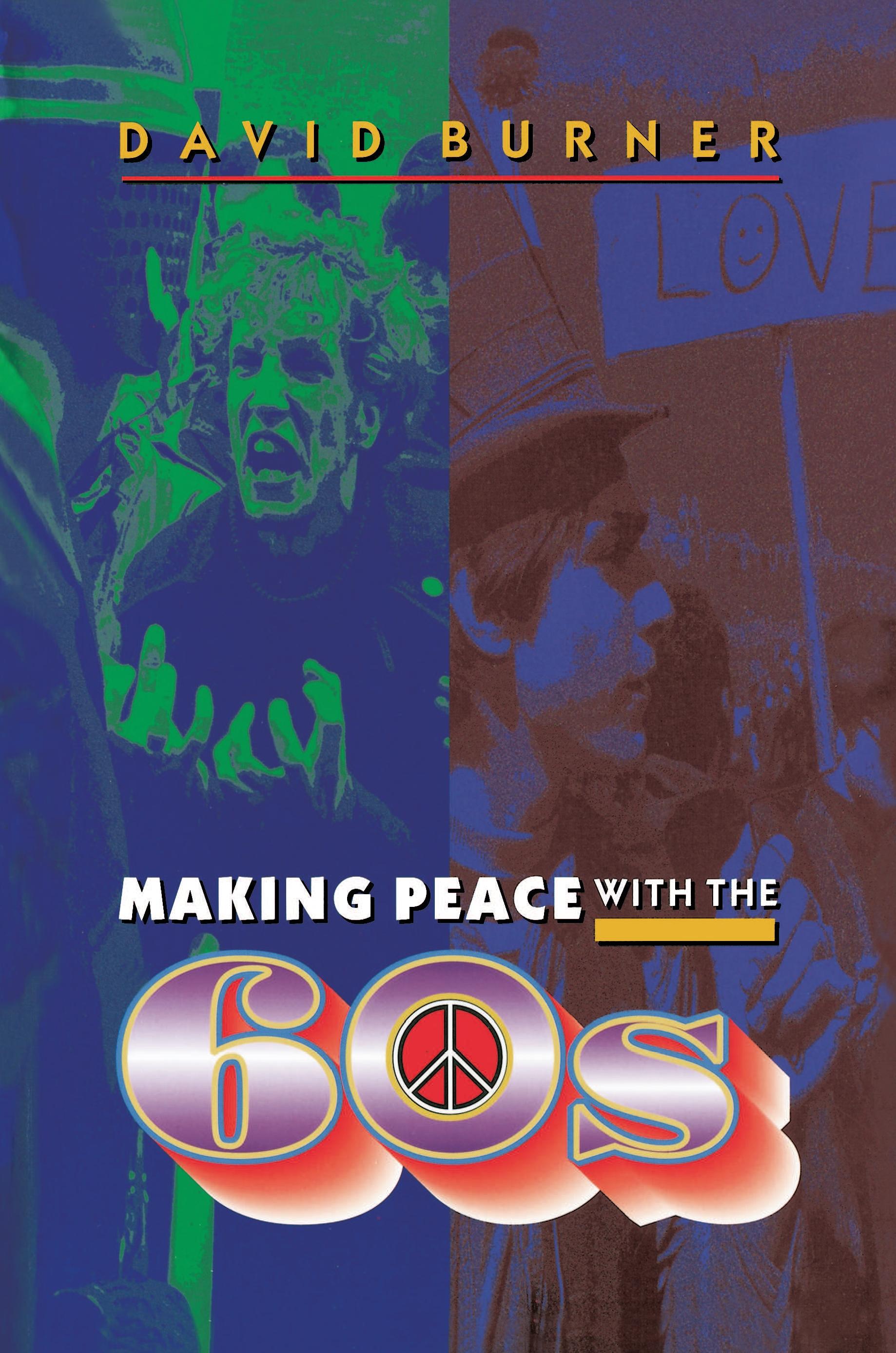
David Burner's panoramic history of the 1960s conveys the ferocity of debate and the testing of visionary hopes that still require us to make sense of the decade. He begins with the civil rights and black power movements and then turns to nuanced descriptions of Kennedy and the Cold War, the counterculture and its antecedents in the Beat Generation, the student rebellion, the poverty wars, and the liberals' war in Vietnam. As he considers each topic, Burner advances a provocative argument about how liberalism self-destructed in the 1960s. In his view, the civil rights movement took a wrong turn as it gradually came to emphasize the identity politics of race and ethnicity at the expense of the vastly more important politics of class and distribution of wealth. The expansion of the Vietnam War did force radicals to confront the most terrible mistake of American liberalism, but that they also turned against the social goals of the New Deal was destructive to all concerned.
Liberals seemed to rule in politics and in the media, Burner points out, yet they failed to make adequate use of their power to advance the purposes that both liberalism and the left endorsed. And forces for social amelioration splintered into pairs of enemies, such as integrationists and black separatists, the social left and mainline liberalism, and advocates of peace and supporters of a totalitarian Hanoi.
Making Peace with the 60s will fascinate baby boomers and their elders, who either joined, denounced, or tried to ignore the counterculture. It will also inform a broad audience of younger people about the famous political and literary figures of the time, the salient moments, and, above all, the powerful ideas that spawned events from the civil rights era to the Vietnam War. Finally, it will help to explain why Americans failed to make full use of the energies unleashed by one of the most remarkable decades of our history.
Before Memmo my notes were scattered across PDFs. Now a workspace pulls everything into one place — I see exactly what's still left to study.
Memmo's summaries are gold before exams. I don't have to re-read 800 pages two weeks before — just the important parts.
The AI chat has saved me the night before an exam more than once. I just keep asking until I get it — no waiting on a study group to reply.
The quizzes hit exactly what I need to know. Memmo tracks what I get stuck on — so I only practice what's worth it.
Flashcards with spaced repetition are magic. Memmo knows when I'm about to forget something and brings it back.
The AI podcasts are my favorite. I listen on my way to school and get a recap without sitting at a computer.

Handbok i kvalitativa metoder
281 kr

Hållbar utveckling: en introduktion för ingenjörer och andra problemlösare
334 kr

Brymans Samhällsvetenskapliga metoder
390 kr

Projektledning
491 kr

Den orättvisa hälsan: om socioekonomiska skillnader i hälsa och livslängd
326 kr

Organizational Leadership
429 kr

Vetenskapsteori för nybörjare
196 kr

På väg mot läraryrket
172 kr

Det sociala livet i skolan: Socialpsykologiska perspektiv
253 kr

Betygsättningens didaktik
151 kr

Personality
402 kr

Studying Leadership
404 kr

Managing Innovation
477 kr

Introduktion till samhällsvetenskaplig metod
347 kr

The Psychology of Sex and Gender
698 kr

Evidens och kunskap för socialt arbete
207 kr

Introduction to Leadership
605 kr