
Before Memmo my notes were scattered across PDFs. Now a workspace pulls everything into one place — I see exactly what's still left to study.
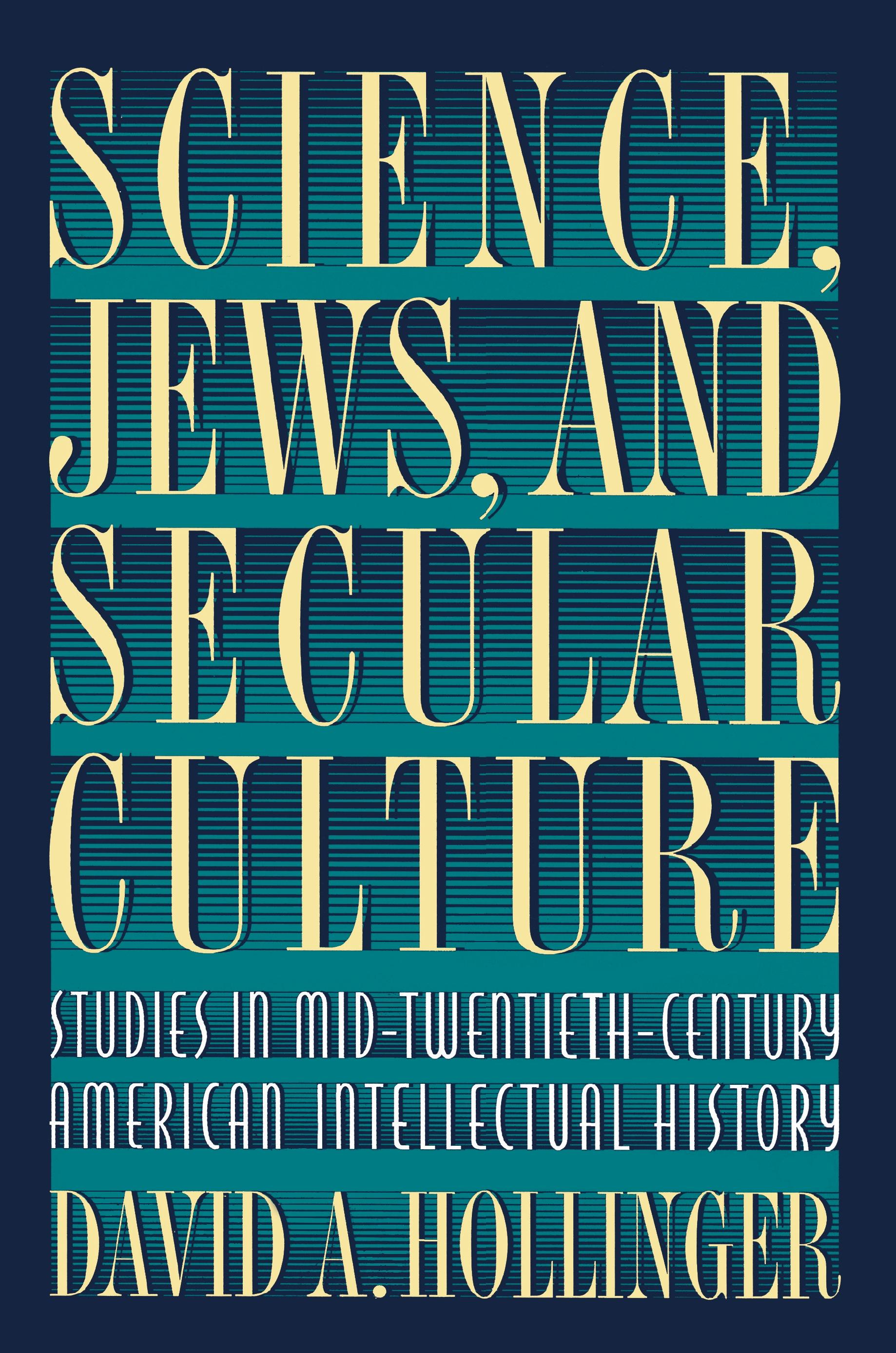
This remarkable group of essays describes the "culture wars" that consolidated a new, secular ethos in mid-twentieth-century American academia and generated the fresh energies needed for a wide range of scientific and cultural enterprises. Focusing on the decades from the 1930s through the 1960s, David Hollinger discusses the scientists, social scientists, philosophers, and historians who fought the Christian biases that had kept Jews from fully participating in American intellectual life. Today social critics take for granted the comparatively open outlook developed by these men (and men they were, mostly), and charge that their cosmopolitanism was not sufficiently multicultural. Yet Hollinger shows that the liberal cosmopolitans of the mid-century generation defined themselves against the realities of their own time: McCarthyism, Nazi and Communist doctrines, a legacy of anti-Semitic quotas, and both Protestant and Catholic versions of the notion of a "Christian America." The victory of liberal cosmopolitans was so sweeping by the 1960s that it has become easy to forget the strength of the enemies they fought.
Most books addressing the emergence of Jewish intellectuals celebrate an illustrious cohort of literary figures based in New York City. But the pieces collected here explore the long-postponed acceptance of Jewish immigrants in a variety of settings, especially the social science and humanities faculties of major universities scattered across the country. Hollinger acknowledges the limited, rather parochial sense of "mankind" that informed some mid-century thinking, but he also inspires in the reader an appreciation for the integrationist aspirations of a society truly striving toward equality. His cast of characters includes Vannevar Bush, James B. Conant, Richard Hofstadter, Robert K. Merton, Lionel Trilling, and J. Robert Oppenheimer.
Before Memmo my notes were scattered across PDFs. Now a workspace pulls everything into one place — I see exactly what's still left to study.
Memmo's summaries are gold before exams. I don't have to re-read 800 pages two weeks before — just the important parts.
The AI chat has saved me the night before an exam more than once. I just keep asking until I get it — no waiting on a study group to reply.
The quizzes hit exactly what I need to know. Memmo tracks what I get stuck on — so I only practice what's worth it.
Flashcards with spaced repetition are magic. Memmo knows when I'm about to forget something and brings it back.
The AI podcasts are my favorite. I listen on my way to school and get a recap without sitting at a computer.

Handbok i kvalitativa metoder
281 kr

Hållbar utveckling: en introduktion för ingenjörer och andra problemlösare
334 kr

Brymans Samhällsvetenskapliga metoder
390 kr

Projektledning
491 kr

Den orättvisa hälsan: om socioekonomiska skillnader i hälsa och livslängd
326 kr

Vetenskapsteori för nybörjare
196 kr

Organizational Leadership
429 kr

På väg mot läraryrket
172 kr

Det sociala livet i skolan: Socialpsykologiska perspektiv
253 kr

Betygsättningens didaktik
151 kr

Personality
402 kr

Studying Leadership
404 kr

Managing Innovation
477 kr

Introduktion till samhällsvetenskaplig metod
347 kr

The Psychology of Sex and Gender
698 kr

Evidens och kunskap för socialt arbete
207 kr

Introduction to Leadership
605 kr