
Before Memmo my notes were scattered across PDFs. Now a workspace pulls everything into one place — I see exactly what's still left to study.
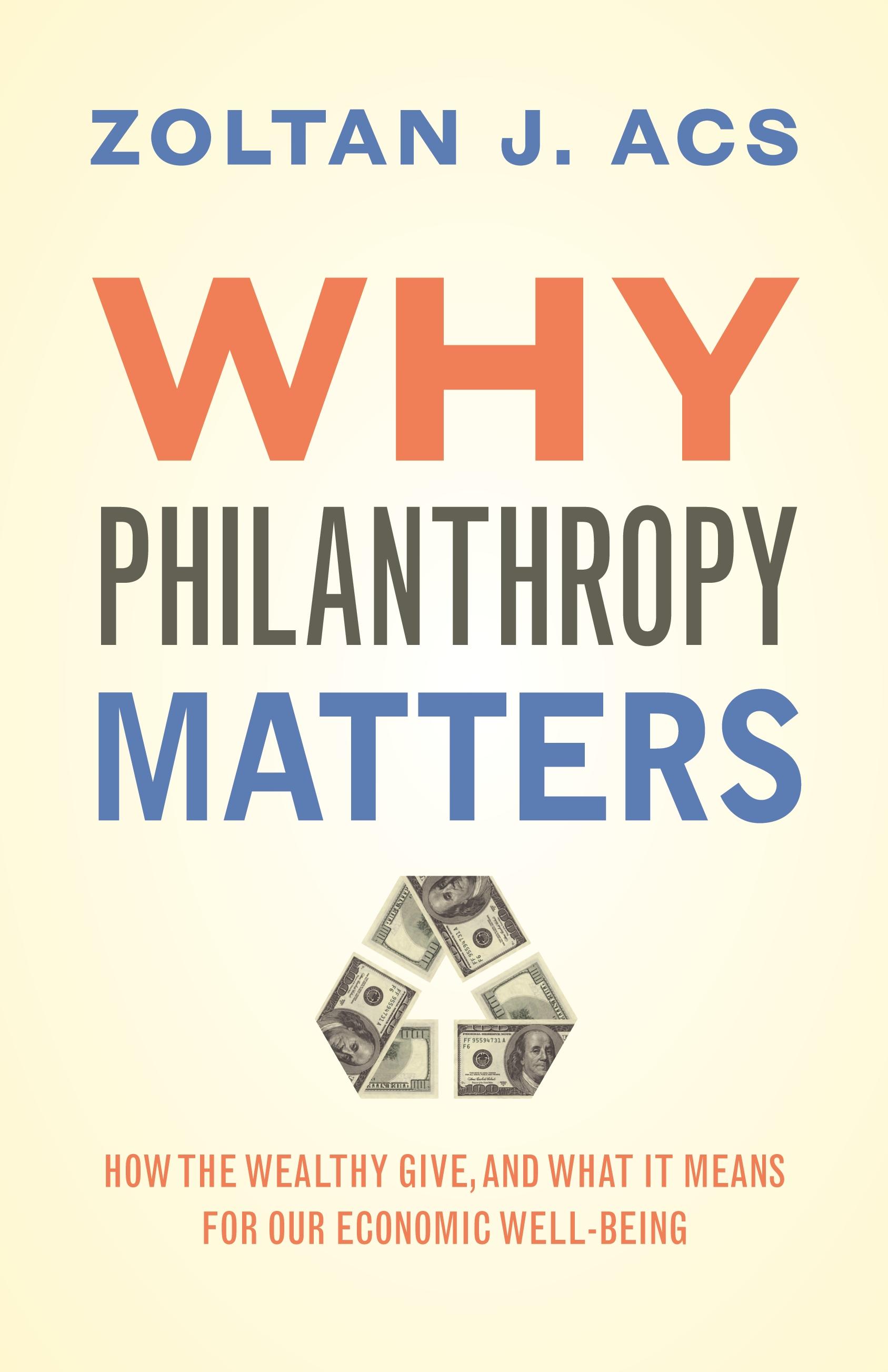
The hidden role of philanthropy in enriching America's prosperity—and the world's
Philanthropy has long been a distinctive feature of American culture, but its crucial role in the economic well-being of the nation—and the world—has remained largely unexplored. Why Philanthropy Matters takes an in-depth look at philanthropy as an underappreciated force in capitalism, measures its critical influence on the free-market system, and demonstrates how American philanthropy could serve as a model for the productive reinvestment of wealth in other countries. Factoring in philanthropic cycles that help balance the economy, Zoltan Acs offers a richer picture of capitalism, and a more accurate backdrop for considering policies that would promote the capitalist system for the good of all.
Examining the dynamics of American-style capitalism since the eighteenth century, Acs argues that philanthropy achieves three critical outcomes. It deals with the question of what to do with wealth—keep it, tax it, or give it away. It complements government in creating public goods. And, by focusing on education, science, and medicine, philanthropy has a positive effect on economic growth and productivity. Acs describes how individuals such as Benjamin Franklin, Andrew Carnegie, Bill Gates, and Oprah Winfrey have used their wealth to establish institutions and promote knowledge, and Acs shows how philanthropy has given an edge to capitalism by promoting vital forces—like university research—necessary for technological innovation, economic equality, and economic security. Philanthropy also serves as a guide for countries with less flexible capitalist institutions, and Acs makes the case for a larger, global philanthropic culture.
Providing a new perspective on the development of capitalism, Why Philanthropy Matters highlights philanthropy's critical links to the economic progress, health, and future of the United States—and beyond.
Before Memmo my notes were scattered across PDFs. Now a workspace pulls everything into one place — I see exactly what's still left to study.
Memmo's summaries are gold before exams. I don't have to re-read 800 pages two weeks before — just the important parts.
The AI chat has saved me the night before an exam more than once. I just keep asking until I get it — no waiting on a study group to reply.
The quizzes hit exactly what I need to know. Memmo tracks what I get stuck on — so I only practice what's worth it.
Flashcards with spaced repetition are magic. Memmo knows when I'm about to forget something and brings it back.
The AI podcasts are my favorite. I listen on my way to school and get a recap without sitting at a computer.

Handbok i kvalitativa metoder
281 kr

Hållbar utveckling: en introduktion för ingenjörer och andra problemlösare
334 kr

Brymans Samhällsvetenskapliga metoder
390 kr

Projektledning
491 kr

Den orättvisa hälsan: om socioekonomiska skillnader i hälsa och livslängd
326 kr

Vetenskapsteori för nybörjare
196 kr

Organizational Leadership
429 kr

På väg mot läraryrket
172 kr

Det sociala livet i skolan: Socialpsykologiska perspektiv
253 kr

Betygsättningens didaktik
151 kr

Personality
402 kr

Studying Leadership
404 kr

Managing Innovation
477 kr

Introduktion till samhällsvetenskaplig metod
347 kr

The Psychology of Sex and Gender
698 kr

Evidens och kunskap för socialt arbete
207 kr

Introduction to Leadership
605 kr