
Before Memmo my notes were scattered across PDFs. Now a workspace pulls everything into one place — I see exactly what's still left to study.
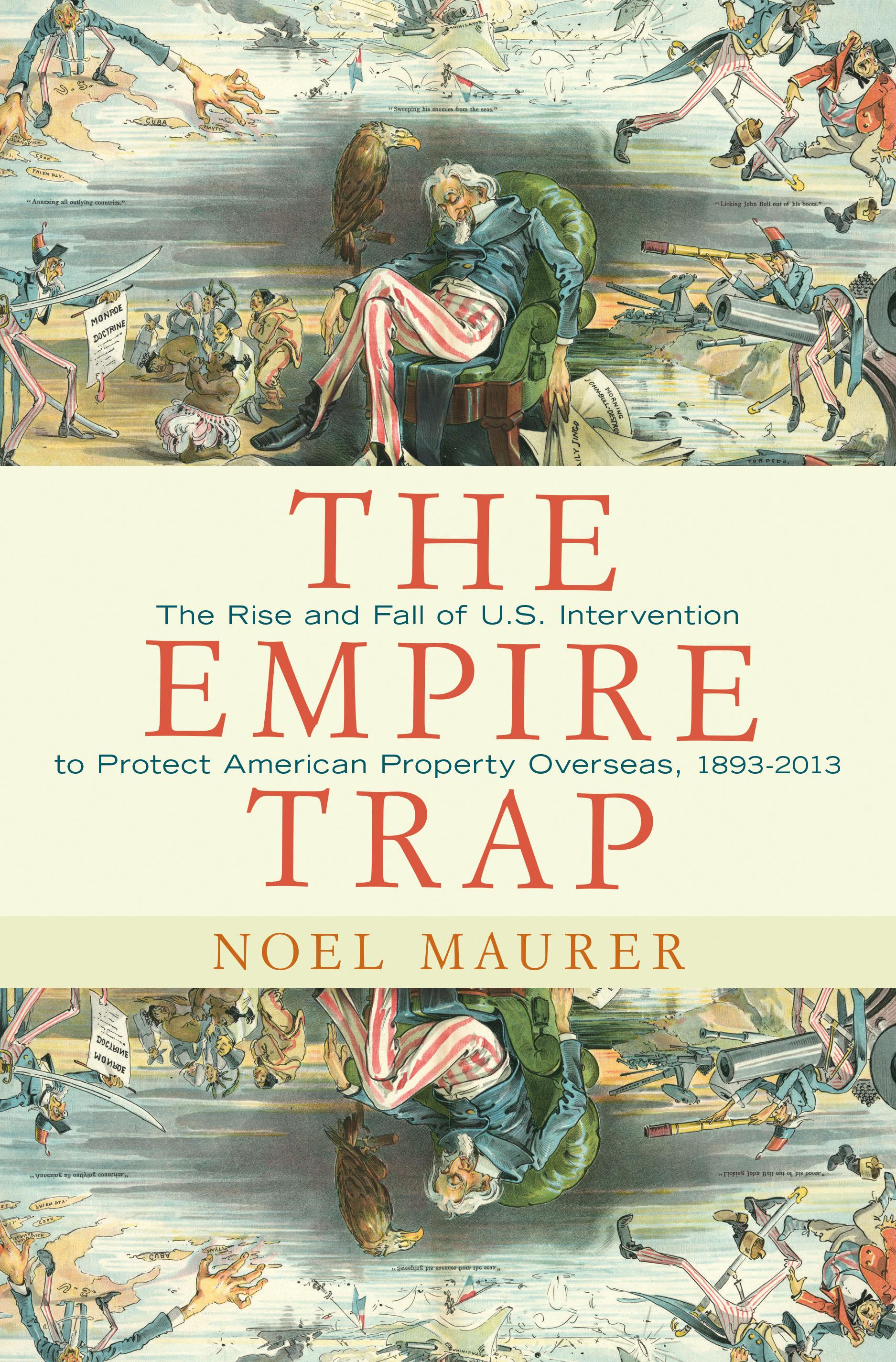
How the United States became an imperial power by bowing to pressure to defend its citizens' overseas investments
Throughout the twentieth century, the U.S. government willingly deployed power, hard and soft, to protect American investments all around the globe. Why did the United States get into the business of defending its citizens' property rights abroad? The Empire Trap looks at how modern U.S. involvement in the empire business began, how American foreign policy became increasingly tied to the sway of private financial interests, and how postwar administrations finally extricated the United States from economic interventionism, even though the government had the will and power to continue.
Noel Maurer examines the ways that American investors initially influenced their government to intercede to protect investments in locations such as Central America and the Caribbean. Costs were small—at least at the outset—but with each incremental step, American policy became increasingly entangled with the goals of those they were backing, making disengagement more difficult. Maurer discusses how, all the way through the 1970s, the United States not only failed to resist pressure to defend American investments, but also remained unsuccessful at altering internal institutions of other countries in order to make property rights secure in the absence of active American involvement. Foreign nations expropriated American investments, but in almost every case the U.S. government's employment of economic sanctions or covert action obtained market value or more in compensation—despite the growing strategic risks. The advent of institutions focusing on international arbitration finally gave the executive branch a credible political excuse not to act. Maurer cautions that these institutions are now under strain and that a collapse might open the empire trap once more.
With shrewd and timely analysis, this book considers American patterns of foreign intervention and the nation's changing role as an imperial power.
Before Memmo my notes were scattered across PDFs. Now a workspace pulls everything into one place — I see exactly what's still left to study.
Memmo's summaries are gold before exams. I don't have to re-read 800 pages two weeks before — just the important parts.
The AI chat has saved me the night before an exam more than once. I just keep asking until I get it — no waiting on a study group to reply.
The quizzes hit exactly what I need to know. Memmo tracks what I get stuck on — so I only practice what's worth it.
Flashcards with spaced repetition are magic. Memmo knows when I'm about to forget something and brings it back.
The AI podcasts are my favorite. I listen on my way to school and get a recap without sitting at a computer.

Handbok i kvalitativa metoder
281 kr

Hållbar utveckling: en introduktion för ingenjörer och andra problemlösare
334 kr

Brymans Samhällsvetenskapliga metoder
390 kr

Projektledning
491 kr

Den orättvisa hälsan: om socioekonomiska skillnader i hälsa och livslängd
326 kr

Organizational Leadership
429 kr

Vetenskapsteori för nybörjare
196 kr

På väg mot läraryrket
172 kr

Det sociala livet i skolan: Socialpsykologiska perspektiv
253 kr

Betygsättningens didaktik
151 kr

Personality
402 kr

Studying Leadership
404 kr

Managing Innovation
477 kr

Introduktion till samhällsvetenskaplig metod
347 kr

The Psychology of Sex and Gender
698 kr

Evidens och kunskap för socialt arbete
207 kr

Introduction to Leadership
605 kr