
Before Memmo my notes were scattered across PDFs. Now a workspace pulls everything into one place — I see exactly what's still left to study.
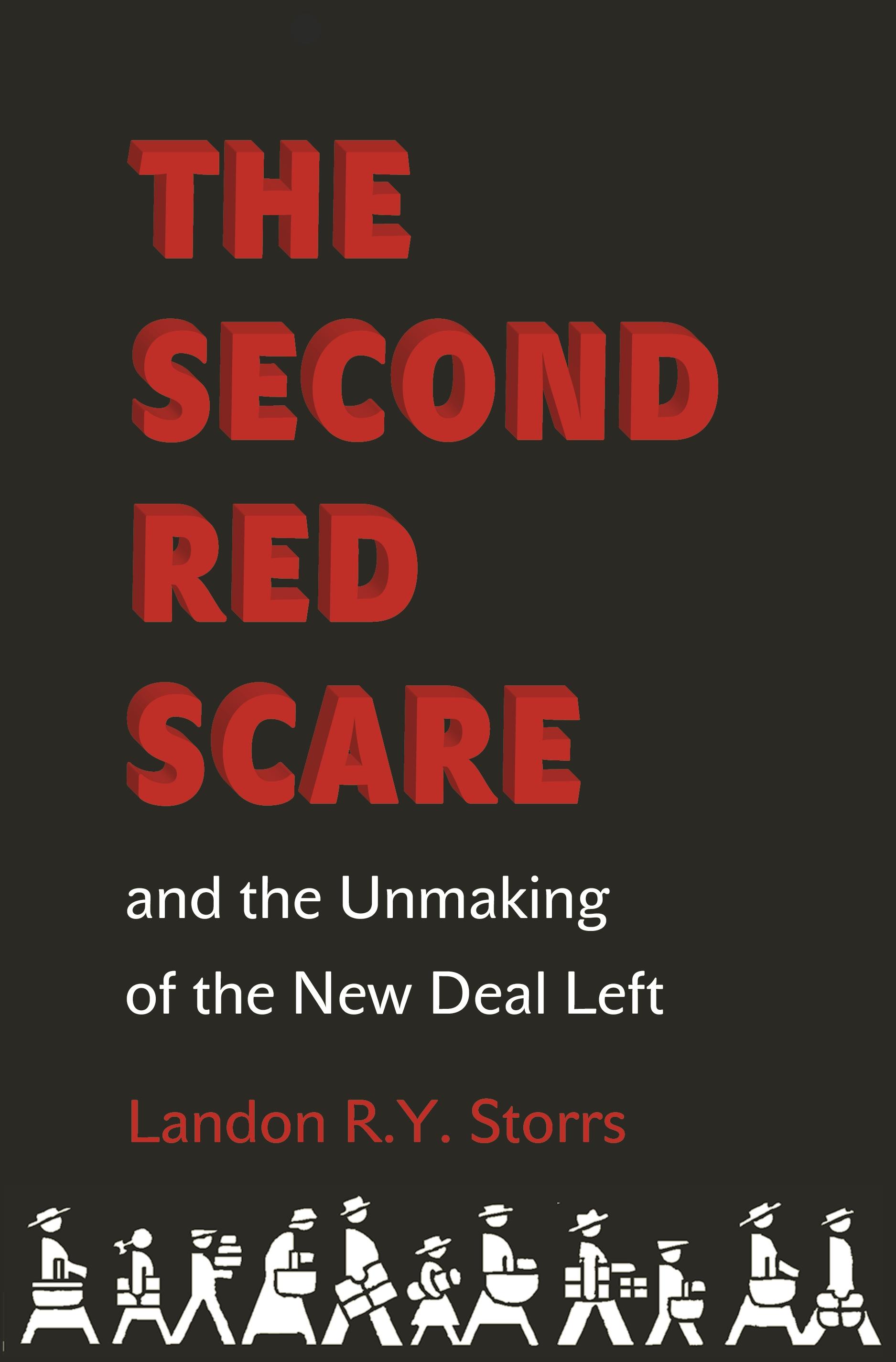
How Red Scare politics undermined the reform potential of the New Deal
In the name of protecting Americans from Soviet espionage, the post-1945 Red Scare curtailed the reform agenda of the New Deal. The crisis of the Great Depression had brought into government a group of policy experts who argued that saving democracy required attacking economic and social inequalities. The influence of these men and women within the Franklin D. Roosevelt administration, and their alliances with progressive social movements, elicited a powerful reaction from conservatives, who accused them of being subversives. Landon Storrs draws on newly declassified records of the federal employee loyalty program—created in response to claims that Communists were infiltrating the U.S. government—to reveal how disloyalty charges were used to silence these New Dealers and discredit their policies.
Because loyalty investigators rarely distinguished between Communists and other leftists, many noncommunist leftists were forced to leave government or deny their political views. Storrs finds that loyalty defendants were more numerous at higher ranks of the civil service than previously thought, and that many were women, or men with accomplished leftist wives. Uncovering a forceful left-feminist presence in the New Deal, she also shows how opponents on the Right exploited popular hostility to powerful women and their supposedly effeminate spouses. The loyalty program not only destroyed many promising careers, it prohibited discussion of social democratic policy ideas in government circles, narrowing the scope of political discourse to this day.
Through a gripping narrative based on remarkable new sources, Storrs demonstrates how the Second Red Scare repressed political debate and constrained U.S. policymaking in fields such as public assistance, national health insurance, labor and consumer protection, civil rights, and international aid.
Before Memmo my notes were scattered across PDFs. Now a workspace pulls everything into one place — I see exactly what's still left to study.
Memmo's summaries are gold before exams. I don't have to re-read 800 pages two weeks before — just the important parts.
The AI chat has saved me the night before an exam more than once. I just keep asking until I get it — no waiting on a study group to reply.
The quizzes hit exactly what I need to know. Memmo tracks what I get stuck on — so I only practice what's worth it.
Flashcards with spaced repetition are magic. Memmo knows when I'm about to forget something and brings it back.
The AI podcasts are my favorite. I listen on my way to school and get a recap without sitting at a computer.

Handbok i kvalitativa metoder
281 kr

Hållbar utveckling: en introduktion för ingenjörer och andra problemlösare
334 kr

Brymans Samhällsvetenskapliga metoder
390 kr

Projektledning
491 kr

Den orättvisa hälsan: om socioekonomiska skillnader i hälsa och livslängd
326 kr

Vetenskapsteori för nybörjare
196 kr

Organizational Leadership
429 kr

På väg mot läraryrket
172 kr

Det sociala livet i skolan: Socialpsykologiska perspektiv
253 kr

Betygsättningens didaktik
151 kr

Personality
402 kr

Studying Leadership
404 kr

Managing Innovation
477 kr

Introduktion till samhällsvetenskaplig metod
347 kr

The Psychology of Sex and Gender
698 kr

Evidens och kunskap för socialt arbete
207 kr

Introduction to Leadership
605 kr