
Before Memmo my notes were scattered across PDFs. Now a workspace pulls everything into one place — I see exactly what's still left to study.
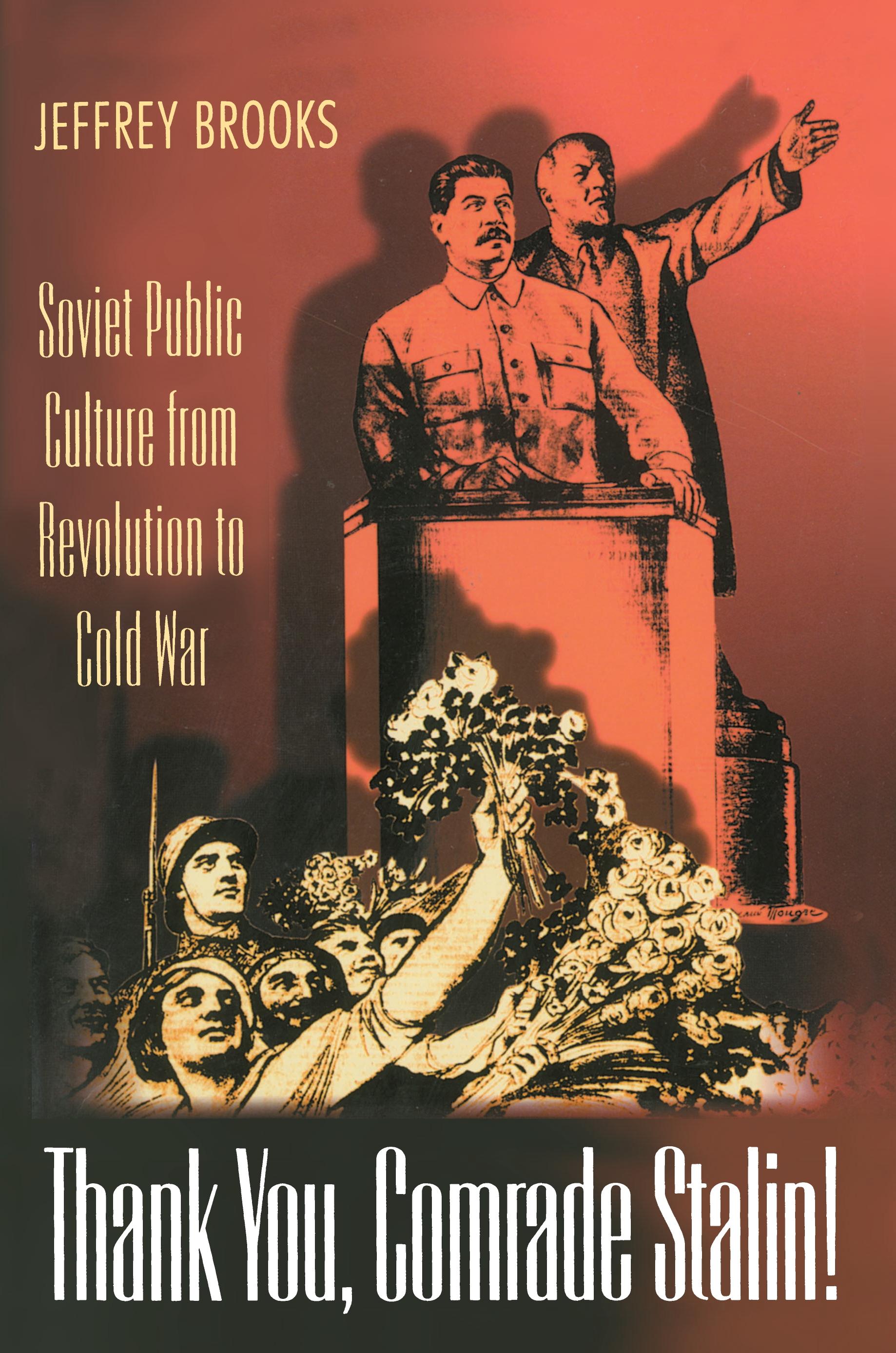
Thank you, our Stalin, for a happy childhood." "Thank you, dear Marshal [Stalin], for our freedom, for our children's happiness, for life." Between the Russian Revolution and the Cold War, Soviet public culture was so dominated by the power of the state that slogans like these appeared routinely in newspapers, on posters, and in government proclamations. In this penetrating historical study, Jeffrey Brooks draws on years of research into the most influential and widely circulated Russian newspapers--including Pravda, Isvestiia, and the army paper Red Star--to explain the origins, the nature, and the effects of this unrelenting idealization of the state, the Communist Party, and the leader.
Brooks shows how, beginning with Lenin, the Communists established a state monopoly of the media that absorbed literature, art, and science into a stylized and ritualistic public culture--a form of political performance that became its own reality and excluded other forms of public reflection. He presents and explains scores of self-congratulatory newspaper articles, including tales of Stalin's supposed achievements and virtue, accounts of the country's allegedly dynamic economy, and warnings about the decadence and cruelty of the capitalist West. Brooks pays particular attention to the role of the press in the reconstruction of the Soviet cultural system to meet the Nazi threat during World War II and in the transformation of national identity from its early revolutionary internationalism to the ideology of the Cold War. He concludes that the country's one-sided public discourse and the pervasive idea that citizens owed the leader gratitude for the "gifts" of goods and services led ultimately to the inability of late Soviet Communism to diagnose its own ills, prepare alternative policies, and adjust to new realities.
The first historical work to explore the close relationship between language and the implementation of the Stalinist-Leninist program, Thank You, Comrade Stalin! is a compelling account of Soviet public culture as reflected through the country's press.
Before Memmo my notes were scattered across PDFs. Now a workspace pulls everything into one place — I see exactly what's still left to study.
Memmo's summaries are gold before exams. I don't have to re-read 800 pages two weeks before — just the important parts.
The AI chat has saved me the night before an exam more than once. I just keep asking until I get it — no waiting on a study group to reply.
The quizzes hit exactly what I need to know. Memmo tracks what I get stuck on — so I only practice what's worth it.
Flashcards with spaced repetition are magic. Memmo knows when I'm about to forget something and brings it back.
The AI podcasts are my favorite. I listen on my way to school and get a recap without sitting at a computer.

Handbok i kvalitativa metoder
281 kr

Hållbar utveckling: en introduktion för ingenjörer och andra problemlösare
334 kr

Brymans Samhällsvetenskapliga metoder
390 kr

Projektledning
491 kr

Den orättvisa hälsan: om socioekonomiska skillnader i hälsa och livslängd
326 kr

Vetenskapsteori för nybörjare
196 kr

Organizational Leadership
429 kr

På väg mot läraryrket
172 kr

Det sociala livet i skolan: Socialpsykologiska perspektiv
253 kr

Betygsättningens didaktik
151 kr

Personality
402 kr

Studying Leadership
404 kr

Managing Innovation
477 kr

Introduktion till samhällsvetenskaplig metod
347 kr

The Psychology of Sex and Gender
698 kr

Evidens och kunskap för socialt arbete
207 kr

Introduction to Leadership
605 kr