
Before Memmo my notes were scattered across PDFs. Now a workspace pulls everything into one place — I see exactly what's still left to study.
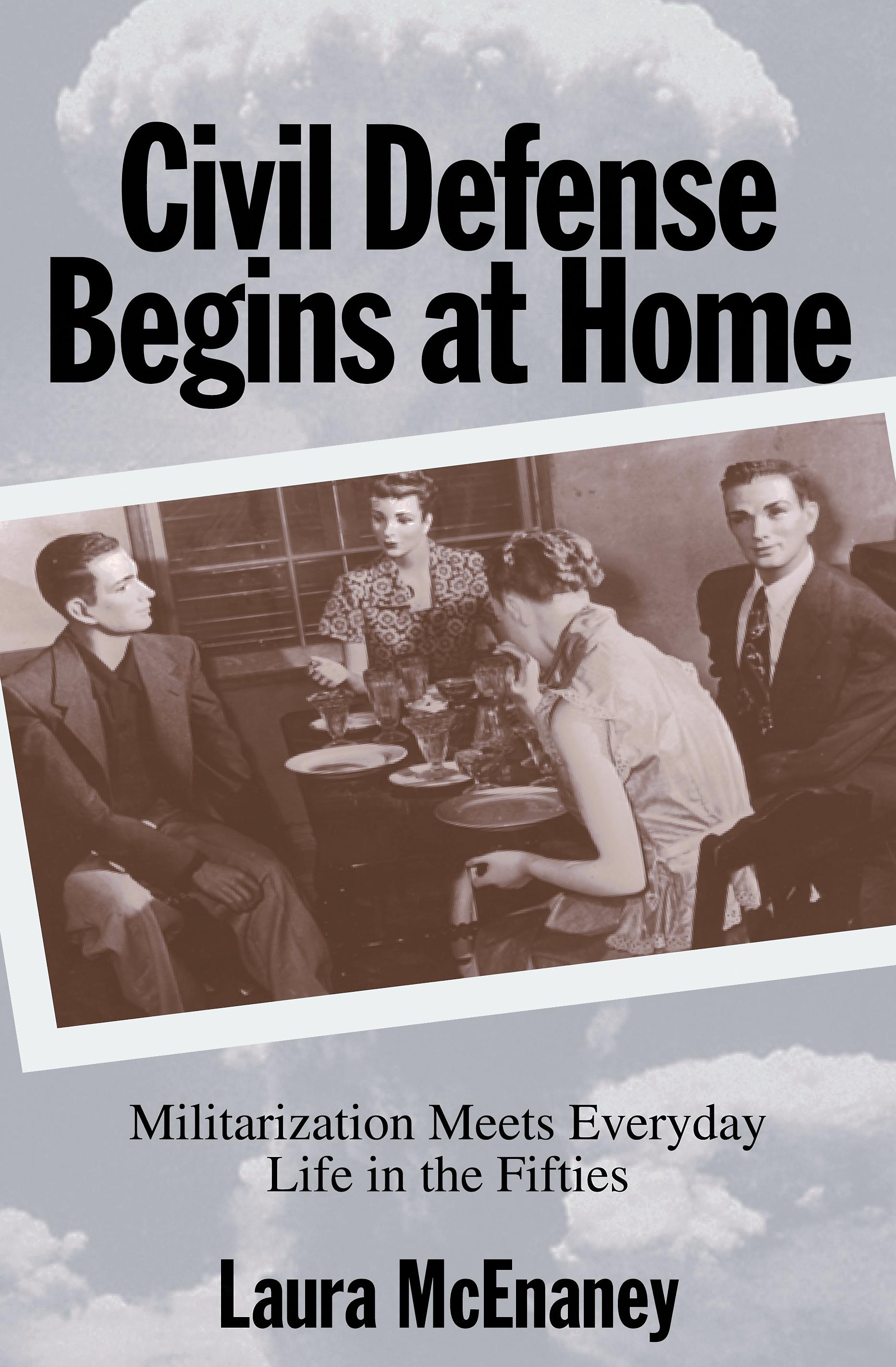
Dad built a bomb shelter in the backyard, Mom stocked the survival kit in the basement, and the kids practiced ducking under their desks at school. This was family life in the new era of the A-bomb. This was civil defense. In this provocative work of social and political history, Laura McEnaney takes us into the secretive world of defense planners and the homes of ordinary citizens to explore how postwar civil defense turned the front lawn into the front line. The reliance on atomic weaponry as a centerpiece of U.S. foreign policy cast a mushroom cloud over everyday life. American citizens now had to imagine a new kind of war, one in which they were both combatants and targets. It was the Federal Civil Defense Administration's job to encourage citizens to adapt to their nuclear present and future.
As McEnaney demonstrates, the creation of a civil defense program produced new dilemmas about the degree to which civilian society should be militarized to defend itself against internal and external threats. Conflicts arose about the relative responsibilities of state and citizen to fund and implement a home-front security program. The defense establishment's resolution was to popularize and privatize military preparedness. The doctrine of "self-help" defense demanded that citizens become autonomous rather than rely on the federal government for protection. Families would reconstitute themselves as paramilitary units that could quash subversion from within and absorb attack from without.
Because it solicited an unprecedented degree of popular involvement, the FCDA offers a unique opportunity to explore how average citizens, community leaders, and elected officials both participated in and resisted the creation of the national security state. Drawing on a wide variety of archival sources, McEnaney uncovers the broad range of responses to this militarization of daily life and reveals how government planners and ordinary people negotiated their way at the dawn of the atomic age. Her work sheds new light on the important postwar debate about what total military preparedness would actually mean for American society.
Before Memmo my notes were scattered across PDFs. Now a workspace pulls everything into one place — I see exactly what's still left to study.
Memmo's summaries are gold before exams. I don't have to re-read 800 pages two weeks before — just the important parts.
The AI chat has saved me the night before an exam more than once. I just keep asking until I get it — no waiting on a study group to reply.
The quizzes hit exactly what I need to know. Memmo tracks what I get stuck on — so I only practice what's worth it.
Flashcards with spaced repetition are magic. Memmo knows when I'm about to forget something and brings it back.
The AI podcasts are my favorite. I listen on my way to school and get a recap without sitting at a computer.

Handbok i kvalitativa metoder
281 kr

Hållbar utveckling: en introduktion för ingenjörer och andra problemlösare
334 kr

Brymans Samhällsvetenskapliga metoder
390 kr

Projektledning
491 kr

Den orättvisa hälsan: om socioekonomiska skillnader i hälsa och livslängd
326 kr

Vetenskapsteori för nybörjare
196 kr

Organizational Leadership
429 kr

På väg mot läraryrket
172 kr

Det sociala livet i skolan: Socialpsykologiska perspektiv
253 kr

Betygsättningens didaktik
151 kr

Personality
402 kr

Studying Leadership
404 kr

Managing Innovation
477 kr

Introduktion till samhällsvetenskaplig metod
347 kr

The Psychology of Sex and Gender
698 kr

Evidens och kunskap för socialt arbete
207 kr

Introduction to Leadership
605 kr