
Before Memmo my notes were scattered across PDFs. Now a workspace pulls everything into one place — I see exactly what's still left to study.
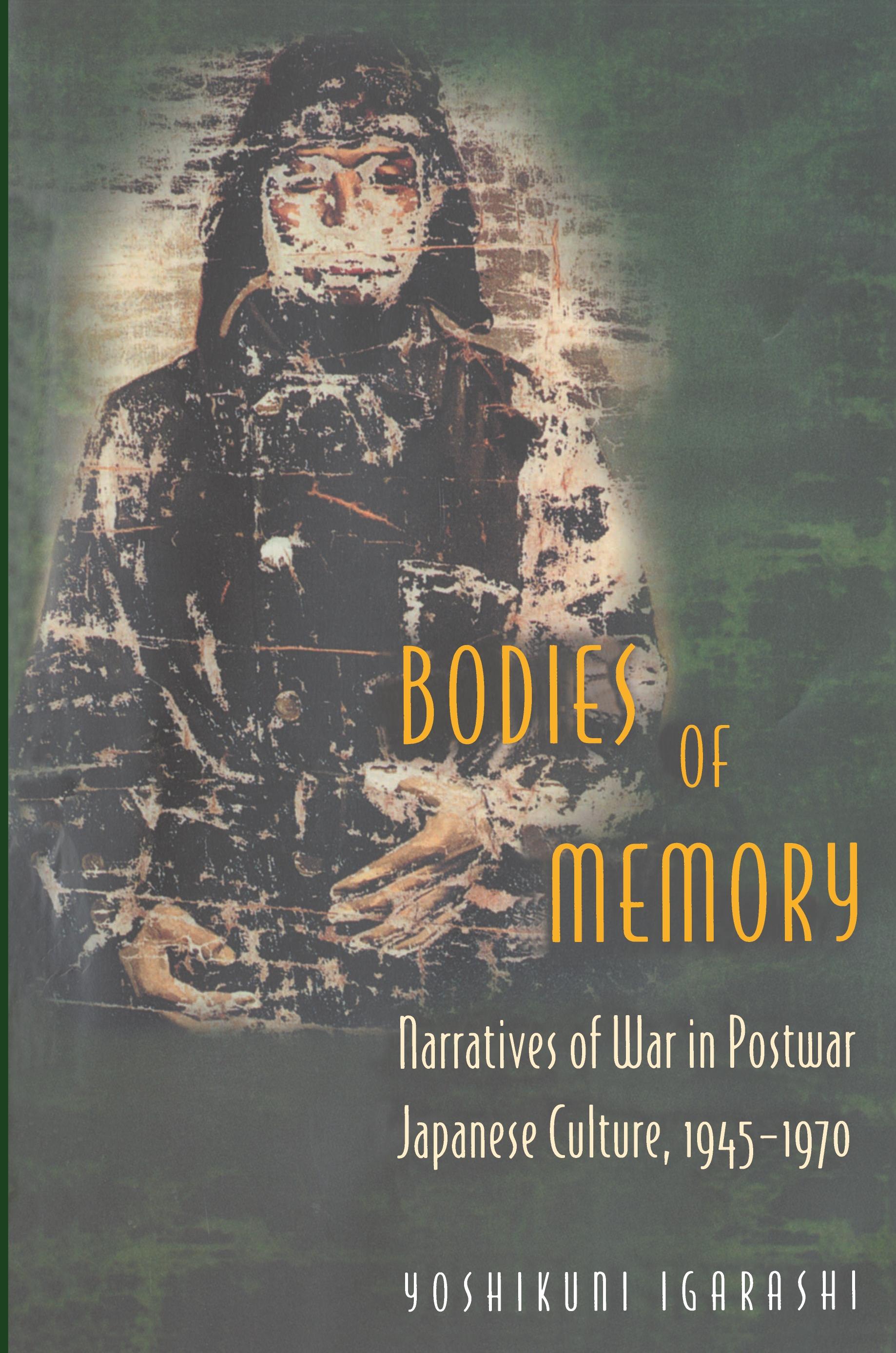
Japan and the United States became close political allies so quickly after the end of World War II, that it seemed as though the two countries had easily forgotten the war they had fought. Here Yoshikuni Igarashi offers a provocative look at how Japanese postwar society struggled to understand its war loss and the resulting national trauma, even as forces within the society sought to suppress these memories. Igarashi argues that Japan's nationhood survived the war's destruction in part through a popular culture that expressed memories of loss and devastation more readily than political discourse ever could. He shows how the desire to represent the past motivated Japan's cultural productions in the first twenty-five years of the postwar period.
Japanese war experiences were often described through narrative devices that downplayed the war's disruptive effects on Japan's history. Rather than treat these narratives as obstacles to historical inquiry, Igarashi reads them along with counter-narratives that attempted to register the original impact of the war. He traces the tensions between remembering and forgetting by focusing on the body as the central site for Japan's production of the past. This approach leads to fascinating discussions of such diverse topics as the use of the atomic bomb, hygiene policies under the U.S. occupation, the monstrous body of Godzilla, the first Western professional wrestling matches in Japan, the transformation of Tokyo and the athletic body for the 1964 Tokyo Olympics, and the writer Yukio Mishima's dramatic suicide, while providing a fresh critical perspective on the war legacy of Japan.
Before Memmo my notes were scattered across PDFs. Now a workspace pulls everything into one place — I see exactly what's still left to study.
Memmo's summaries are gold before exams. I don't have to re-read 800 pages two weeks before — just the important parts.
The AI chat has saved me the night before an exam more than once. I just keep asking until I get it — no waiting on a study group to reply.
The quizzes hit exactly what I need to know. Memmo tracks what I get stuck on — so I only practice what's worth it.
Flashcards with spaced repetition are magic. Memmo knows when I'm about to forget something and brings it back.
The AI podcasts are my favorite. I listen on my way to school and get a recap without sitting at a computer.

Handbok i kvalitativa metoder
281 kr

Hållbar utveckling: en introduktion för ingenjörer och andra problemlösare
334 kr

Brymans Samhällsvetenskapliga metoder
390 kr

Projektledning
491 kr

Den orättvisa hälsan: om socioekonomiska skillnader i hälsa och livslängd
326 kr

Vetenskapsteori för nybörjare
196 kr

Organizational Leadership
429 kr

På väg mot läraryrket
172 kr

Det sociala livet i skolan: Socialpsykologiska perspektiv
253 kr

Betygsättningens didaktik
151 kr

Personality
402 kr

Studying Leadership
404 kr

Managing Innovation
477 kr

Introduktion till samhällsvetenskaplig metod
347 kr

The Psychology of Sex and Gender
698 kr

Evidens och kunskap för socialt arbete
207 kr

Introduction to Leadership
605 kr