
Before Memmo my notes were scattered across PDFs. Now a workspace pulls everything into one place — I see exactly what's still left to study.
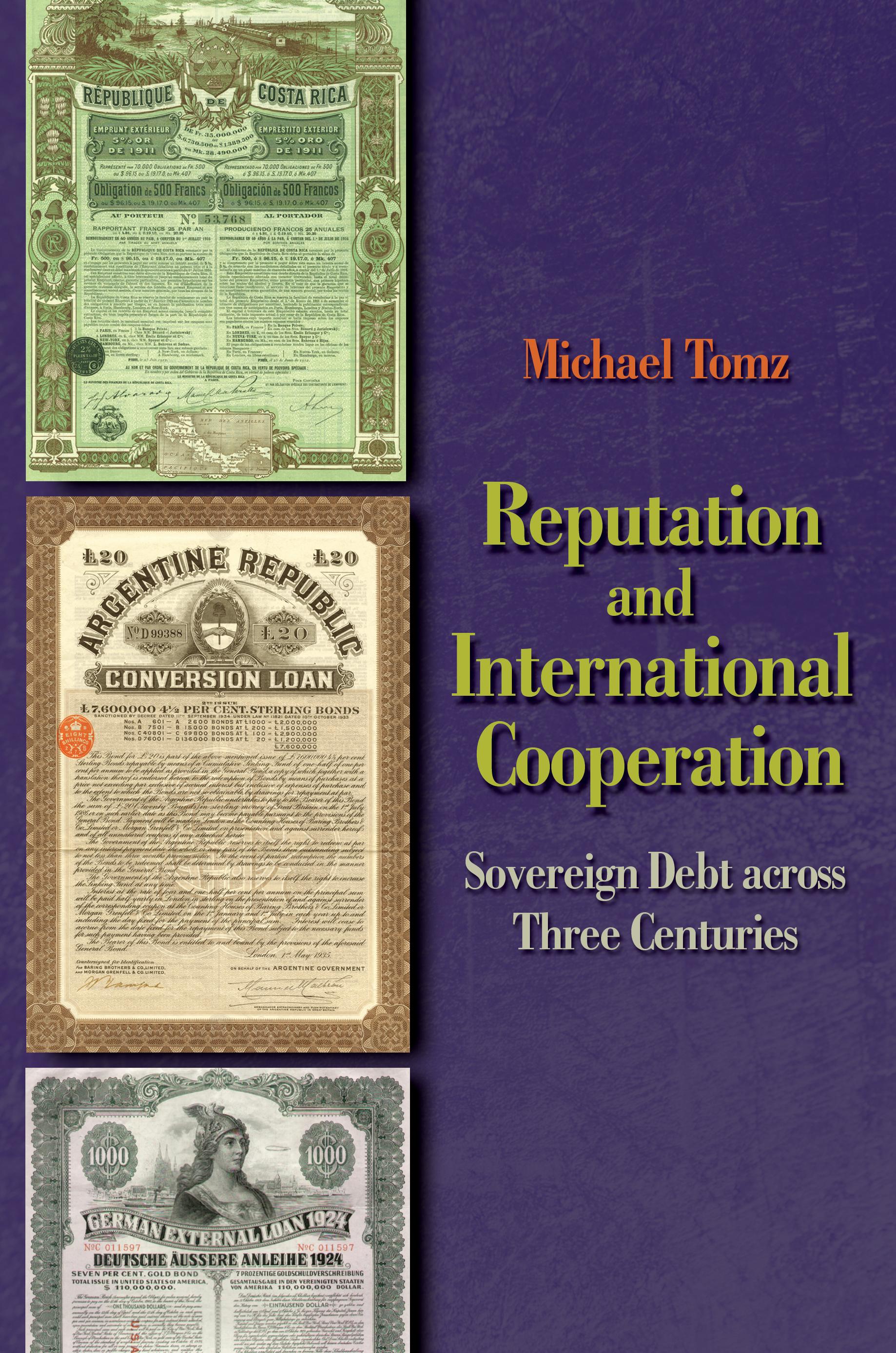
How does cooperation emerge in a condition of international anarchy? Michael Tomz sheds new light on this fundamental question through a study of international debt across three centuries. Tomz develops a reputational theory of cooperation between sovereign governments and foreign investors. He explains how governments acquire reputations in the eyes of investors, and argues that concerns about reputation sustain international lending and repayment.
Tomz's theory generates novel predictions about the dynamics of cooperation: how investors treat first-time borrowers, how access to credit evolves as debtors become more seasoned, and how countries ascend and descend the reputational ladder by acting contrary to investors' expectations. Tomz systematically tests his theory and the leading alternatives across three centuries of financial history. His remarkable data, gathered from archives in nine countries, cover all sovereign borrowers. He deftly combines statistical methods, case studies, and content analysis to scrutinize theories from as many angles as possible.
Tomz finds strong support for his reputational theory while challenging prevailing views about sovereign debt. His pathbreaking study shows that, across the centuries, reputations have guided lending and repayment in consistent ways. Moreover, Tomz uncovers surprisingly little evidence of punitive enforcement strategies. Creditors have not compelled borrowers to repay by threatening military retaliation, imposing trade sanctions, or colluding to deprive defaulters of future loans. He concludes by highlighting the implications of his reputational logic for areas beyond sovereign debt, further advancing our understanding of the puzzle of cooperation under anarchy.
Before Memmo my notes were scattered across PDFs. Now a workspace pulls everything into one place — I see exactly what's still left to study.
Memmo's summaries are gold before exams. I don't have to re-read 800 pages two weeks before — just the important parts.
The AI chat has saved me the night before an exam more than once. I just keep asking until I get it — no waiting on a study group to reply.
The quizzes hit exactly what I need to know. Memmo tracks what I get stuck on — so I only practice what's worth it.
Flashcards with spaced repetition are magic. Memmo knows when I'm about to forget something and brings it back.
The AI podcasts are my favorite. I listen on my way to school and get a recap without sitting at a computer.

Handbok i kvalitativa metoder
281 kr

Hållbar utveckling: en introduktion för ingenjörer och andra problemlösare
334 kr

Brymans Samhällsvetenskapliga metoder
390 kr

Projektledning
491 kr

Den orättvisa hälsan: om socioekonomiska skillnader i hälsa och livslängd
326 kr

Vetenskapsteori för nybörjare
196 kr

Organizational Leadership
429 kr

På väg mot läraryrket
172 kr

Det sociala livet i skolan: Socialpsykologiska perspektiv
253 kr

Betygsättningens didaktik
151 kr

Personality
402 kr

Studying Leadership
404 kr

Managing Innovation
477 kr

Introduktion till samhällsvetenskaplig metod
347 kr

The Psychology of Sex and Gender
698 kr

Evidens och kunskap för socialt arbete
207 kr

Introduction to Leadership
605 kr