
Before Memmo my notes were scattered across PDFs. Now a workspace pulls everything into one place — I see exactly what's still left to study.
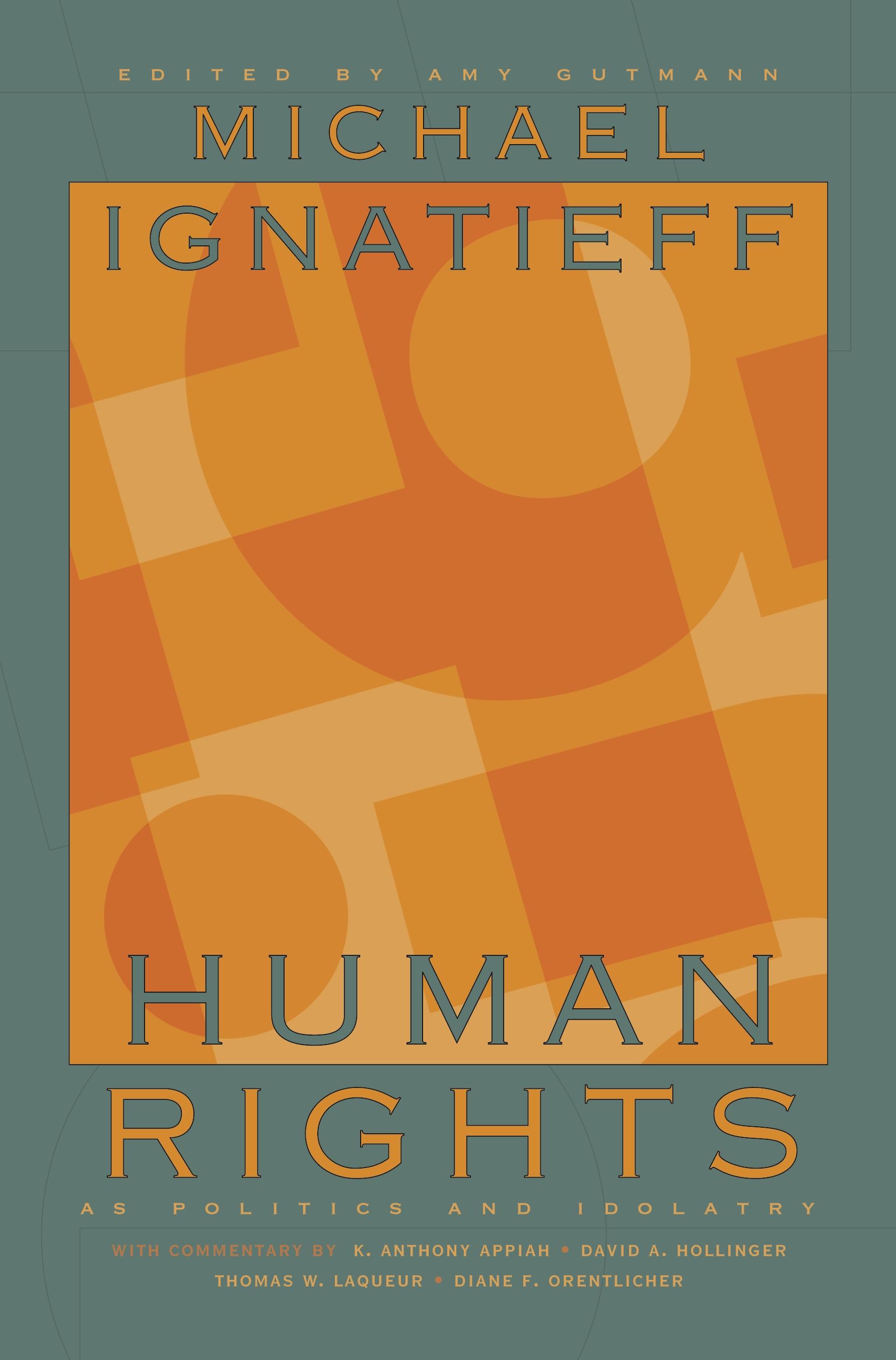
Michael Ignatieff draws on his extensive experience as a writer and commentator on world affairs to present a penetrating account of the successes, failures, and prospects of the human rights revolution. Since the United Nations adopted the Universal Declaration of Human Rights in 1948, this revolution has brought the world moral progress and broken the nation-state's monopoly on the conduct of international affairs. But it has also faced challenges. Ignatieff argues that human rights activists have rightly drawn criticism from Asia, the Islamic world, and within the West itself for being overambitious and unwilling to accept limits. It is now time, he writes, for activists to embrace a more modest agenda and to reestablish the balance between the rights of states and the rights of citizens.
Ignatieff begins by examining the politics of human rights, assessing when it is appropriate to use the fact of human rights abuse to justify intervention in other countries. He then explores the ideas that underpin human rights, warning that human rights must not become an idolatry. In the spirit of Isaiah Berlin, he argues that human rights can command universal assent only if they are designed to protect and enhance the capacity of individuals to lead the lives they wish. By embracing this approach and recognizing that state sovereignty is the best guarantee against chaos, Ignatieff concludes, Western nations will have a better chance of extending the real progress of the past fifty years. Throughout, Ignatieff balances idealism with a sure sense of practical reality earned from his years of travel in zones of war and political turmoil around the globe.
Based on the Tanner Lectures that Ignatieff delivered at Princeton University's Center for Human Values in 2000, the book includes two chapters by Ignatieff, an introduction by Amy Gutmann, comments by four leading scholars--K. Anthony Appiah, David A. Hollinger, Thomas W. Laqueur, and Diane F. Orentlicher--and a response by Ignatieff.
Before Memmo my notes were scattered across PDFs. Now a workspace pulls everything into one place — I see exactly what's still left to study.
Memmo's summaries are gold before exams. I don't have to re-read 800 pages two weeks before — just the important parts.
The AI chat has saved me the night before an exam more than once. I just keep asking until I get it — no waiting on a study group to reply.
The quizzes hit exactly what I need to know. Memmo tracks what I get stuck on — so I only practice what's worth it.
Flashcards with spaced repetition are magic. Memmo knows when I'm about to forget something and brings it back.
The AI podcasts are my favorite. I listen on my way to school and get a recap without sitting at a computer.

Handbok i kvalitativa metoder
281 kr

Hållbar utveckling: en introduktion för ingenjörer och andra problemlösare
334 kr

Brymans Samhällsvetenskapliga metoder
390 kr

Projektledning
491 kr

Den orättvisa hälsan: om socioekonomiska skillnader i hälsa och livslängd
326 kr

Vetenskapsteori för nybörjare
196 kr

Organizational Leadership
429 kr

På väg mot läraryrket
172 kr

Det sociala livet i skolan: Socialpsykologiska perspektiv
253 kr

Betygsättningens didaktik
151 kr

Personality
402 kr

Studying Leadership
404 kr

Managing Innovation
477 kr

Introduktion till samhällsvetenskaplig metod
347 kr

The Psychology of Sex and Gender
698 kr

Evidens och kunskap för socialt arbete
207 kr

Introduction to Leadership
605 kr