
Before Memmo my notes were scattered across PDFs. Now a workspace pulls everything into one place — I see exactly what's still left to study.
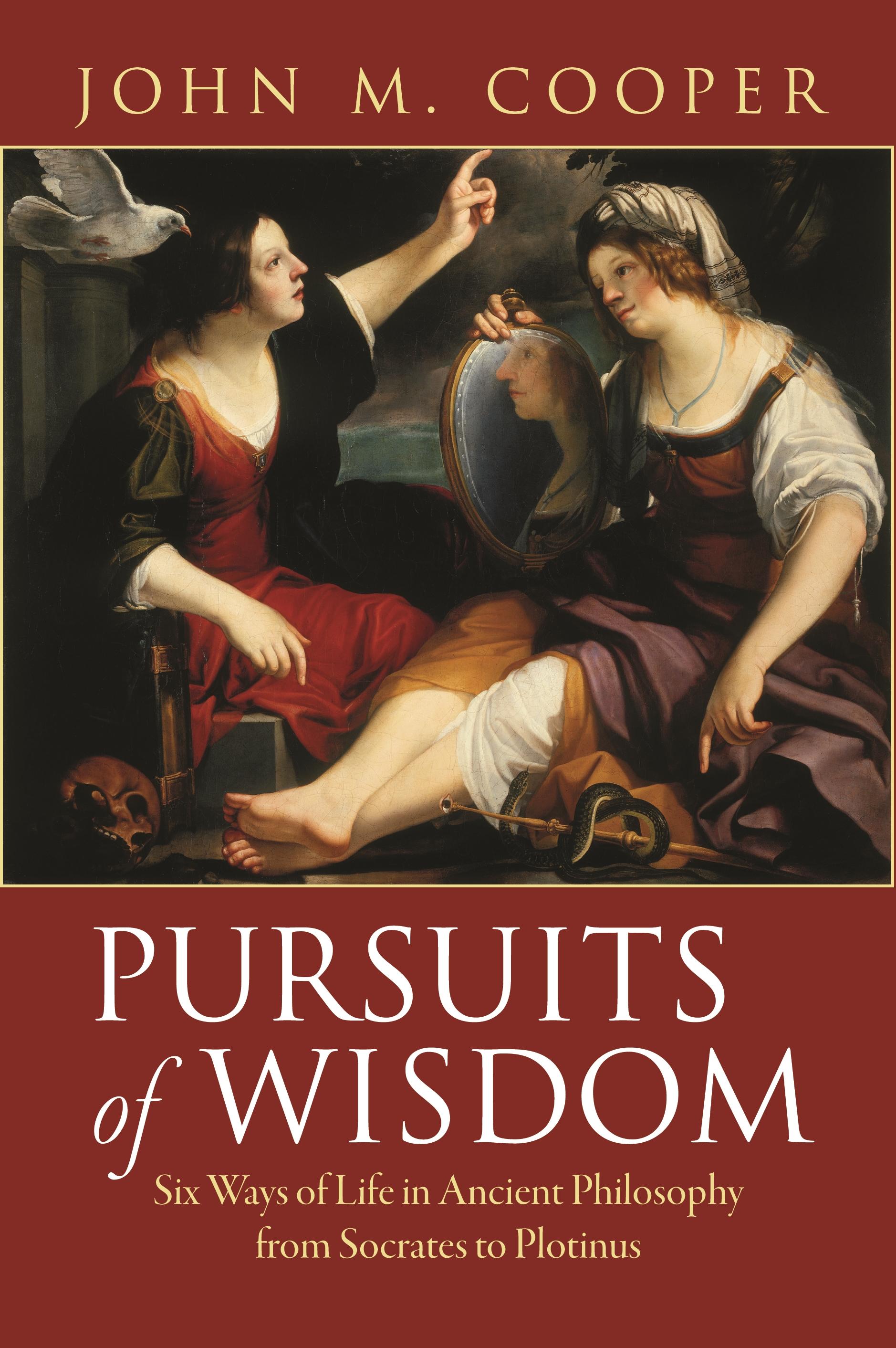
This is a major reinterpretation of ancient philosophy that recovers the long Greek and Roman tradition of philosophy as a complete way of life--and not simply an intellectual discipline. Distinguished philosopher John Cooper traces how, for many ancient thinkers, philosophy was not just to be studied or even used to solve particular practical problems. Rather, philosophy--not just ethics but even logic and physical theory--was literally to be lived. Yet there was great disagreement about how to live philosophically: philosophy was not one but many, mutually opposed, ways of life. Examining this tradition from its establishment by Socrates in the fifth century BCE through Plotinus in the third century CE and the eclipse of pagan philosophy by Christianity, Pursuits of Wisdom examines six central philosophies of living--Socratic, Aristotelian, Stoic, Epicurean, Skeptic, and the Platonist life of late antiquity.
The book describes the shared assumptions that allowed these thinkers to conceive of their philosophies as ways of life, as well as the distinctive ideas that led them to widely different conclusions about the best human life. Clearing up many common misperceptions and simplifications, Cooper explains in detail the Socratic devotion to philosophical discussion about human nature, human life, and human good; the Aristotelian focus on the true place of humans within the total system of the natural world; the Stoic commitment to dutifully accepting Zeus's plans; the Epicurean pursuit of pleasure through tranquil activities that exercise perception, thought, and feeling; the Skeptical eschewal of all critical reasoning in forming their beliefs; and, finally, the late Platonist emphasis on spiritual concerns and the eternal realm of Being.
Pursuits of Wisdom is essential reading for anyone interested in understanding what the great philosophers of antiquity thought was the true purpose of philosophy--and of life.
Before Memmo my notes were scattered across PDFs. Now a workspace pulls everything into one place — I see exactly what's still left to study.
Memmo's summaries are gold before exams. I don't have to re-read 800 pages two weeks before — just the important parts.
The AI chat has saved me the night before an exam more than once. I just keep asking until I get it — no waiting on a study group to reply.
The quizzes hit exactly what I need to know. Memmo tracks what I get stuck on — so I only practice what's worth it.
Flashcards with spaced repetition are magic. Memmo knows when I'm about to forget something and brings it back.
The AI podcasts are my favorite. I listen on my way to school and get a recap without sitting at a computer.

Handbok i kvalitativa metoder
281 kr

Hållbar utveckling: en introduktion för ingenjörer och andra problemlösare
334 kr

Brymans Samhällsvetenskapliga metoder
390 kr

Projektledning
491 kr

Den orättvisa hälsan: om socioekonomiska skillnader i hälsa och livslängd
326 kr

Vetenskapsteori för nybörjare
196 kr

Organizational Leadership
429 kr

På väg mot läraryrket
172 kr

Det sociala livet i skolan: Socialpsykologiska perspektiv
253 kr

Betygsättningens didaktik
151 kr

Personality
402 kr

Studying Leadership
404 kr

Managing Innovation
477 kr

Introduktion till samhällsvetenskaplig metod
347 kr

The Psychology of Sex and Gender
698 kr

Evidens och kunskap för socialt arbete
207 kr

Introduction to Leadership
605 kr