
Before Memmo my notes were scattered across PDFs. Now a workspace pulls everything into one place — I see exactly what's still left to study.
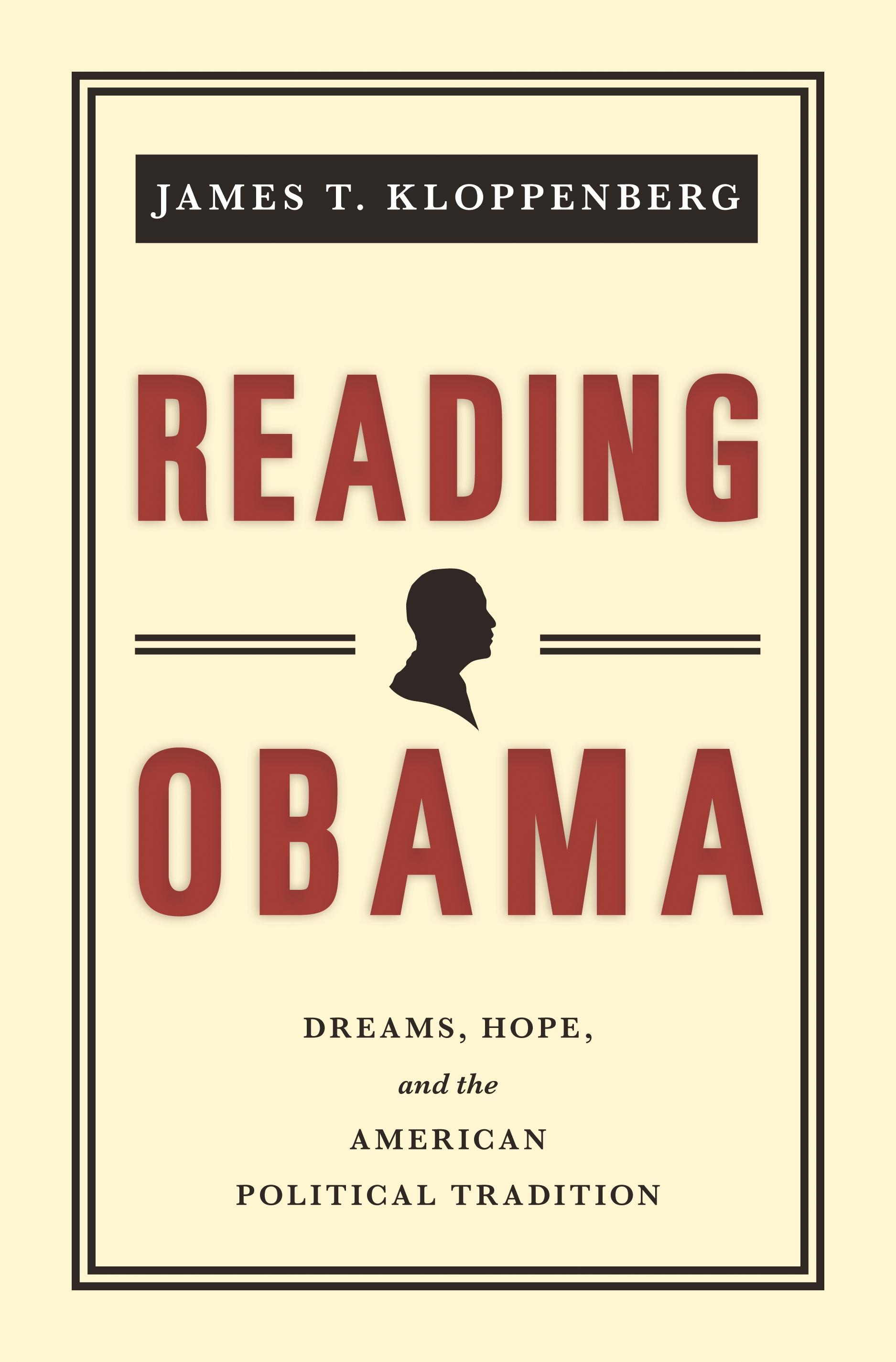
A leading intellectual historian traces the origins of Barack Obama’s ideas
Derided by the Right as dangerous and by the Left as spineless, Barack Obama puzzles observers. In Reading Obama, James T. Kloppenberg reveals the sources of Obama's ideas and explains why his principled aversion to absolutes does not fit contemporary partisan categories. Obama's commitments to deliberation and experimentation derive from sustained engagement with American democratic thought. In a new preface, Kloppenberg explains why Obama has stuck with his commitment to compromise in the first three years of his presidency, despite the criticism it has provoked.
Reading Obama traces the origins of his ideas and establishes him as the most penetrating political thinker elected to the presidency in the past century. Kloppenberg demonstrates the influences that have shaped Obama's distinctive worldview, including Nietzsche and Niebuhr, Ellison and Rawls, and recent theorists engaged in debates about feminism, critical race theory, and cultural norms. Examining Obama's views on the Constitution, slavery and the Civil War, the New Deal, and the civil rights movement, Kloppenberg shows Obama's sophisticated understanding of American history. Obama's interest in compromise, reasoned public debate, and the patient nurturing of civility is a sign of strength, not weakness, Kloppenberg argues. He locates its roots in Madison, Lincoln, and especially in the philosophical pragmatism of William James and John Dewey, which nourished generations of American progressives, black and white, female and male, through much of the twentieth century, albeit with mixed results.
Reading Obama reveals the sources of Obama's commitment to democratic deliberation: the books he has read, the visionaries who have inspired him, the social movements and personal struggles that have shaped his thinking. Kloppenberg shows that Obama's positions on social justice, religion, race, family, and America's role in the world do not stem from a desire to please everyone but from deeply rooted—although currently unfashionable—convictions about how a democracy must deal with difference and conflict.
Before Memmo my notes were scattered across PDFs. Now a workspace pulls everything into one place — I see exactly what's still left to study.
Memmo's summaries are gold before exams. I don't have to re-read 800 pages two weeks before — just the important parts.
The AI chat has saved me the night before an exam more than once. I just keep asking until I get it — no waiting on a study group to reply.
The quizzes hit exactly what I need to know. Memmo tracks what I get stuck on — so I only practice what's worth it.
Flashcards with spaced repetition are magic. Memmo knows when I'm about to forget something and brings it back.
The AI podcasts are my favorite. I listen on my way to school and get a recap without sitting at a computer.

Handbok i kvalitativa metoder
281 kr

Hållbar utveckling: en introduktion för ingenjörer och andra problemlösare
334 kr

Brymans Samhällsvetenskapliga metoder
390 kr

Projektledning
491 kr

Den orättvisa hälsan: om socioekonomiska skillnader i hälsa och livslängd
326 kr

Vetenskapsteori för nybörjare
196 kr

Organizational Leadership
429 kr

På väg mot läraryrket
172 kr

Det sociala livet i skolan: Socialpsykologiska perspektiv
253 kr

Betygsättningens didaktik
151 kr

Personality
402 kr

Studying Leadership
404 kr

Managing Innovation
477 kr

Introduktion till samhällsvetenskaplig metod
347 kr

The Psychology of Sex and Gender
698 kr

Evidens och kunskap för socialt arbete
207 kr

Introduction to Leadership
605 kr