
Before Memmo my notes were scattered across PDFs. Now a workspace pulls everything into one place — I see exactly what's still left to study.
An inside look at how religious diversity came to Princeton
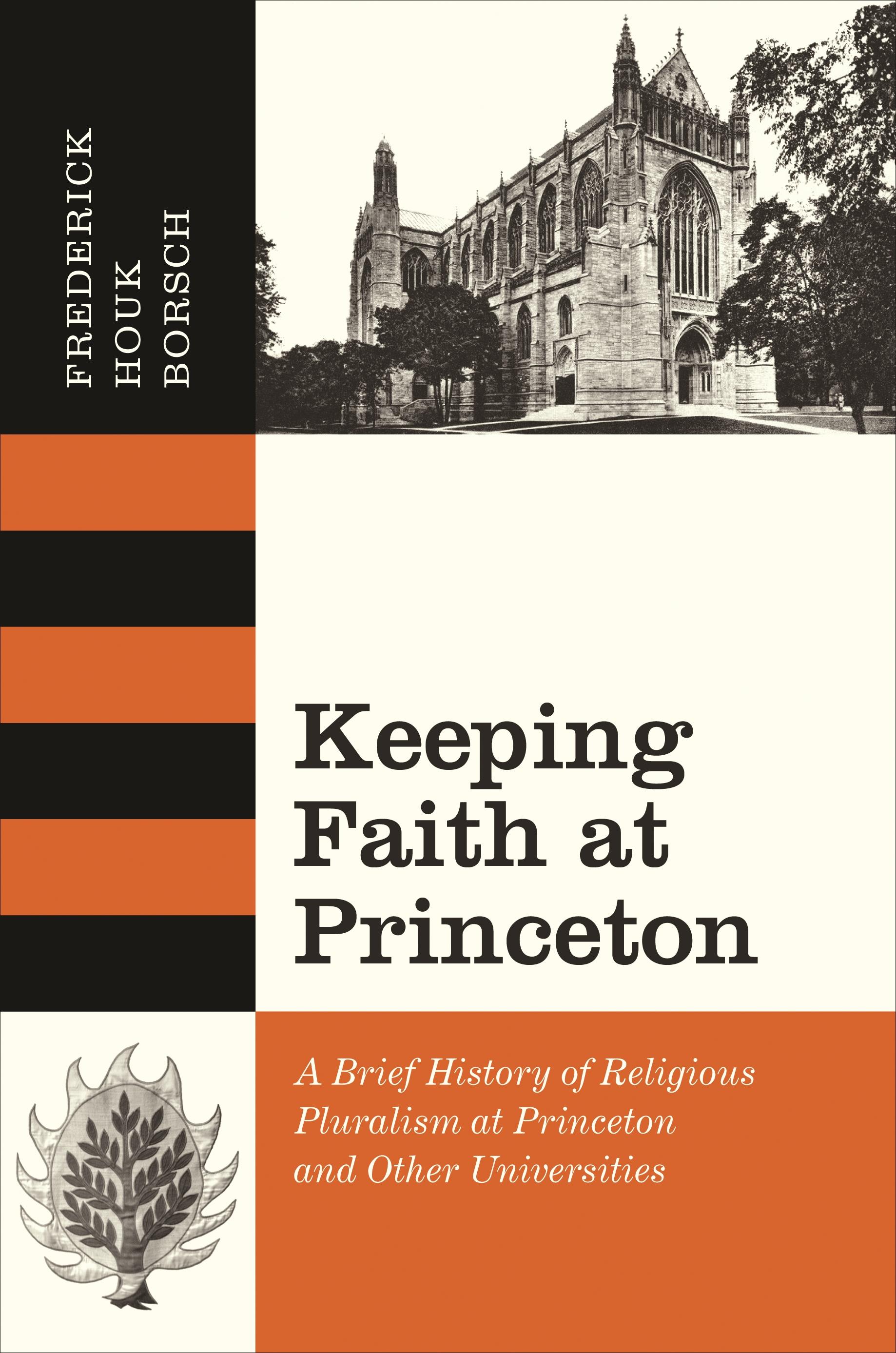
In 1981, Frederick Houk Borsch returned to Princeton University, his alma mater, to serve as dean of the chapel at the Ivy League school. In Keeping Faith at Princeton, Borsch tells the story of Princeton's journey from its founding in 1746 as a college for Presbyterian ministers to the religiously diverse institution it is today. He sets this landmark narrative history against the backdrop of his own quest for spiritual illumination, first as a student at Princeton in the 1950s and later as campus minister amid the turmoil and uncertainty of 1980s America.
Borsch traces how the trauma of the Depression and two world wars challenged the idea of progress through education and religion—the very idea on which Princeton was founded. Even as the numbers of students gaining access to higher education grew exponentially after World War II, student demographics at Princeton and other elite schools remained all male, predominantly white, and Protestant. Then came the 1960s. Campuses across America became battlegrounds for the antiwar movement, civil rights, and gender equality. By the dawn of the Reagan era, women and blacks were being admitted to Princeton. So were greater numbers of Jews, Catholics, and others. Borsch gives an electrifying insider's account of this era of upheaval and great promise.
With warmth, clarity, and penetrating firsthand insights, Keeping Faith at Princeton demonstrates how Princeton and other major American universities learned to promote religious diversity among their students, teachers, and administrators.
Before Memmo my notes were scattered across PDFs. Now a workspace pulls everything into one place — I see exactly what's still left to study.
Memmo's summaries are gold before exams. I don't have to re-read 800 pages two weeks before — just the important parts.
The AI chat has saved me the night before an exam more than once. I just keep asking until I get it — no waiting on a study group to reply.
The quizzes hit exactly what I need to know. Memmo tracks what I get stuck on — so I only practice what's worth it.
Flashcards with spaced repetition are magic. Memmo knows when I'm about to forget something and brings it back.
The AI podcasts are my favorite. I listen on my way to school and get a recap without sitting at a computer.

Handbok i kvalitativa metoder
281 kr

Hållbar utveckling: en introduktion för ingenjörer och andra problemlösare
334 kr

Brymans Samhällsvetenskapliga metoder
390 kr

Projektledning
491 kr

Den orättvisa hälsan: om socioekonomiska skillnader i hälsa och livslängd
326 kr

Organizational Leadership
429 kr

Vetenskapsteori för nybörjare
196 kr

På väg mot läraryrket
172 kr

Det sociala livet i skolan: Socialpsykologiska perspektiv
253 kr

Betygsättningens didaktik
151 kr

Personality
402 kr

Studying Leadership
404 kr

Managing Innovation
477 kr

Introduktion till samhällsvetenskaplig metod
347 kr

The Psychology of Sex and Gender
698 kr

Evidens och kunskap för socialt arbete
207 kr

Introduction to Leadership
605 kr