
Before Memmo my notes were scattered across PDFs. Now a workspace pulls everything into one place — I see exactly what's still left to study.
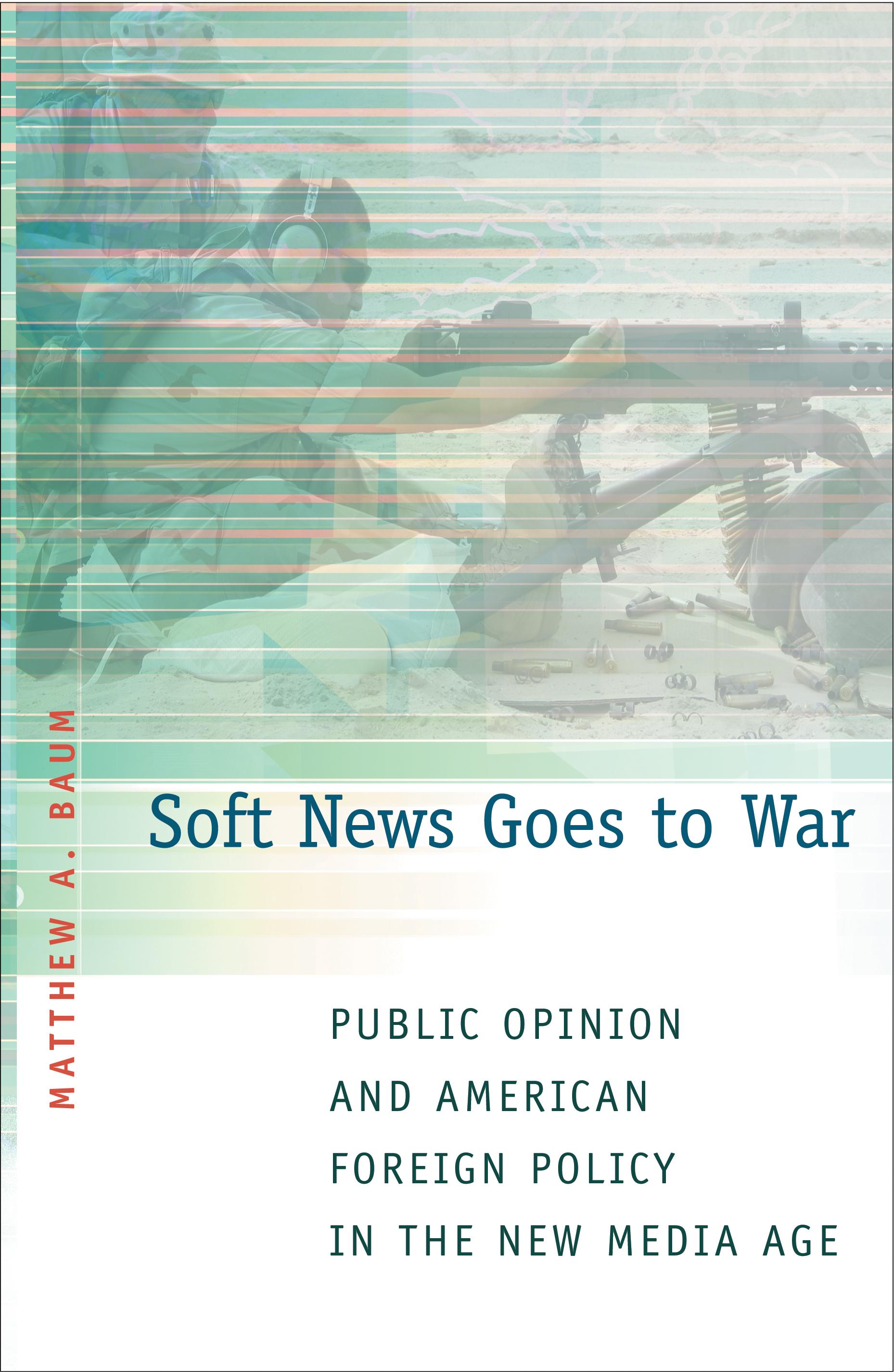
The American public has consistently declared itself less concerned with foreign affairs in the post-Cold War era, even after 9/11, than at any time since World War II. How can it be, then, that public attentiveness to U.S. foreign policy crises has increased? This book represents the first systematic attempt to explain this apparent paradox. Matthew Baum argues that the answer lies in changes to television's presentation of political information. In so doing he develops a compelling "byproduct" theory of information consumption. The information revolution has fundamentally changed the way the mass media, especially television, covers foreign policy. Traditional news has been repackaged into numerous entertainment-oriented news programs and talk shows. By transforming political issues involving scandal or violence (especially attacks against America) into entertainment, the "soft news" media have actually captured more viewers who will now follow news about foreign crises, due to its entertainment value, even if they remain uninterested in foreign policy.
Baum rigorously tests his theory through content analyses of traditional and soft news media coverage of various post-WWII U.S. foreign crises and statistical analyses of public opinion surveys. The results hold key implications for the future of American politics and foreign policy. For instance, watching soft news reinforces isolationism among many inattentive Americans. Scholars, political analysts, and even politicians have tended to ignore the soft news media and politically disengaged citizens. But, as this well-written book cogently demonstrates, soft news viewers represent a largely untapped reservoir of unusually persuadable voters.
Before Memmo my notes were scattered across PDFs. Now a workspace pulls everything into one place — I see exactly what's still left to study.
Memmo's summaries are gold before exams. I don't have to re-read 800 pages two weeks before — just the important parts.
The AI chat has saved me the night before an exam more than once. I just keep asking until I get it — no waiting on a study group to reply.
The quizzes hit exactly what I need to know. Memmo tracks what I get stuck on — so I only practice what's worth it.
Flashcards with spaced repetition are magic. Memmo knows when I'm about to forget something and brings it back.
The AI podcasts are my favorite. I listen on my way to school and get a recap without sitting at a computer.

Handbok i kvalitativa metoder
281 kr

Hållbar utveckling: en introduktion för ingenjörer och andra problemlösare
334 kr

Brymans Samhällsvetenskapliga metoder
390 kr

Projektledning
491 kr

Den orättvisa hälsan: om socioekonomiska skillnader i hälsa och livslängd
326 kr

Organizational Leadership
429 kr

Vetenskapsteori för nybörjare
196 kr

På väg mot läraryrket
172 kr

Det sociala livet i skolan: Socialpsykologiska perspektiv
253 kr

Betygsättningens didaktik
151 kr

Personality
402 kr

Studying Leadership
404 kr

Managing Innovation
477 kr

Introduktion till samhällsvetenskaplig metod
347 kr

The Psychology of Sex and Gender
698 kr

Evidens och kunskap för socialt arbete
207 kr

Introduction to Leadership
605 kr