
Before Memmo my notes were scattered across PDFs. Now a workspace pulls everything into one place — I see exactly what's still left to study.
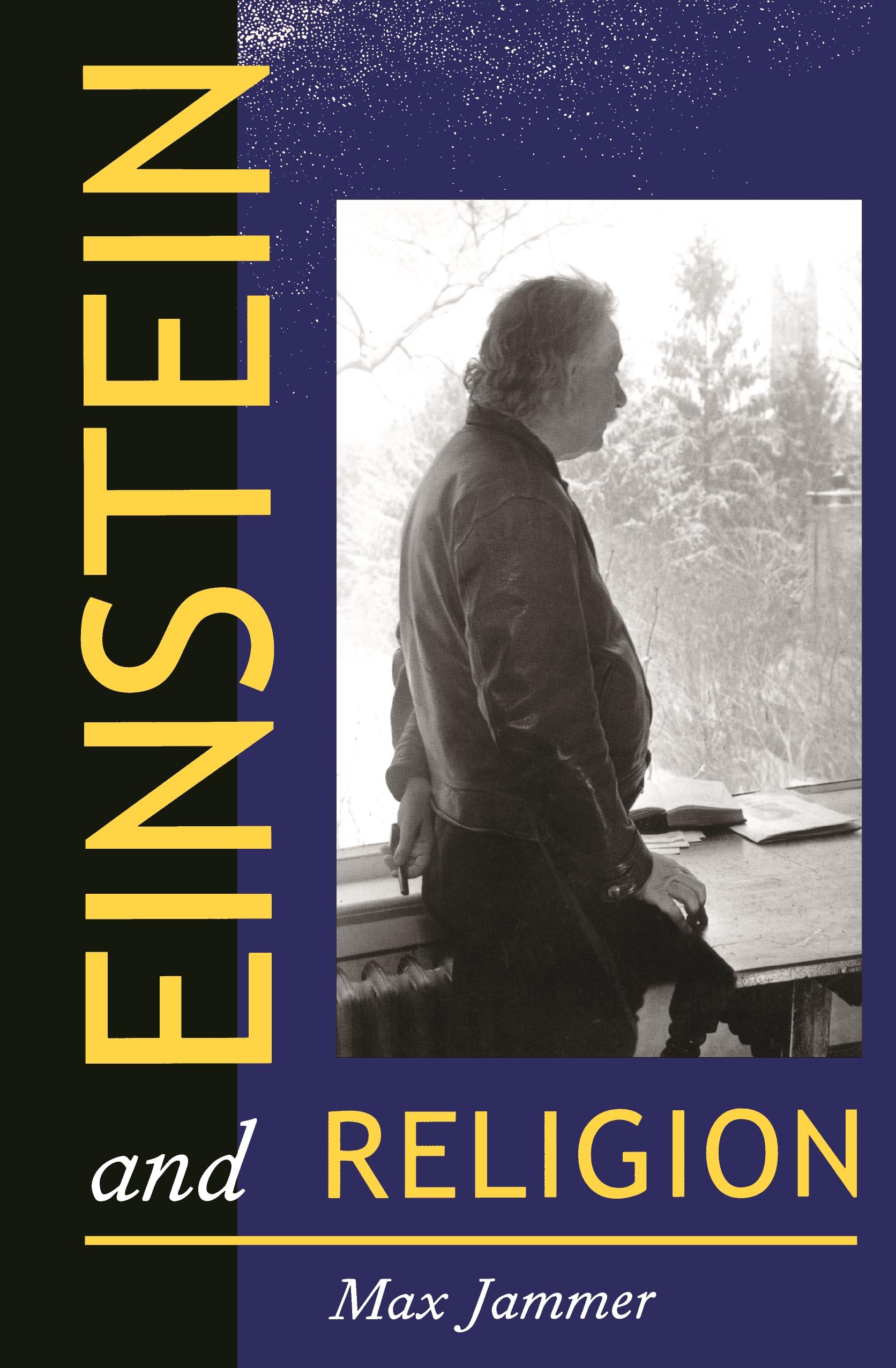
The philosophy of religion and the quest for spiritual truth preoccupied Albert Einstein--so much that it has been said "one might suspect he was a disguised theologian." Nevertheless, the literature on the life and work of Einstein, extensive as it is, does not provide an adequate account of his religious conception and sentiments. Only fragmentarily known, Einstein's ideas about religion have been often distorted both by atheists and by religious groups eager to claim him as one of their own. But what exactly was Einstein's religious credo? In this fascinating book, the distinguished physicist and philosopher Max Jammer offers an unbiased and well-documented answer to this question.
The book begins with a discussion of Einstein's childhood religious education and the religious atmosphere--or its absence--among his family and friends. It then reconstructs, step by step, the intellectual development that led Einstein to the conceptions of a cosmic religion and an impersonal God, akin to "the God of Spinoza." Jammer explores Einstein's writings and lectures on religion and its role in society, and how far they have been accepted by the general public and by professional theologians like Paul Tillich or Frederick Ferré. He also analyzes the precise meaning of Einstein's famous dictum "Science without religion is lame, religion without science is blind," and why this statement can serve as an epitome of Einstein's philosophy of religion.
The last chapter deals with the controversial question of whether Einstein's scientific work, and in particular his theory of relativity, has theologically significant implications, a problem important for those who are interested in the relation between science and religion. Both thought-provoking and engaging, this book aims to introduce readers, without proselytizing, to Einstein's religion.
Before Memmo my notes were scattered across PDFs. Now a workspace pulls everything into one place — I see exactly what's still left to study.
Memmo's summaries are gold before exams. I don't have to re-read 800 pages two weeks before — just the important parts.
The AI chat has saved me the night before an exam more than once. I just keep asking until I get it — no waiting on a study group to reply.
The quizzes hit exactly what I need to know. Memmo tracks what I get stuck on — so I only practice what's worth it.
Flashcards with spaced repetition are magic. Memmo knows when I'm about to forget something and brings it back.
The AI podcasts are my favorite. I listen on my way to school and get a recap without sitting at a computer.

Handbok i kvalitativa metoder
281 kr

Hållbar utveckling: en introduktion för ingenjörer och andra problemlösare
334 kr

Brymans Samhällsvetenskapliga metoder
390 kr

Projektledning
491 kr

Den orättvisa hälsan: om socioekonomiska skillnader i hälsa och livslängd
326 kr

Organizational Leadership
429 kr

Vetenskapsteori för nybörjare
196 kr

På väg mot läraryrket
172 kr

Det sociala livet i skolan: Socialpsykologiska perspektiv
253 kr

Betygsättningens didaktik
151 kr

Personality
402 kr

Studying Leadership
404 kr

Managing Innovation
477 kr

Introduktion till samhällsvetenskaplig metod
347 kr

The Psychology of Sex and Gender
698 kr

Evidens och kunskap för socialt arbete
207 kr

Introduction to Leadership
605 kr