
Before Memmo my notes were scattered across PDFs. Now a workspace pulls everything into one place — I see exactly what's still left to study.
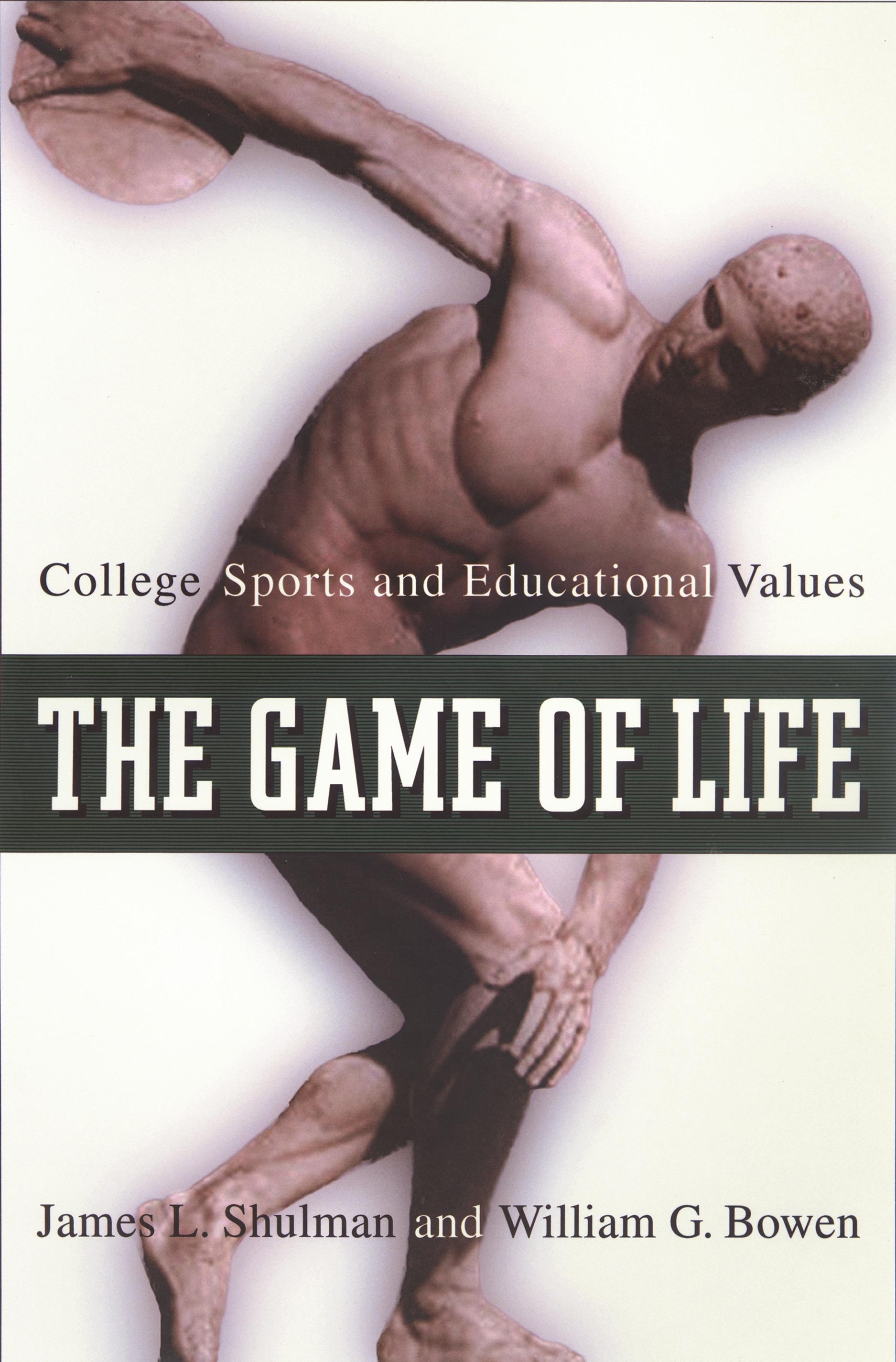
The President of Williams College faces a firestorm for not allowing the women's lacrosse team to postpone exams to attend the playoffs. The University of Michigan loses $2.8 million on athletics despite averaging 110,000 fans at each home football game. Schools across the country struggle with the tradeoffs involved with recruiting athletes and updating facilities for dozens of varsity sports. Does increasing intensification of college sports support or detract from higher education's core mission?
James Shulman and William Bowen introduce facts into a terrain overrun by emotions and enduring myths. Using the same database that informed The Shape of the River, the authors analyze data on 90,000 students who attended thirty selective colleges and universities in the 1950s, 1970s, and 1990s. Drawing also on historical research and new information on giving and spending, the authors demonstrate how athletics influence the class composition and campus ethos of selective schools, as well as the messages that these institutions send to prospective students, their parents, and society at large.
Shulman and Bowen show that athletic programs raise even more difficult questions of educational policy for small private colleges and highly selective universities than they do for big-time scholarship-granting schools. They discover that today's athletes, more so than their predecessors, enter college less academically well-prepared and with different goals and values than their classmates--differences that lead to different lives. They reveal that gender equity efforts have wrought large, sometimes unanticipated changes. And they show that the alumni appetite for winning teams is not--as schools often assume--insatiable. If a culprit emerges, it is the unquestioned spread of a changed athletic culture through the emulation of highly publicized teams by low-profile sports, of men's programs by women's, and of athletic powerhouses by small colleges.
Shulman and Bowen celebrate the benefits of collegiate sports, while identifying the subtle ways in which athletic intensification can pull even prestigious institutions from their missions. By examining how athletes and other graduates view The Game of Life--and how colleges shape society's view of what its rules should be--Bowen and Shulman go far beyond sports. They tell us about higher education today: the ways in which colleges set policies, reinforce or neglect their core mission, and send signals about what matters.
Before Memmo my notes were scattered across PDFs. Now a workspace pulls everything into one place — I see exactly what's still left to study.
Memmo's summaries are gold before exams. I don't have to re-read 800 pages two weeks before — just the important parts.
The AI chat has saved me the night before an exam more than once. I just keep asking until I get it — no waiting on a study group to reply.
The quizzes hit exactly what I need to know. Memmo tracks what I get stuck on — so I only practice what's worth it.
Flashcards with spaced repetition are magic. Memmo knows when I'm about to forget something and brings it back.
The AI podcasts are my favorite. I listen on my way to school and get a recap without sitting at a computer.

Handbok i kvalitativa metoder
281 kr

Hållbar utveckling: en introduktion för ingenjörer och andra problemlösare
334 kr

Brymans Samhällsvetenskapliga metoder
390 kr

Projektledning
491 kr

Den orättvisa hälsan: om socioekonomiska skillnader i hälsa och livslängd
326 kr

Vetenskapsteori för nybörjare
196 kr

Organizational Leadership
429 kr

På väg mot läraryrket
172 kr

Det sociala livet i skolan: Socialpsykologiska perspektiv
253 kr

Betygsättningens didaktik
151 kr

Personality
402 kr

Studying Leadership
404 kr

Managing Innovation
477 kr

Introduktion till samhällsvetenskaplig metod
347 kr

The Psychology of Sex and Gender
698 kr

Evidens och kunskap för socialt arbete
207 kr

Introduction to Leadership
605 kr