
Before Memmo my notes were scattered across PDFs. Now a workspace pulls everything into one place — I see exactly what's still left to study.
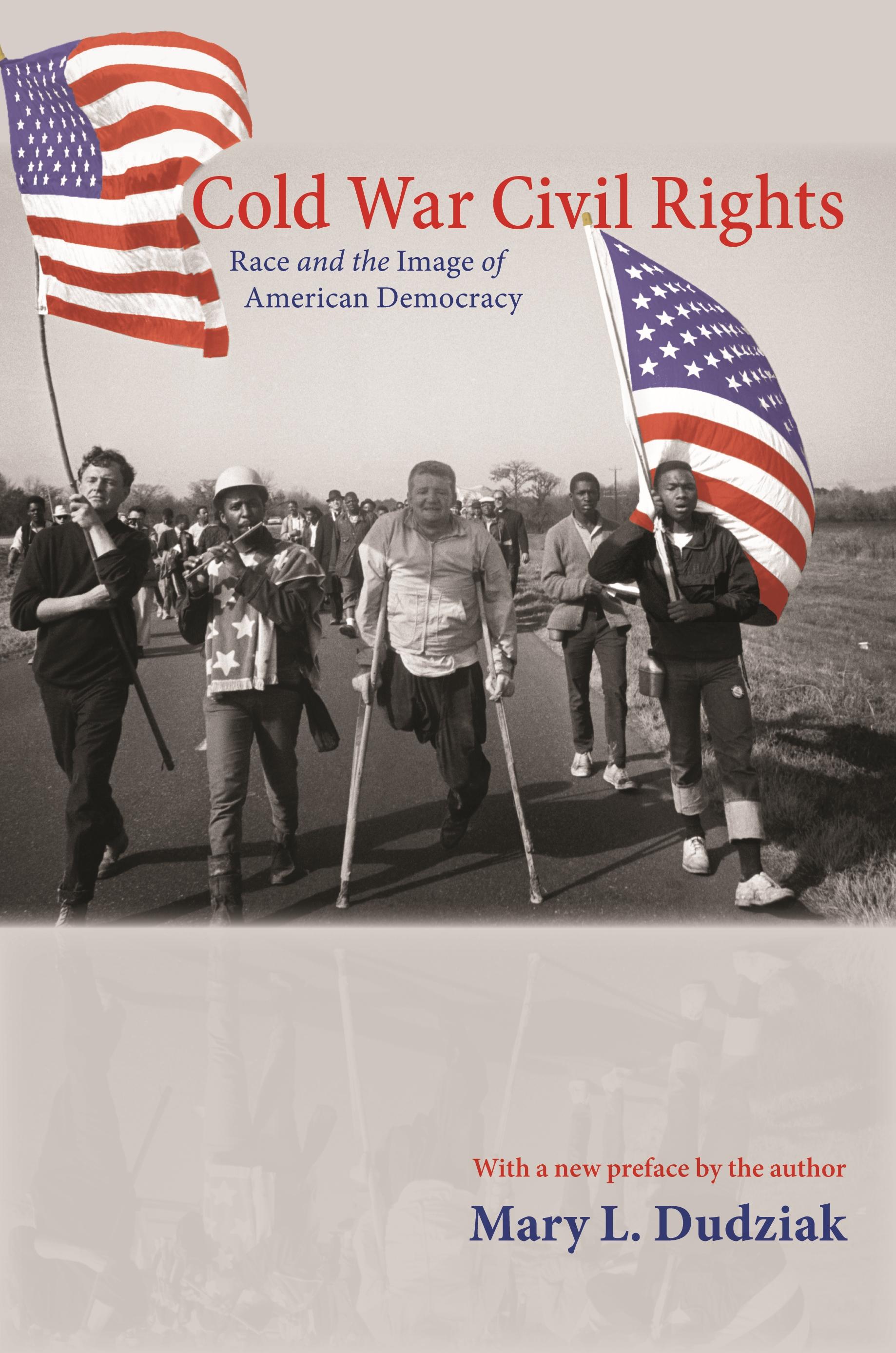
In 1958, an African-American handyman named Jimmy Wilson was sentenced to die in Alabama for stealing two dollars. Shocking as this sentence was, it was overturned only after intense international attention and the interference of an embarrassed John Foster Dulles. Soon after the United States' segregated military defeated a racist regime in World War II, American racism was a major concern of U.S. allies, a chief Soviet propaganda theme, and an obstacle to American Cold War goals throughout Africa, Asia, and Latin America. Each lynching harmed foreign relations, and "the Negro problem" became a central issue in every administration from Truman to Johnson.
In what may be the best analysis of how international relations affected any domestic issue, Mary Dudziak interprets postwar civil rights as a Cold War feature. She argues that the Cold War helped facilitate key social reforms, including desegregation. Civil rights activists gained tremendous advantage as the government sought to polish its international image. But improving the nation's reputation did not always require real change. This focus on image rather than substance--combined with constraints on McCarthy-era political activism and the triumph of law-and-order rhetoric--limited the nature and extent of progress.
Archival information, much of it newly available, supports Dudziak's argument that civil rights was Cold War policy. But the story is also one of people: an African-American veteran of World War II lynched in Georgia; an attorney general flooded by civil rights petitions from abroad; the teenagers who desegregated Little Rock's Central High; African diplomats denied restaurant service; black artists living in Europe and supporting the civil rights movement from overseas; conservative politicians viewing desegregation as a communist plot; and civil rights leaders who saw their struggle eclipsed by Vietnam.
Never before has any scholar so directly connected civil rights and the Cold War. Contributing mightily to our understanding of both, Dudziak advances--in clear and lively prose--a new wave of scholarship that corrects isolationist tendencies in American history by applying an international perspective to domestic affairs.
In her new preface, Dudziak discusses the way the Cold War figures into civil rights history, and details this book's origins, as one question about civil rights could not be answered without broadening her research from domestic to international influences on American history.
Before Memmo my notes were scattered across PDFs. Now a workspace pulls everything into one place — I see exactly what's still left to study.
Memmo's summaries are gold before exams. I don't have to re-read 800 pages two weeks before — just the important parts.
The AI chat has saved me the night before an exam more than once. I just keep asking until I get it — no waiting on a study group to reply.
The quizzes hit exactly what I need to know. Memmo tracks what I get stuck on — so I only practice what's worth it.
Flashcards with spaced repetition are magic. Memmo knows when I'm about to forget something and brings it back.
The AI podcasts are my favorite. I listen on my way to school and get a recap without sitting at a computer.

Handbok i kvalitativa metoder
281 kr

Hållbar utveckling: en introduktion för ingenjörer och andra problemlösare
334 kr

Brymans Samhällsvetenskapliga metoder
390 kr

Projektledning
491 kr

Den orättvisa hälsan: om socioekonomiska skillnader i hälsa och livslängd
326 kr

Organizational Leadership
429 kr

Vetenskapsteori för nybörjare
196 kr

På väg mot läraryrket
172 kr

Det sociala livet i skolan: Socialpsykologiska perspektiv
253 kr

Betygsättningens didaktik
151 kr

Personality
402 kr

Studying Leadership
404 kr

Managing Innovation
477 kr

Introduktion till samhällsvetenskaplig metod
347 kr

The Psychology of Sex and Gender
698 kr

Evidens och kunskap för socialt arbete
207 kr

Introduction to Leadership
605 kr